
Custom packaging development
Custom packaging for your product.
Start with an existing format, adapt it or develop a new mold. We help you work through structure, tooling and samples.
- Begin with the brief
- Product & use
- Geometry & count
- Handling & presentation
- Quantity, timing & market
01 / Your product
What does your packaging need to do?
Tell us what you pack, how many items go inside and how the pack will be used. We can help work through the details you have not settled yet.
What is being packed, where it is handled and what presentation matters.
Product & use
What is being packed, where it is handled and what presentation matters.
Geometry & pack count
Key dimensions, working count and how the contents occupy the pack.
Protection, handling & storage
What the pack needs to tolerate or make easier during use.
Material, identity & presentation
Appearance, label or sleeve needs and material considerations to discuss.
Quantity, timing, market & constraints
Working ranges, target market, timing constraints and non-negotiables.
02 / Development options
An existing format, an adaptation or a new mold.
An existing format may already fit. Where dimensions, handling or presentation call for a change, we can discuss an adaptation or new tooling.
Your next step
Share the closest catalog reference and your product dimensions. We will review the fit and which sample to discuss.
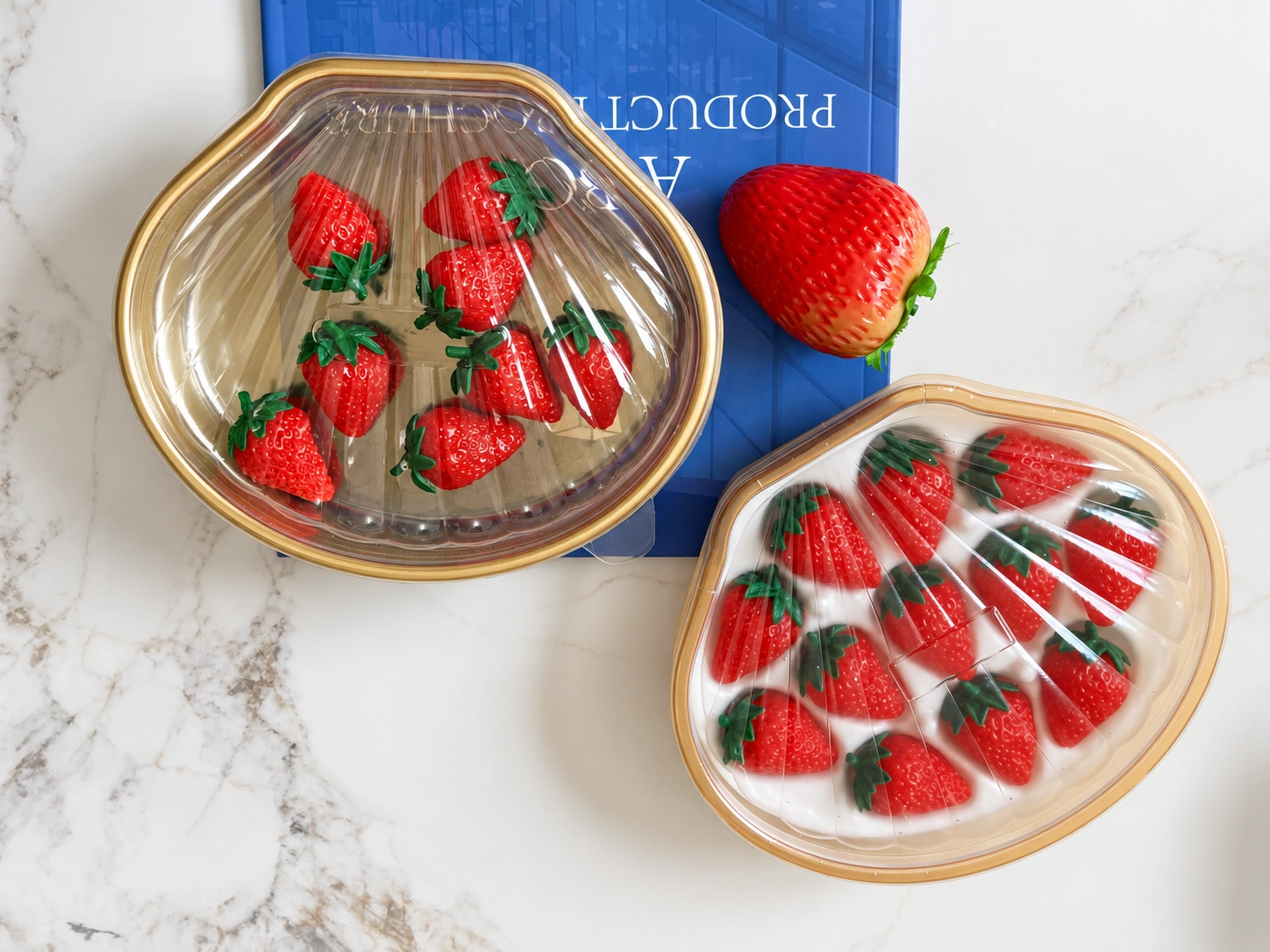
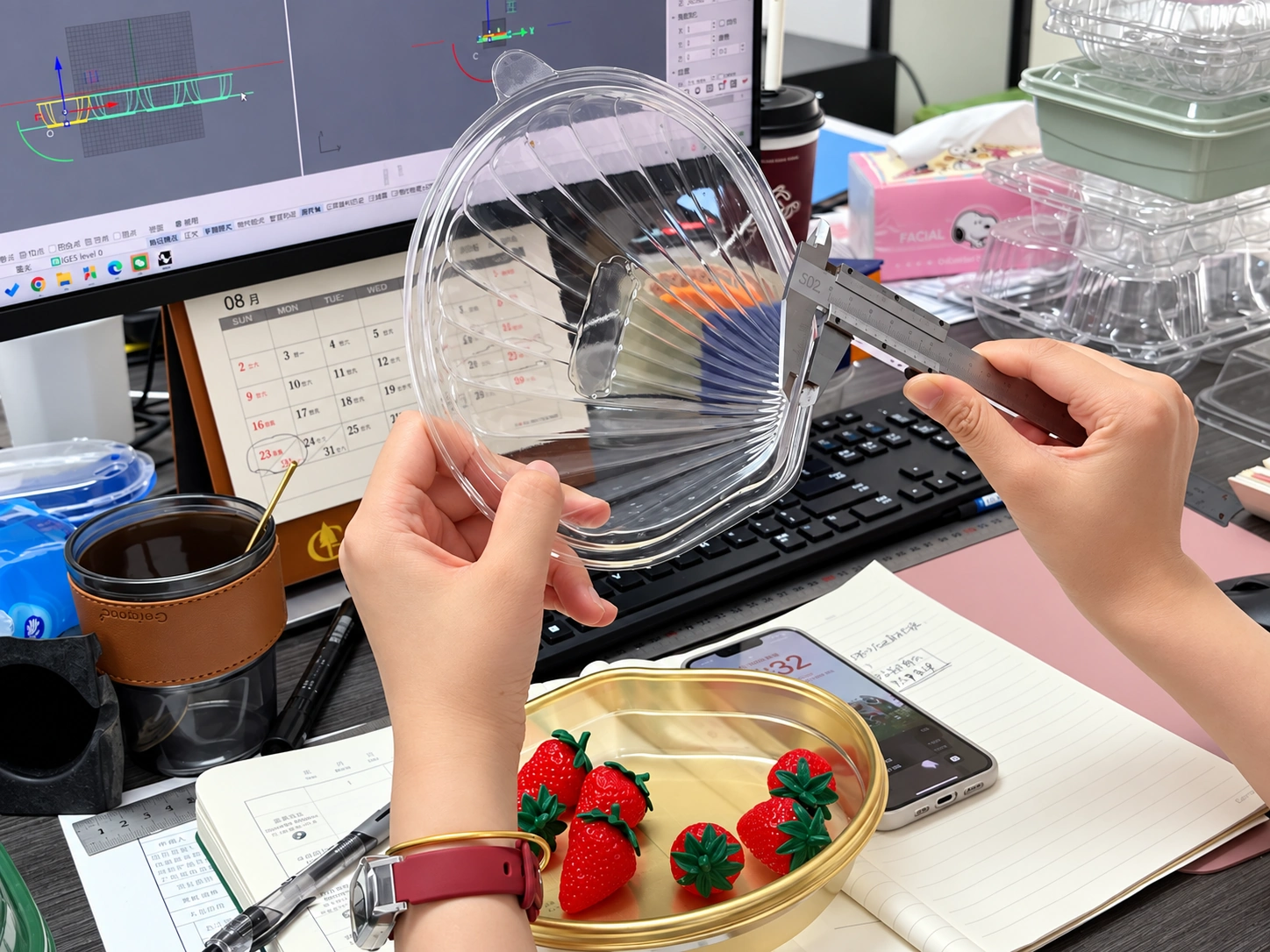
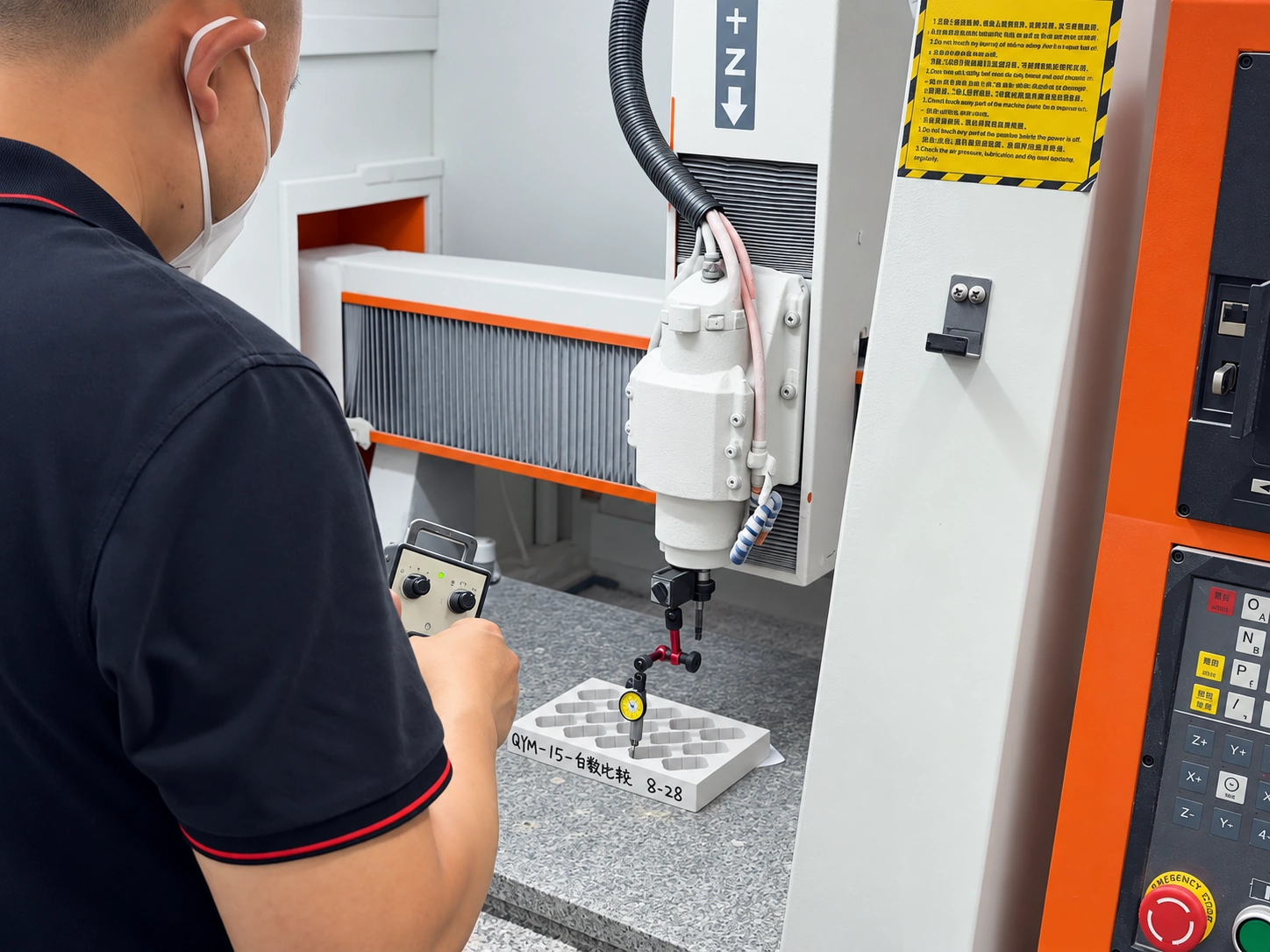
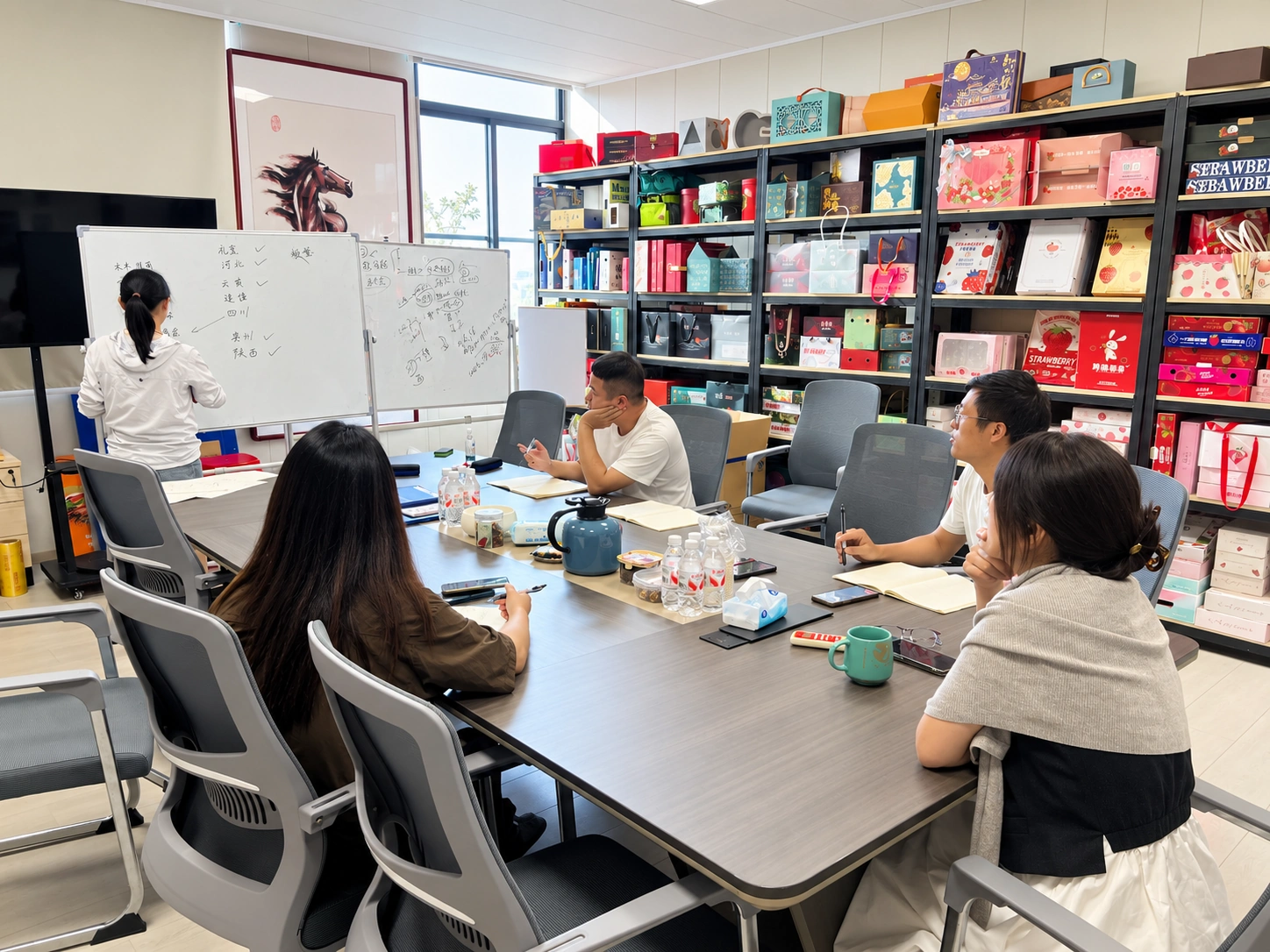
Explore packaging forms, design discussions, tooling work and part inspection. These separate views help frame the review; the tooling and sample steps depend on your project.
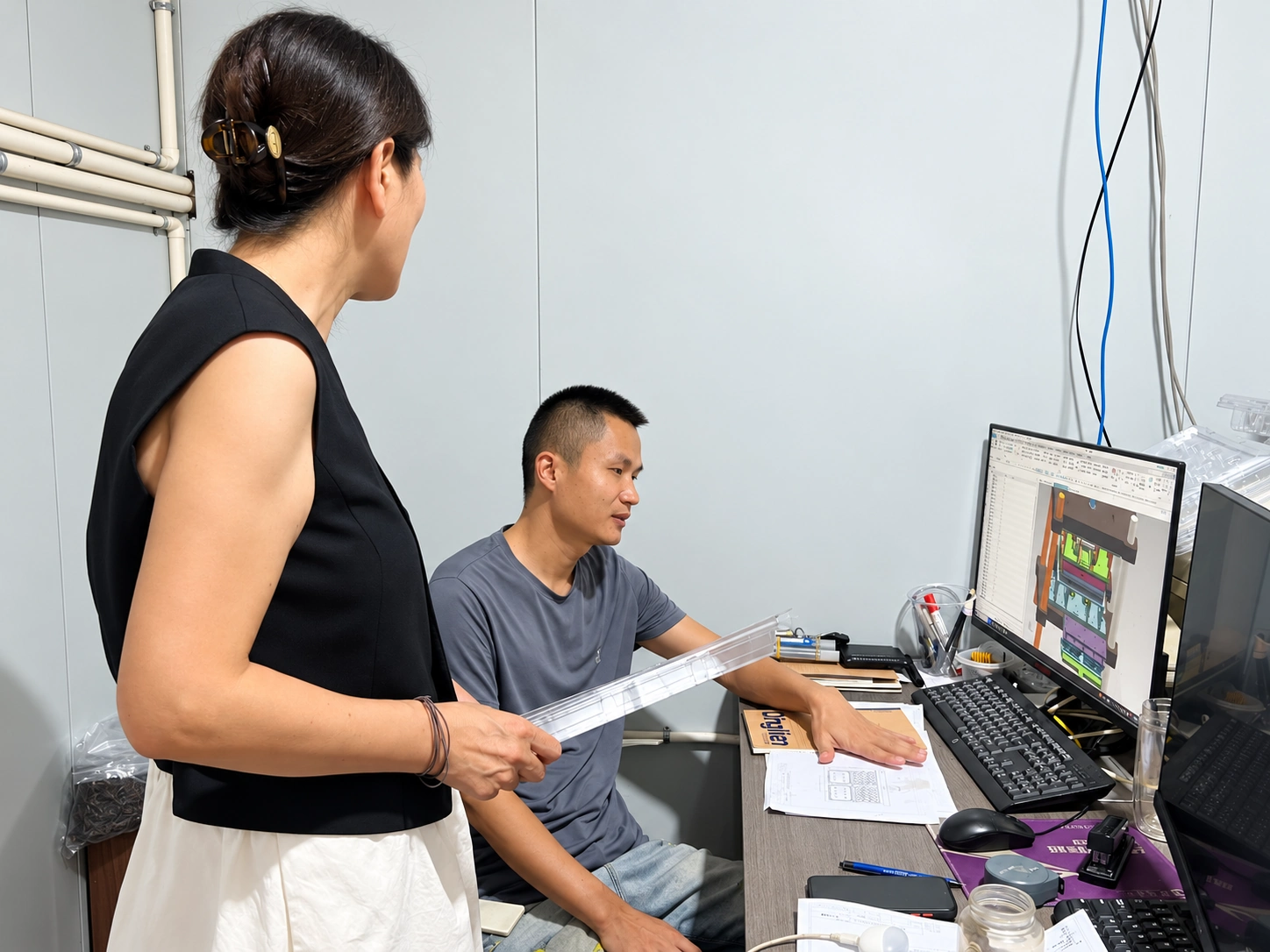
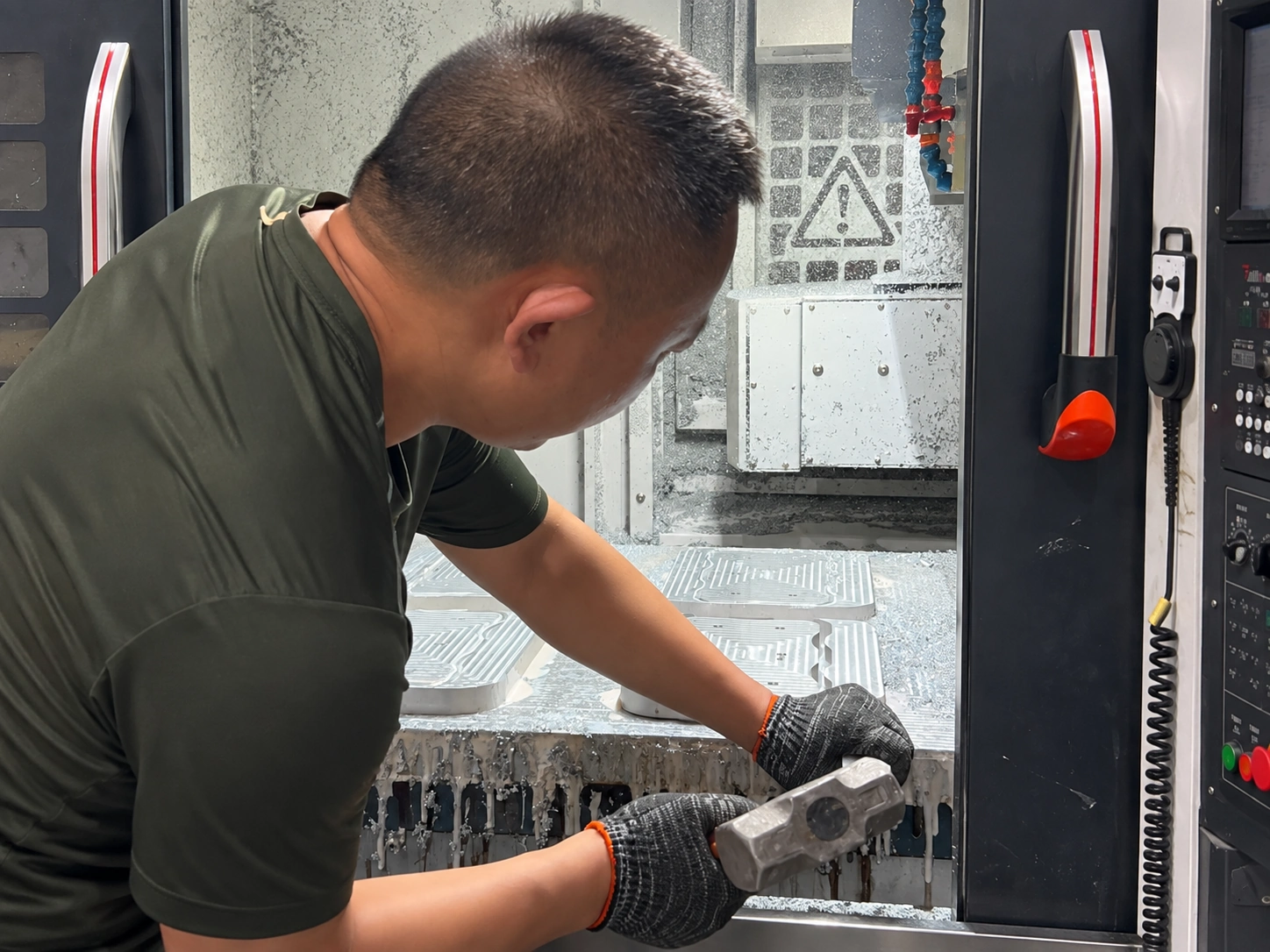
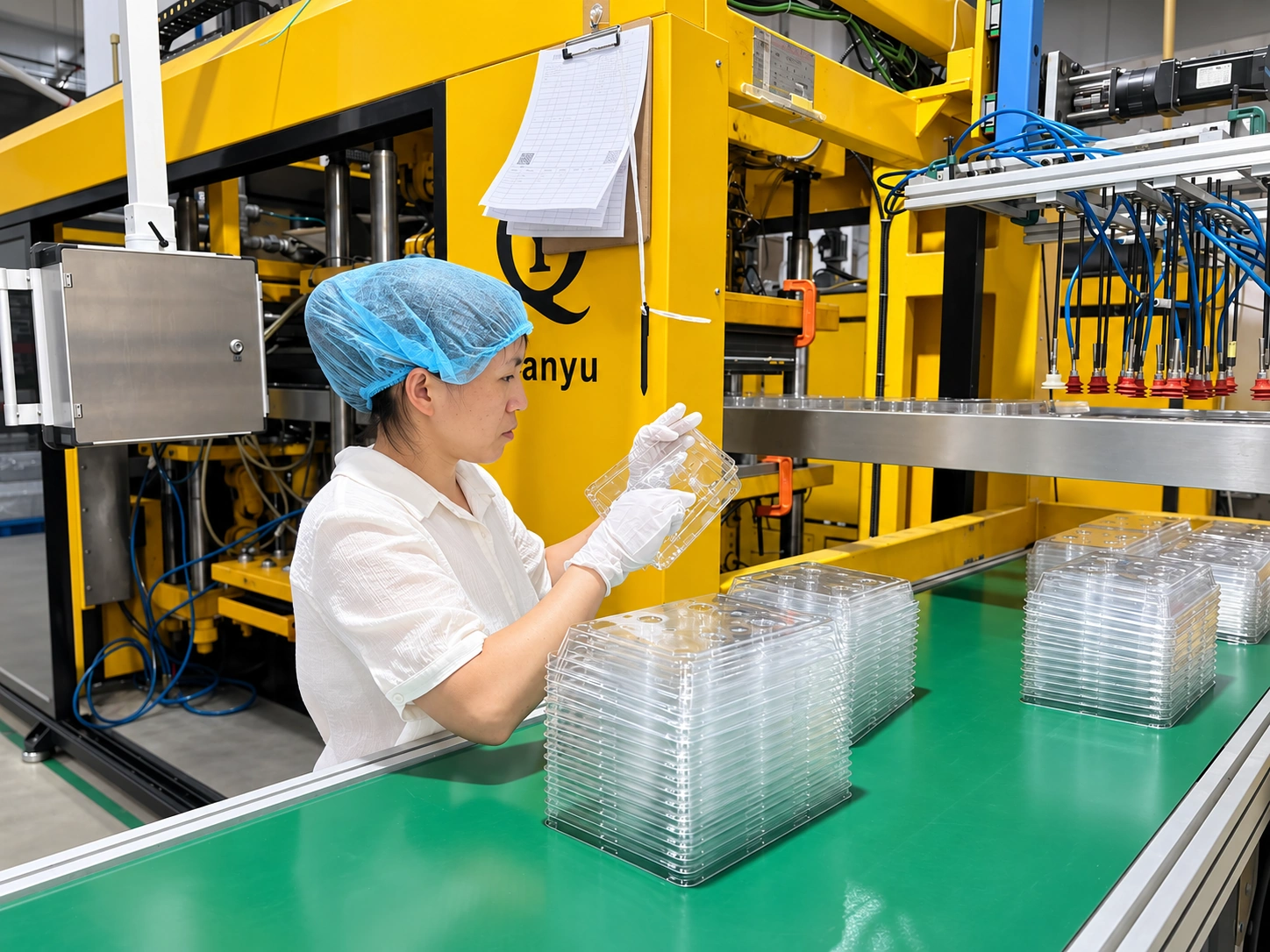
03 / Structural design
See how the structure fits together.
Top, side and exploded views show the footprint, height and how components fit together. Use them to discuss the dimensions and structure for your own product.
04 / Sample review
Try the pack with the product it will hold.
Check product position, closure, handling and presentation with a physical sample. These examples show the questions to review for your own packaging.
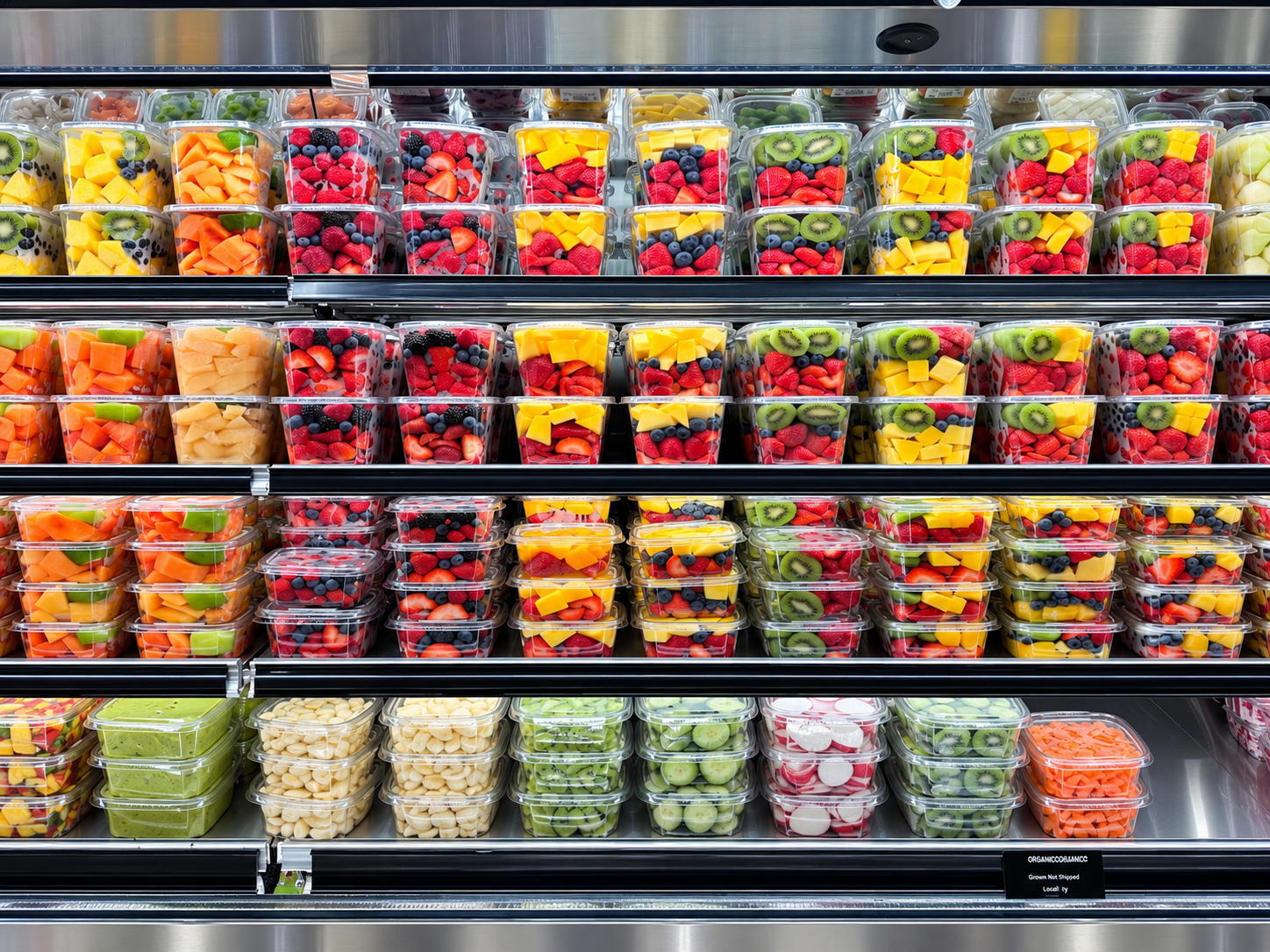
Structure and pack count
Compare how the intended product and working count relate to the proposed structure.
Closure and handling
Review how the closure and handling context affect the working sample.
Identity and presentation
Discuss how identity, label or sleeve needs may affect the structure and presentation.
Finished packs and handling
Consider how the filled packs are grouped, protected and handled for delivery.
Filling the product
Consider access for filling and how the trays work with the packing process.
Choose a topic above to compare what to check with your own sample.
05 / Shapes and presentation
Find the details that matter to your product.
Explore different shapes, finishes and presentation options. Each image is a separate reference for discussing what suits your product.
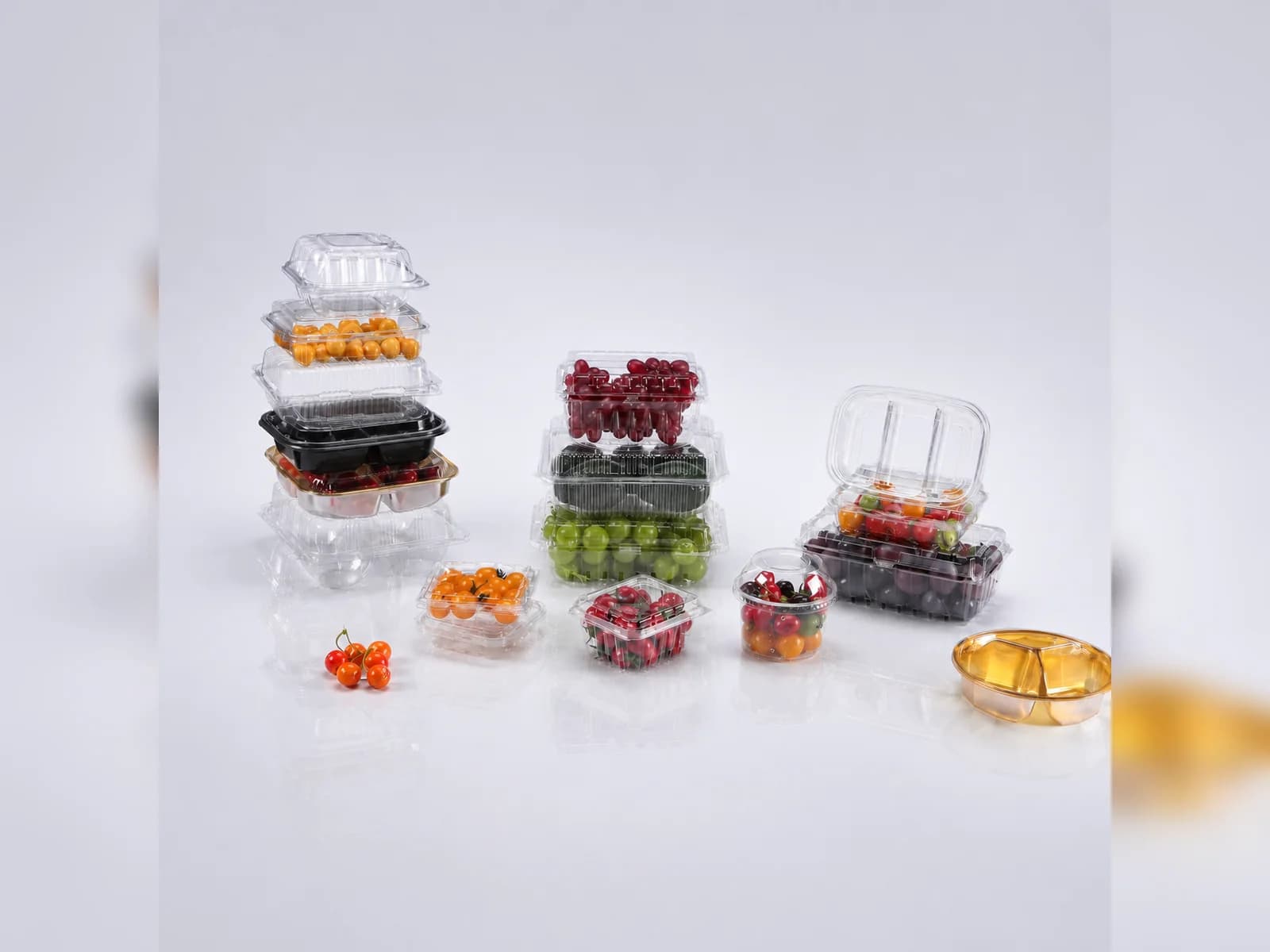
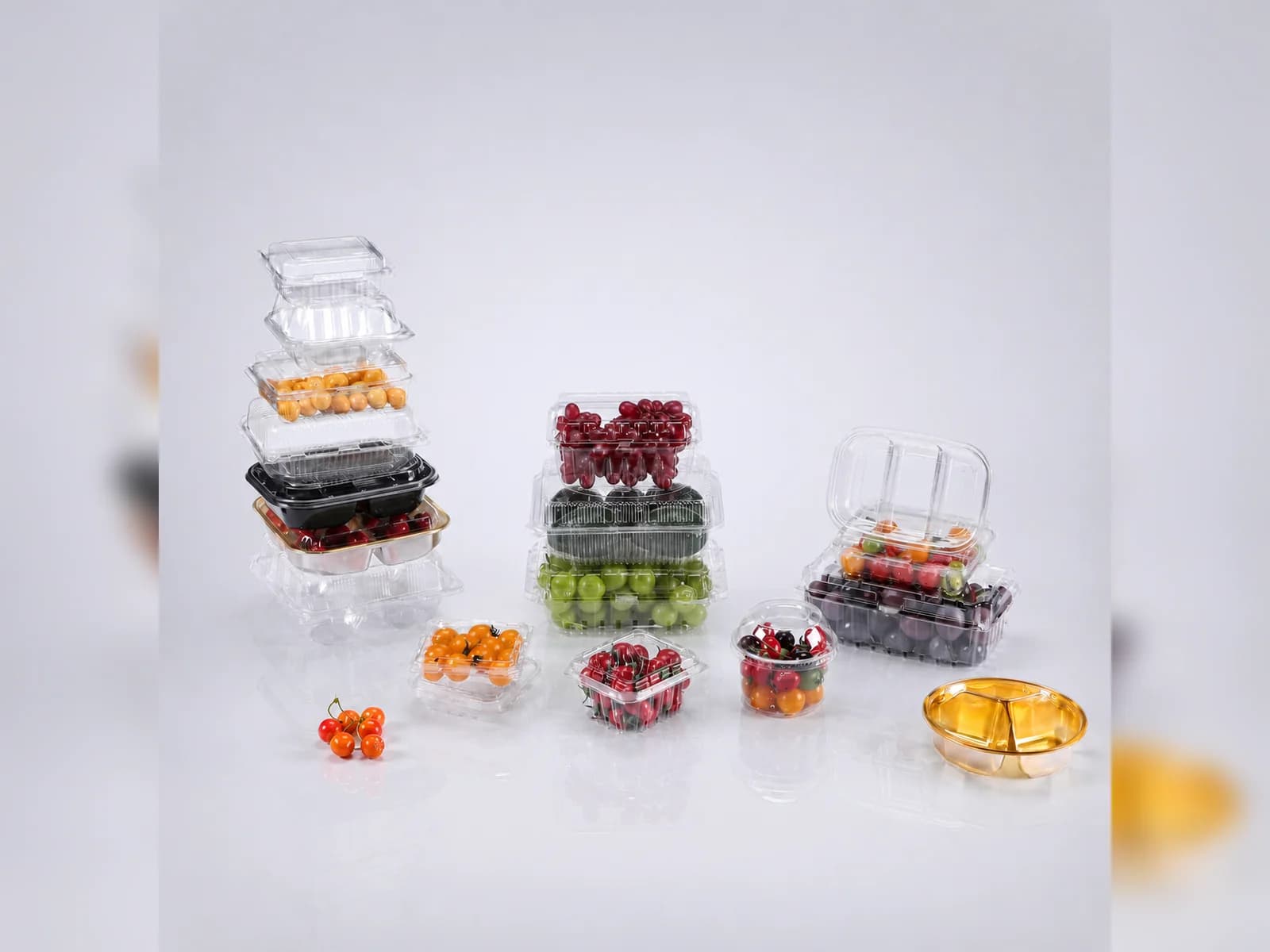
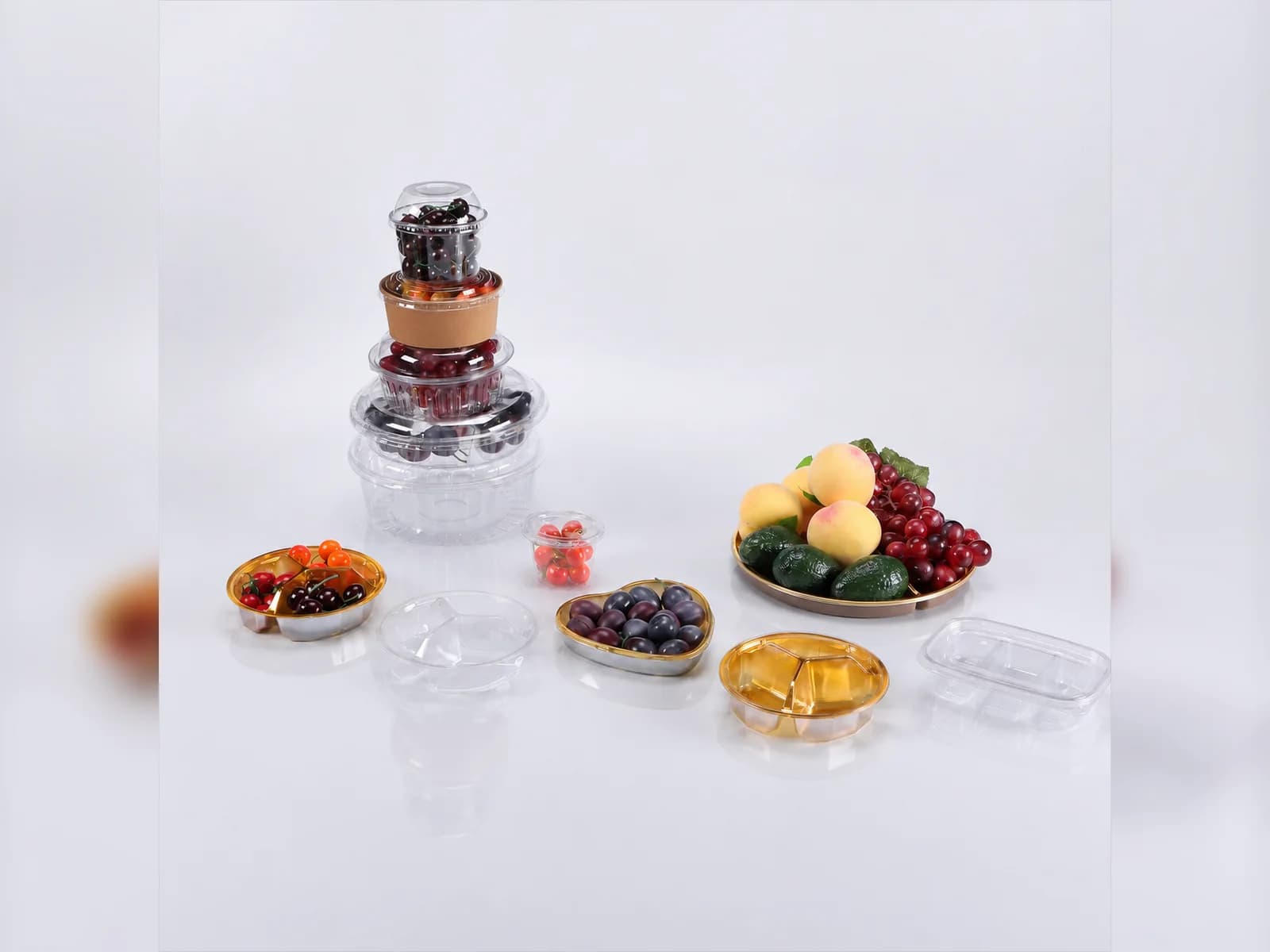
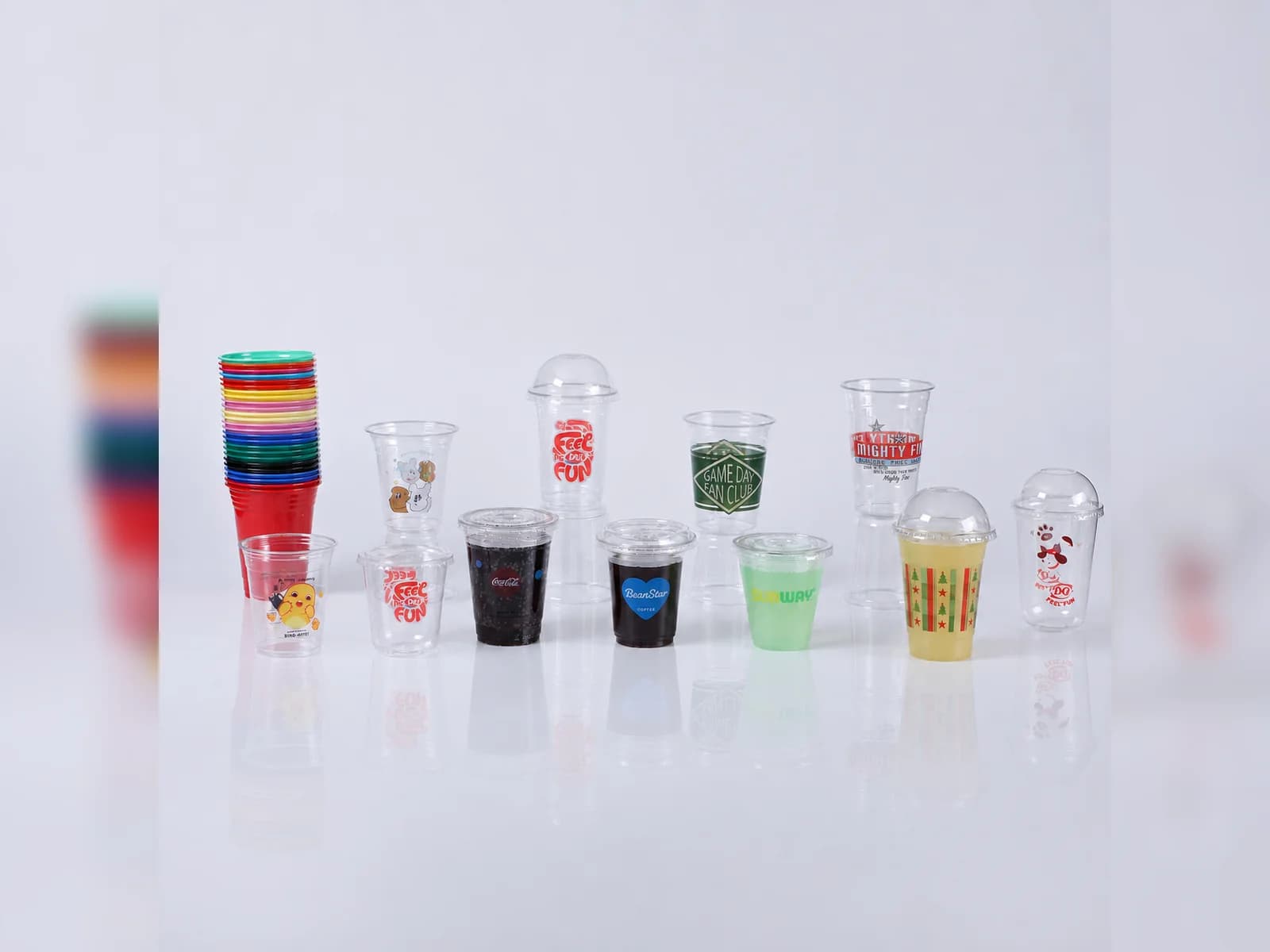

Confirm the dimensions, material and matching components for the format you choose.
06 / Production preparation
Know what will go into production.
Agree on the drawing and sample, then confirm the material, order quantity and schedule before production.
One agreed specification for the pack you order.
Final scope, quantities and timing are confirmed after project review and sample alignment.
- Scope
- Drawing and material
- Quantity
- Confirm for your order
- Schedule
- Confirm for your order
- Sample
- Review and approve
What belongs in the complete pack?
Review the components your order needs alongside the agreed drawing and sample.
- 01
Product
What the pack is built around.
- 02
Primary pack
Main structural contact.
- 03
Support / insert
Internal support where required.
- 04
Identity / label / sleeve
Presentation elements to coordinate.
- 05
Presentation carton
Secondary presentation context.
- 06
Shipper
Outer transport context.
Bring your product, retail presentation and shipping requirements into the same conversation.