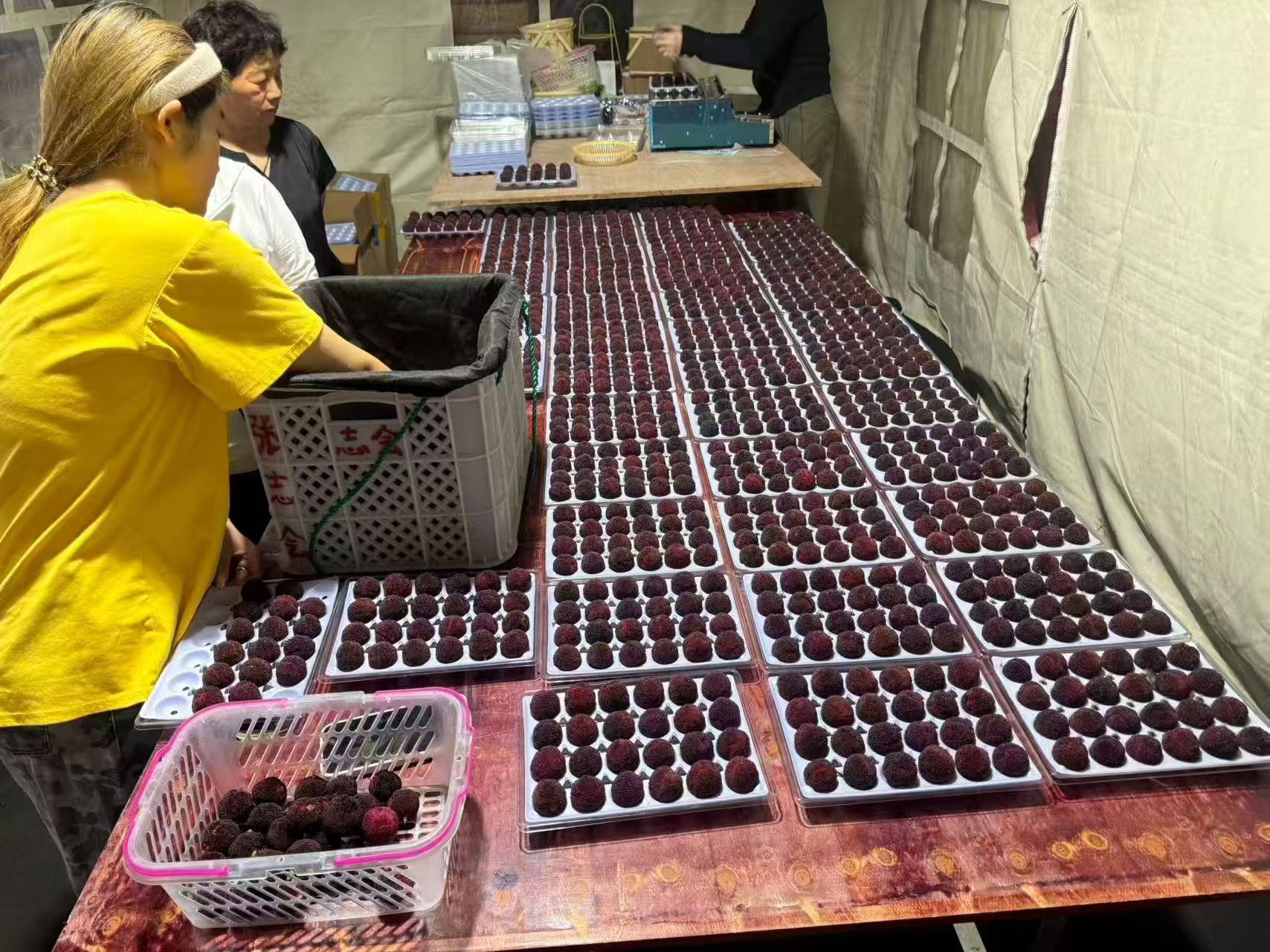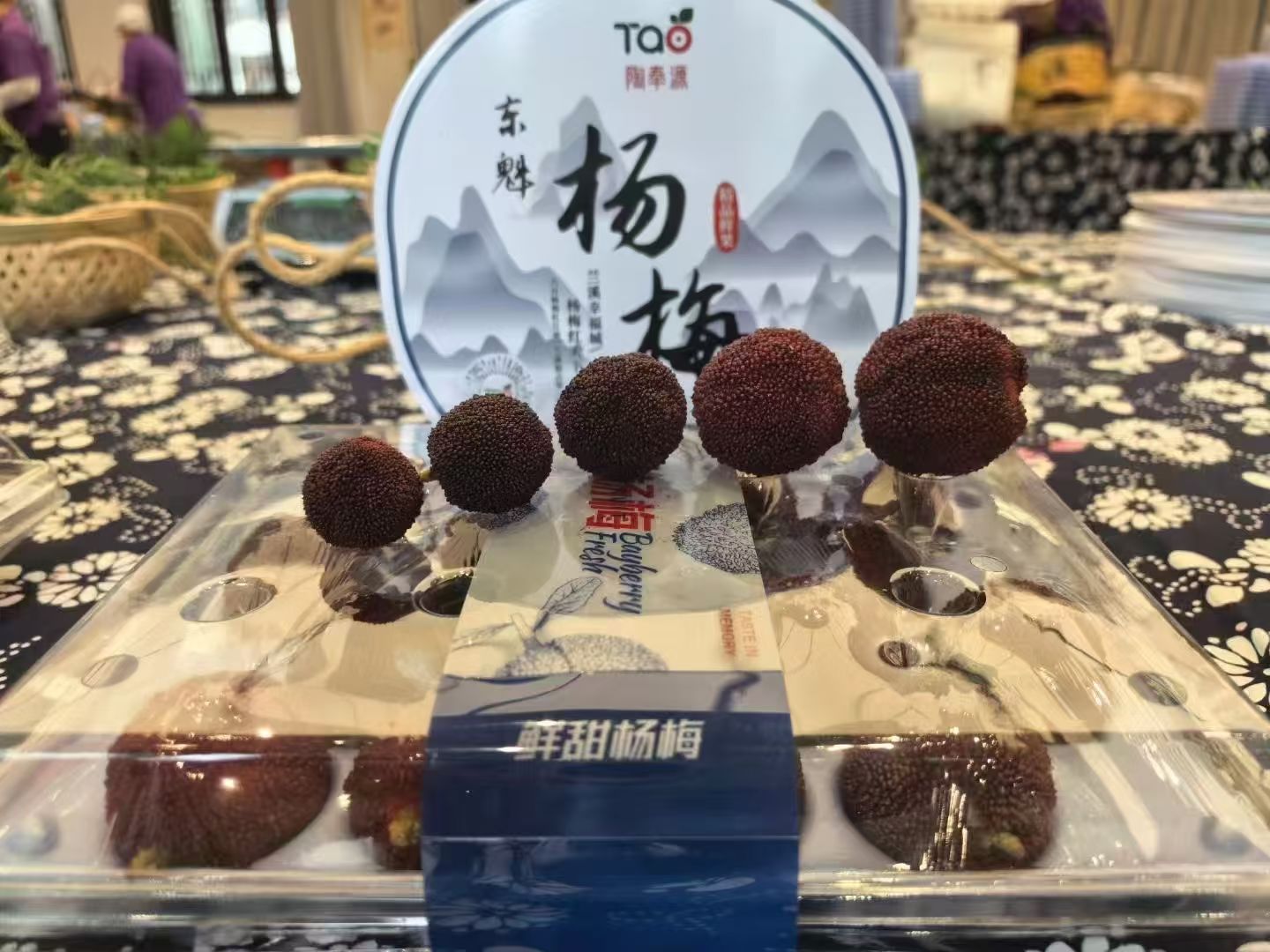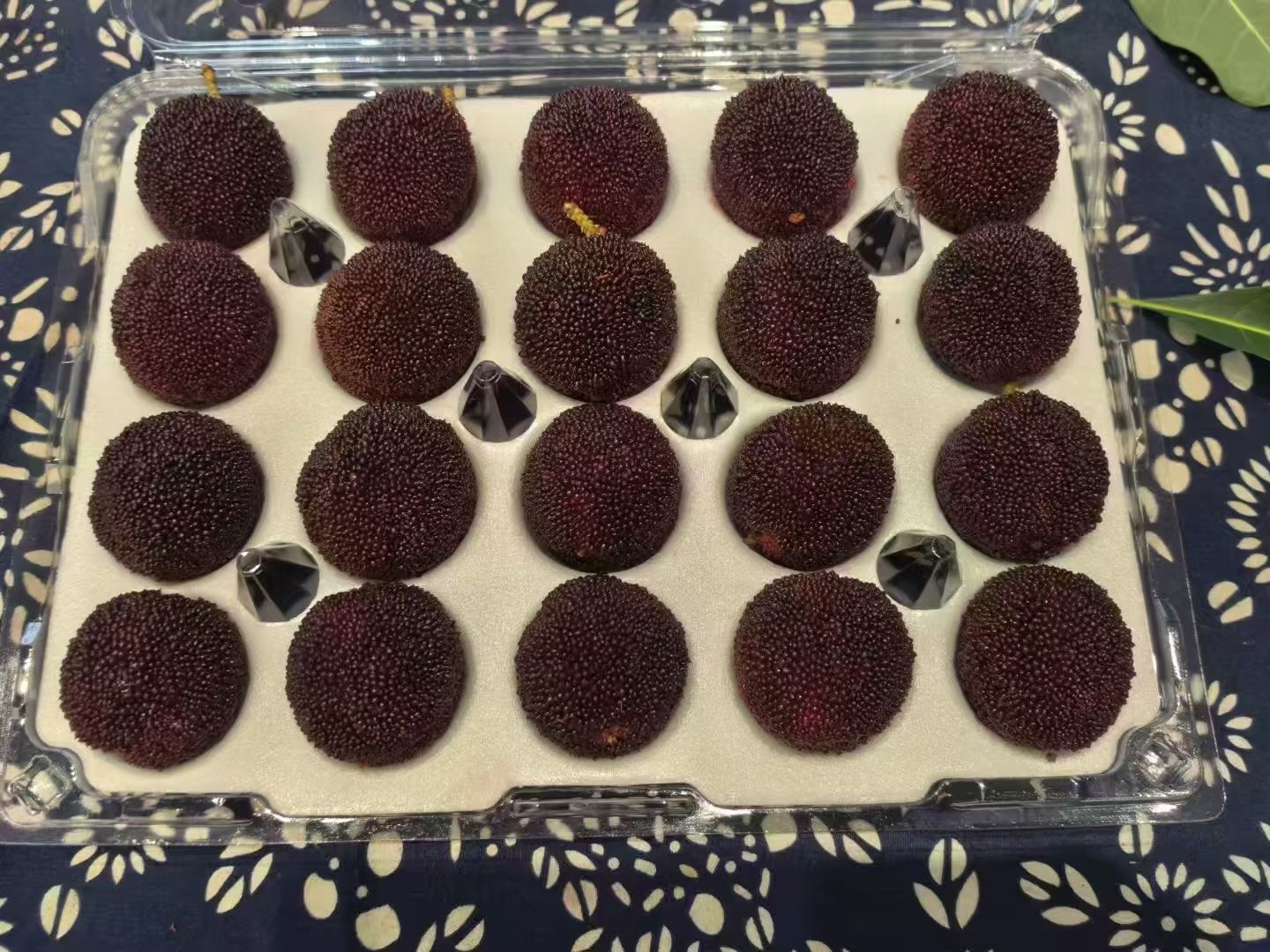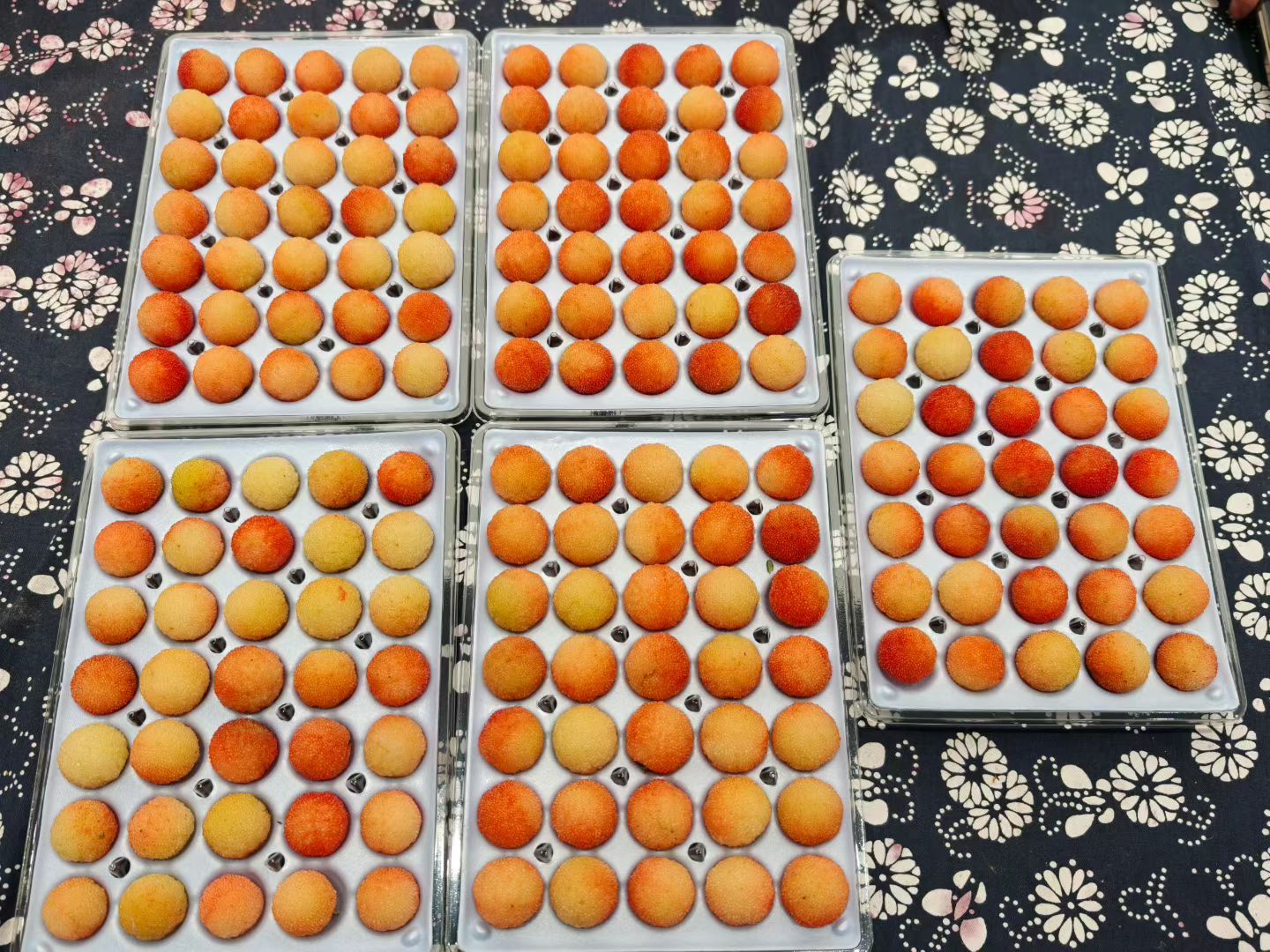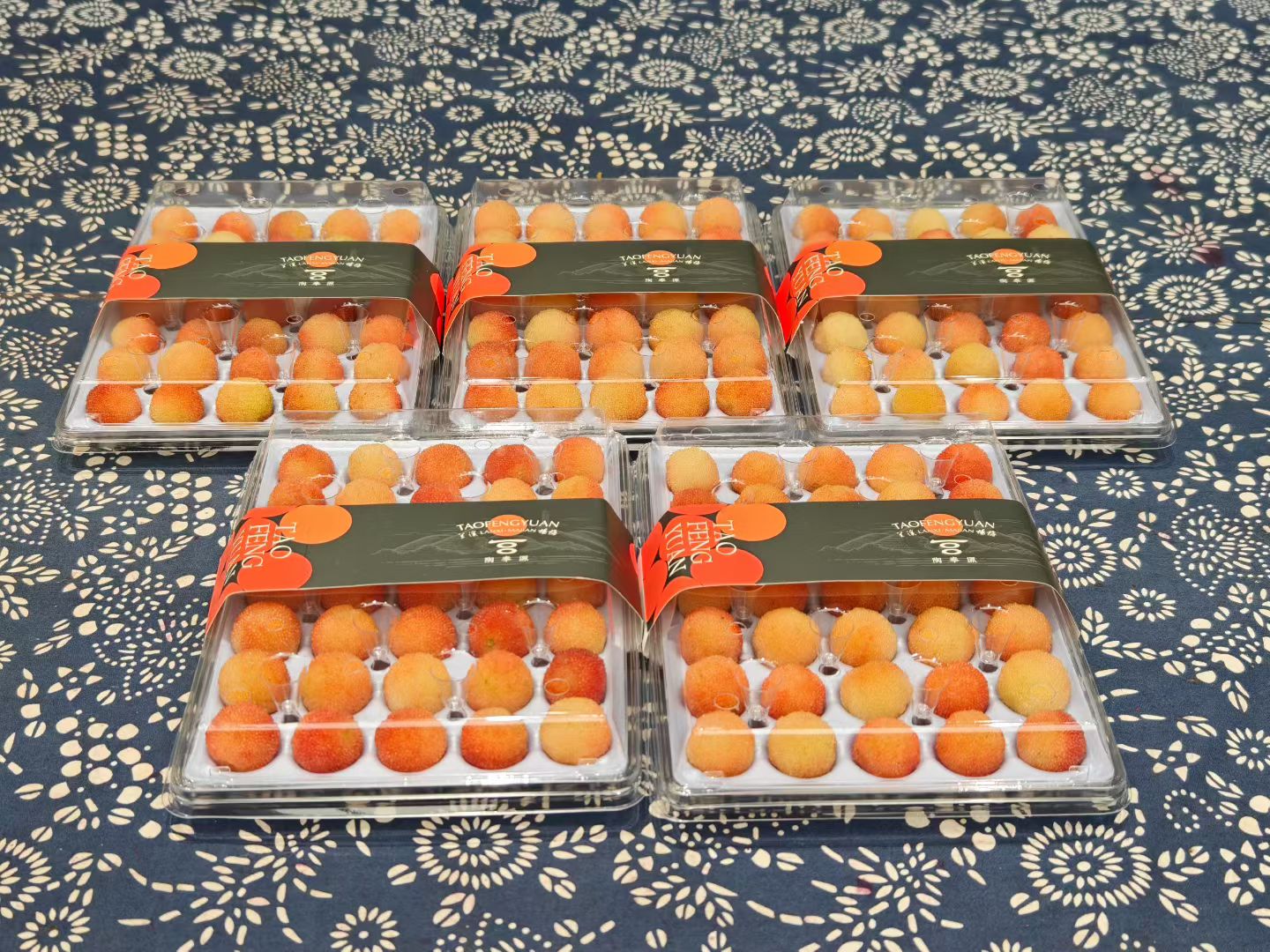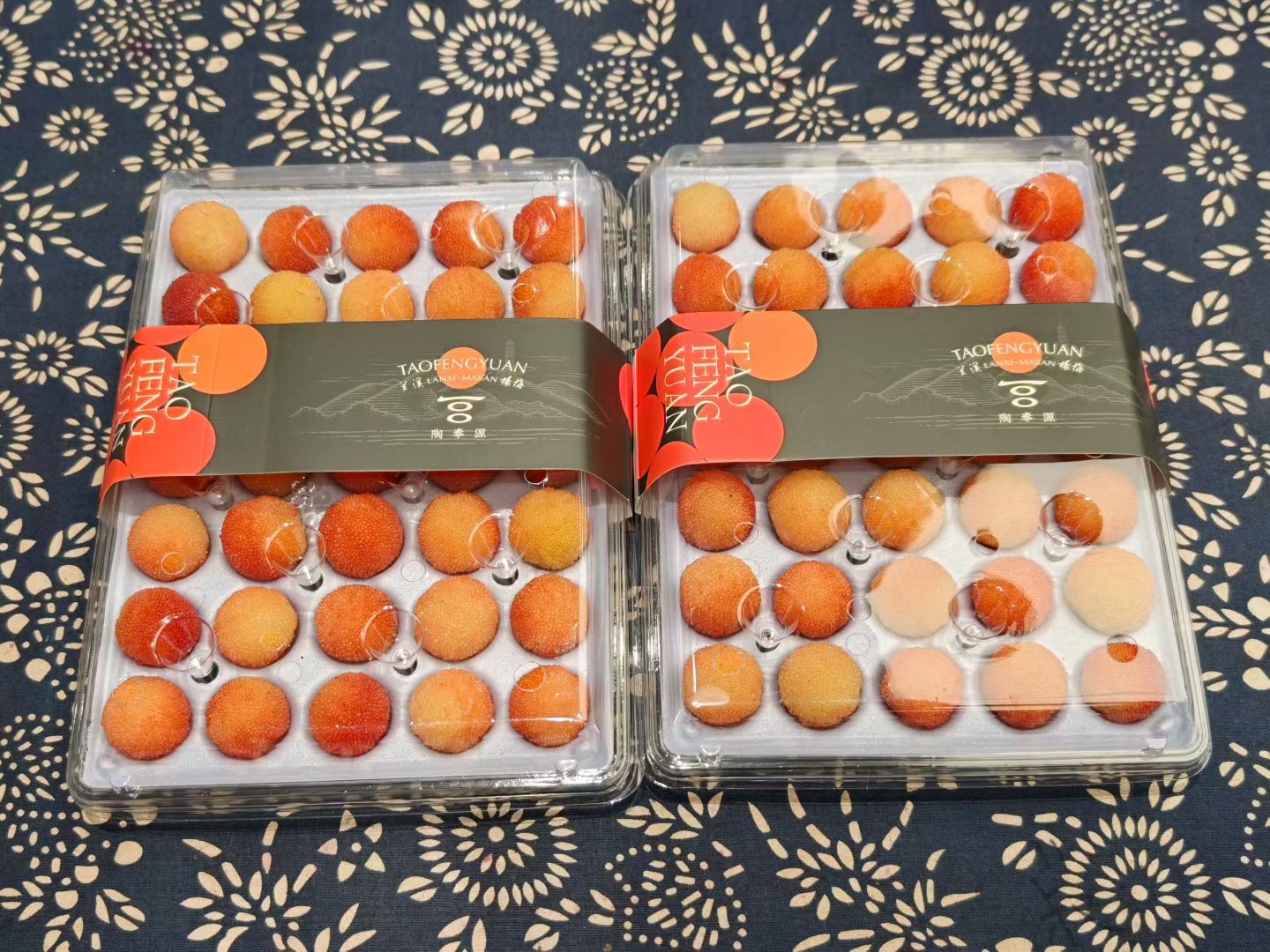
Fruit clamshell containers

Fruit clamshell containers.

Start with the fruit, then check the space to fill, close and handle a hinged pack.

SEARCH THE PRODUCT DIRECTORY

Browse packaging references.

These photos cover several produce and food packaging formats. Copy a reference and its photo link to discuss the exact structure, dimensions and fit for your fruit.

217PRODUCT PHOTOS

Showing 12 of 117 references · 217 photos

06 · photo 1 of 3

06Fruit clamshell containers

1 Pint · photo 1 of 1

1 PintFruit clamshell containers

120125-36 · photo 1 of 1

120125-36Fruit clamshell containers

120125-369 · photo 1 of 1

120125-369Fruit clamshell containers

122125-36 · photo 1 of 2

122125-36Fruit clamshell containers

122125-360 · photo 1 of 1

122125-360Fruit clamshell containers

240125-36 · photo 1 of 1

240125-36Fruit clamshell containers

752C · photo 1 of 1

752CFruit clamshell containers

6-compartment tray (no model number listed) · photo 1 of 1

6-compartment tray (no model number listed)Fruit clamshell containers

GK117-16C+GK117-LA · photo 1 of 1

GK117-16C+GK117-LAFruit clamshell containers

GK117-16C+GK117-LD-M · photo 1 of 1

GK117-16C+GK117-LD-MFruit clamshell containers

GK117-16C+GK117-LD · photo 1 of 1

GK117-16C+GK117-LDFruit clamshell containers

Found a reference that could suit your product?

Overview

Six questions before choosing a pack.

Open a question for a practical check with your fruit and sample.

Will the usual fruit sizes fit?

Try the smallest and largest fruit normally packed, and check the space around each one.

What count or weight goes in each pack?

Fill the sample to the intended count or weight before checking its fit and closure.

Where does the fruit meet the base?

Inspect the bottom and wall contact, and note any movement or visible pressure points.

Are the needed openings clear?

Check openings with the fruit, inserts and labels in their intended positions.

Can the filled lid close freely?

Close each closure point without pushing the fruit into position, then check the space above it.

How does the pack sit in the carton?

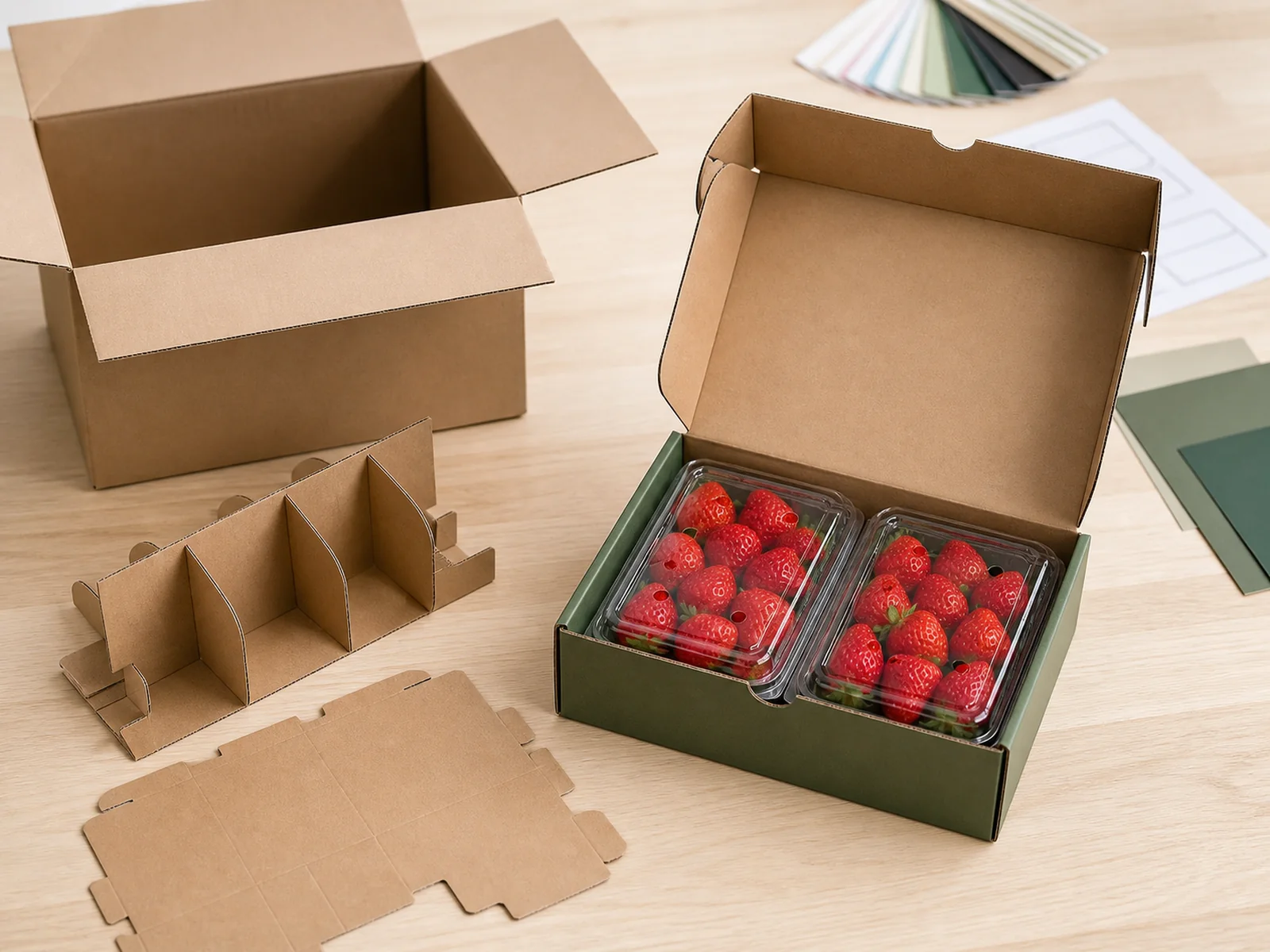
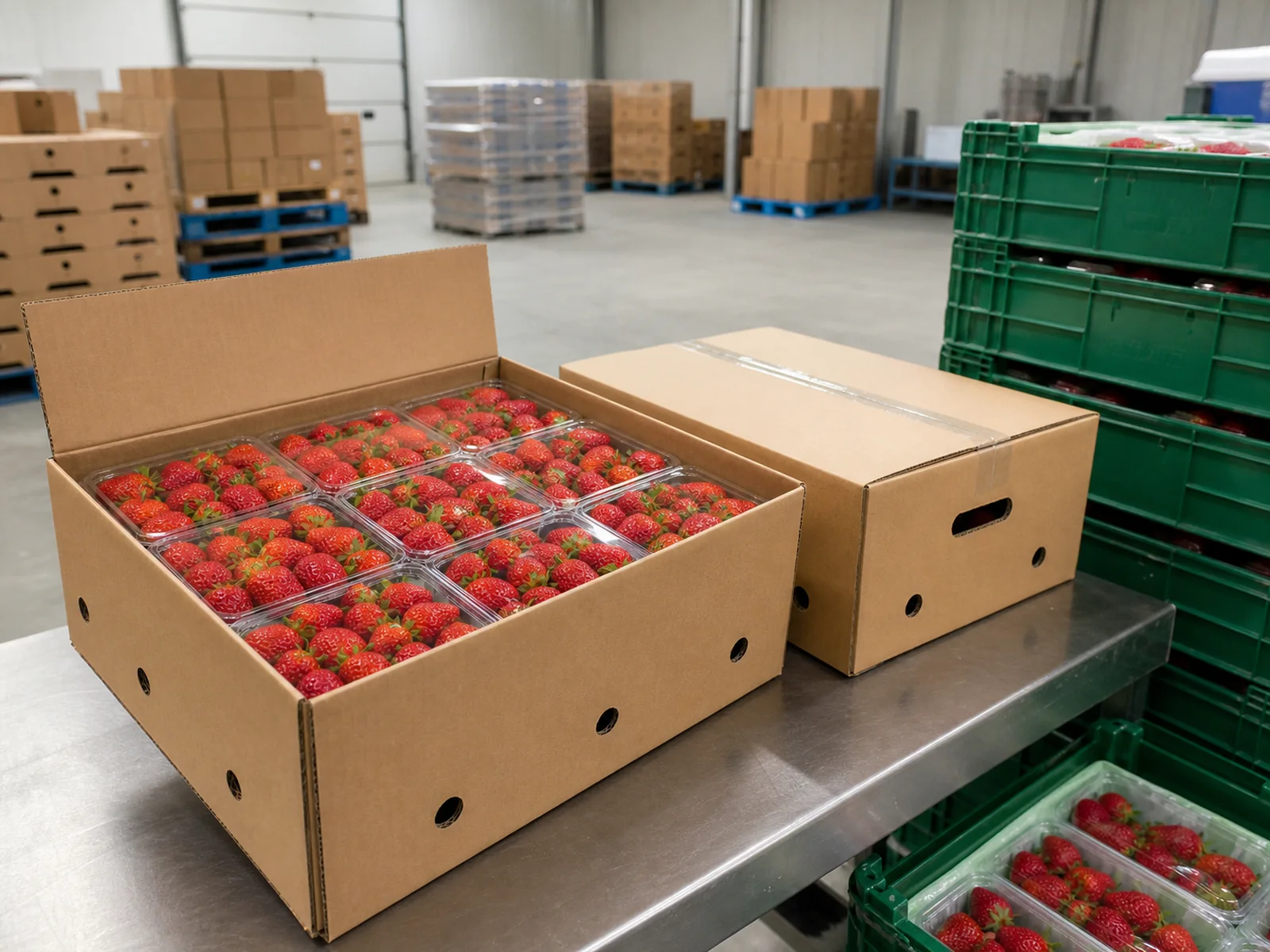
Use the intended count and orientation in the actual carton, and observe where packs and carton walls meet.

Discuss your project details

Project view

The lid, hinge and base work together.

Choose a part to see what to check with your loaded sample.

Illustrative open clamshell. Match each part to your actual sample; dimensions and fit depend on the reference.

Is there room to close around the fruit?

  • Check clearance above the loaded fruit.
  • Try each closure point and note where closing or opening is difficult.

Does the lid stay clear while you fill?

  • Open the sample through the movement used at your packing station.
  • Watch the connection as you place and remove the fruit.

Where does the fruit rest and make contact?

  • Inspect the bottom and wall contact with the loaded fruit.
  • Note any movement or visible pressure points.

Overview

Review filling, closing and stacking.

Try the normal packing actions with a sample. Look for pressure on the fruit, difficult closure or unstable stacking.

Choose a packing action

Can you fill the pack without moving the lid out of the way?

  • Open the sample in the position used at your packing station.
  • Fill it with the intended fruit count or weight, including the usual size variation.
  • Watch the hinge, rim and fruit contact as you place and remove the fruit.

What happens as the lid meets the loaded base?

  • Check the space above the fruit before bringing the lid down.
  • Close each closure point without pushing the fruit into place.
  • Reopen the pack and compare the fruit and closure with their condition before closing.

Where do neighbouring packs and the carton make contact?

  • Load complete, closed packs in the actual carton using the intended count and orientation.
  • Observe the contact at rims, lids and carton walls during the handling you need to review.
  • Unload the carton and inspect pack movement, closure position and visible fruit marks.

These are inspection examples. Results depend on the actual fruit, pack and handling conditions.

Next step

Decide what needs to change.

An existing format may be suitable. Changes to cavity geometry, vents or closure need their own development review.

Choose a detail to compare
Starting profile
Change to discuss

More room above the fruit changes the closed profile.

The highlighted lid is raised while the base outline stays fixed in this example.

  • Recheck fruit clearance and the closure connection.
  • Measure the complete closed pack again and review the carton arrangement.
Starting profile
Change to discuss

An opening has a position as well as a size.

The highlighted openings move along the lid in this example; the outer profile stays fixed.

  • Review openings alongside fruit contact, labels and neighbouring packs.
  • Discuss the intended cooling and handling conditions before choosing a vent layout.
Starting profile
Change to discuss

A change at the edge affects how lid and base meet.

The highlighted closure projects farther from the same base in this example.

  • Try opening and closing with a loaded sample.
  • Recheck the mating edges, handling access and the overall pack width.

Conceptual profiles show one change at a time. They are not product drawings or dimensions; review the actual reference and a sample before agreeing a change.

Project inputs

Talk through your clamshell pack.

Start with the fruit, the current pack and the question you need answered.

Tell us what fruit you pack and what you want to check. Include a reference or a photo of your current pack if you have one.

When you are ready to review a sample

Keep the sample reference, fruit used, observations and agreed changes together. The sample checklist helps you prepare that record.

Open the sample checklist

Overview

Questions before ordering.

Confirm fruit variation, filled weight or count, closure, label placement and carton arrangement.

Clamshell or tray with a separate lid?

Compare the filling method, opening, display, transport and pack-layer responsibilities.

What must be confirmed for a strawberry project?

Bring representative fruit dimensions, intended fill, current pack, carton and the specific issue to review.

What must be confirmed for a blueberry project?

Bring product variation, movement/leakage observations, ventilation context and filling method without assuming one structure fits every project.

Can different fruits share one structure?

Compare real dimensions, fill, support/contact, route and presentation; a shared reference still requires separate validation.

Repeat-close, tamper evidence or a seal path?

Define who opens the pack, how closure is inspected and which evidence is required.

How does target fill affect structure?

State weight/count and variation so cavity, closed height, movement and carton consequences can be reviewed.

How should vent position be reviewed?

Tie openings to the product, cooling/moisture context, label zone and the intended record; do not use a universal percentage.

How should filled-pack stacking be checked?

Identify the filled condition, contact points, stack/carton arrangement, method and limitation.

Where can a label go?

Begin with required information and application method, then check visibility, vents, closure and carton contact.

Project view

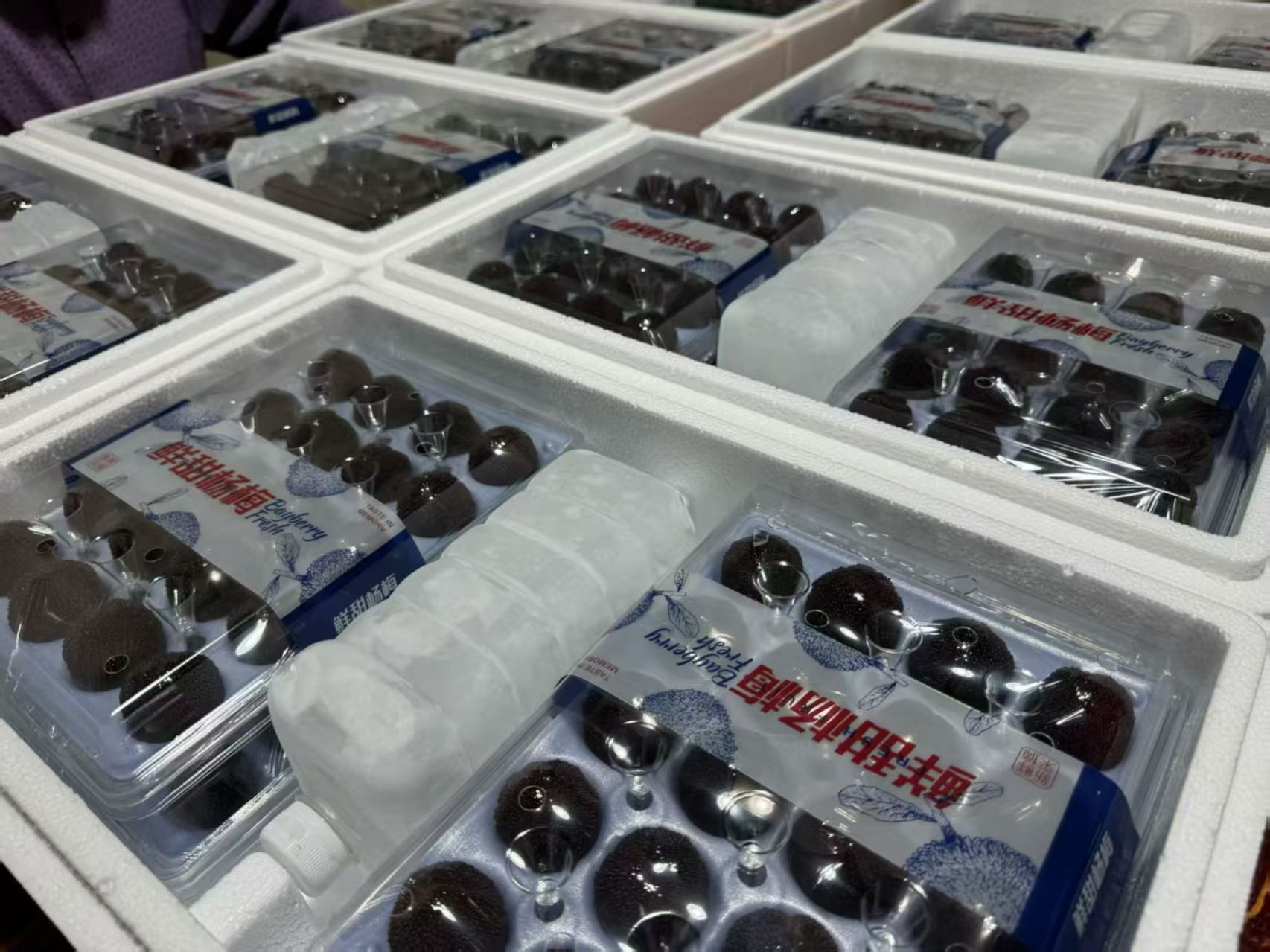
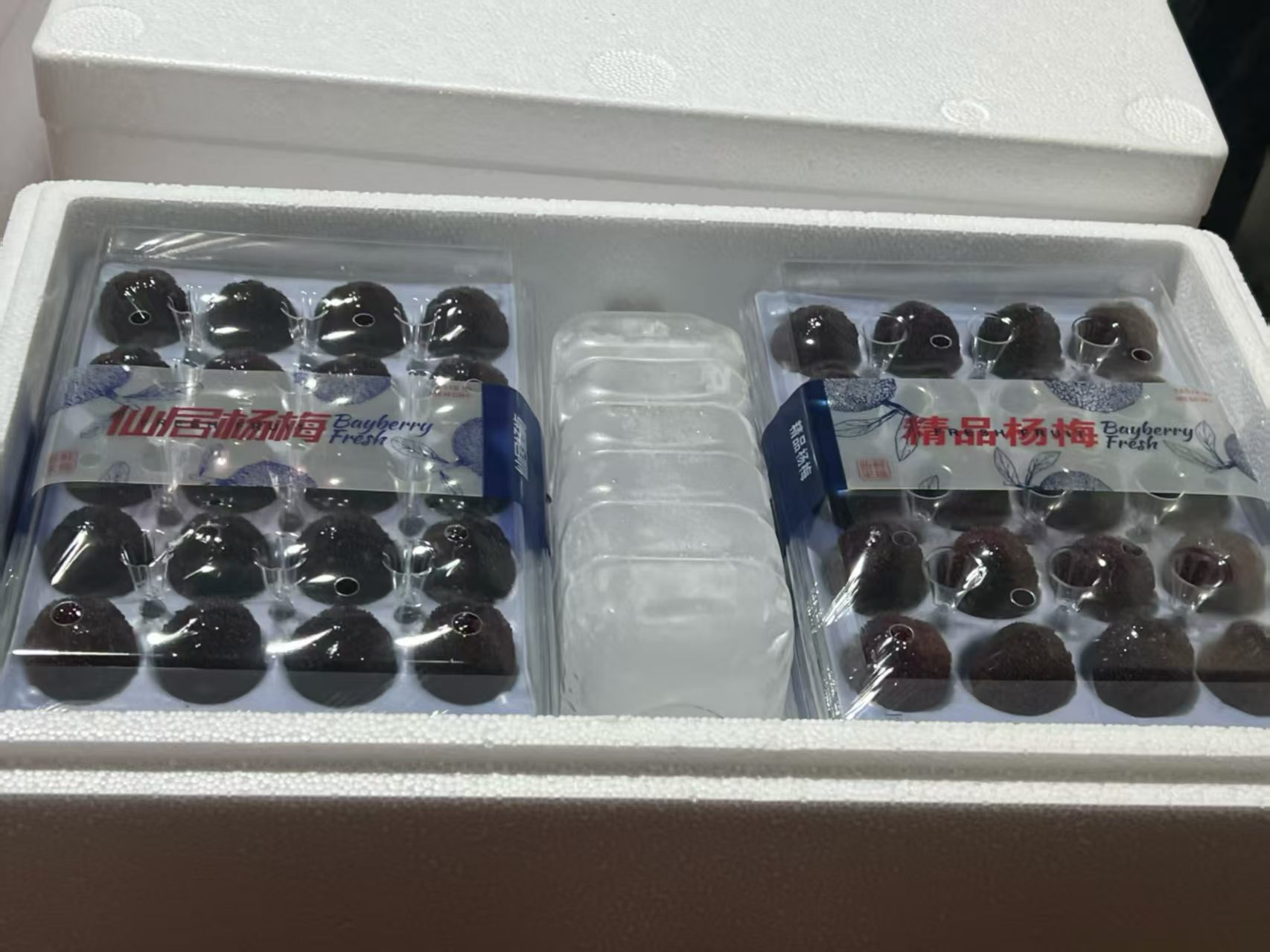
See the pack with produce.

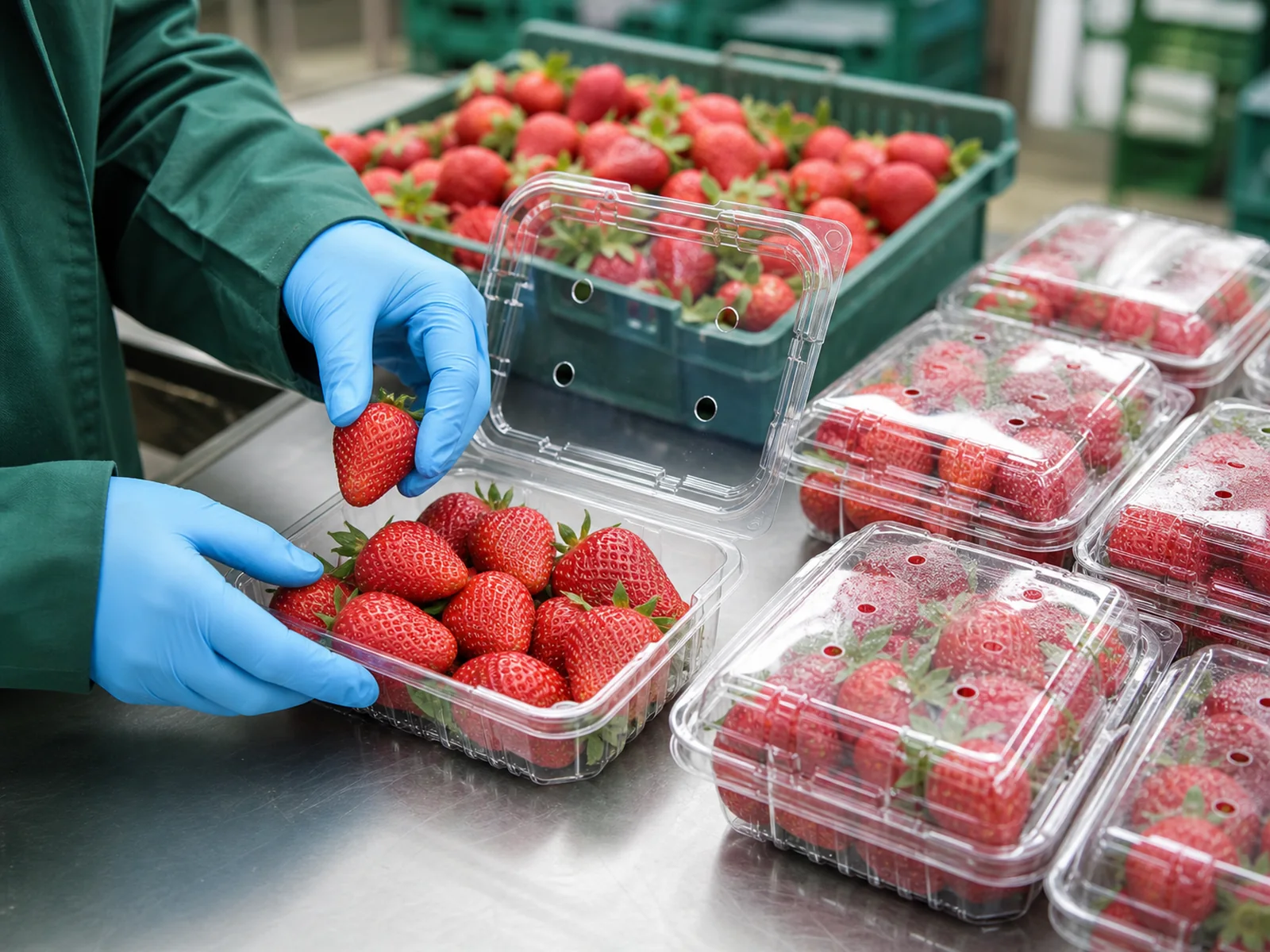
Use the examples to discuss product position, access for filling and the finished presentation.

Let’s discuss what you need to pack.

Start with a photo, an existing pack or a question. You do not need a complete specification to begin.

Start a packaging brief
A BOXPackaging assistant · AI

What are you packaging?

Tell us what you need, or ask about materials, samples and customization.

This assistant uses AI. Our team confirms prices, minimum quantities and timing. We keep this conversation to help with your inquiry. Contact details you share are saved for our team to follow up.