
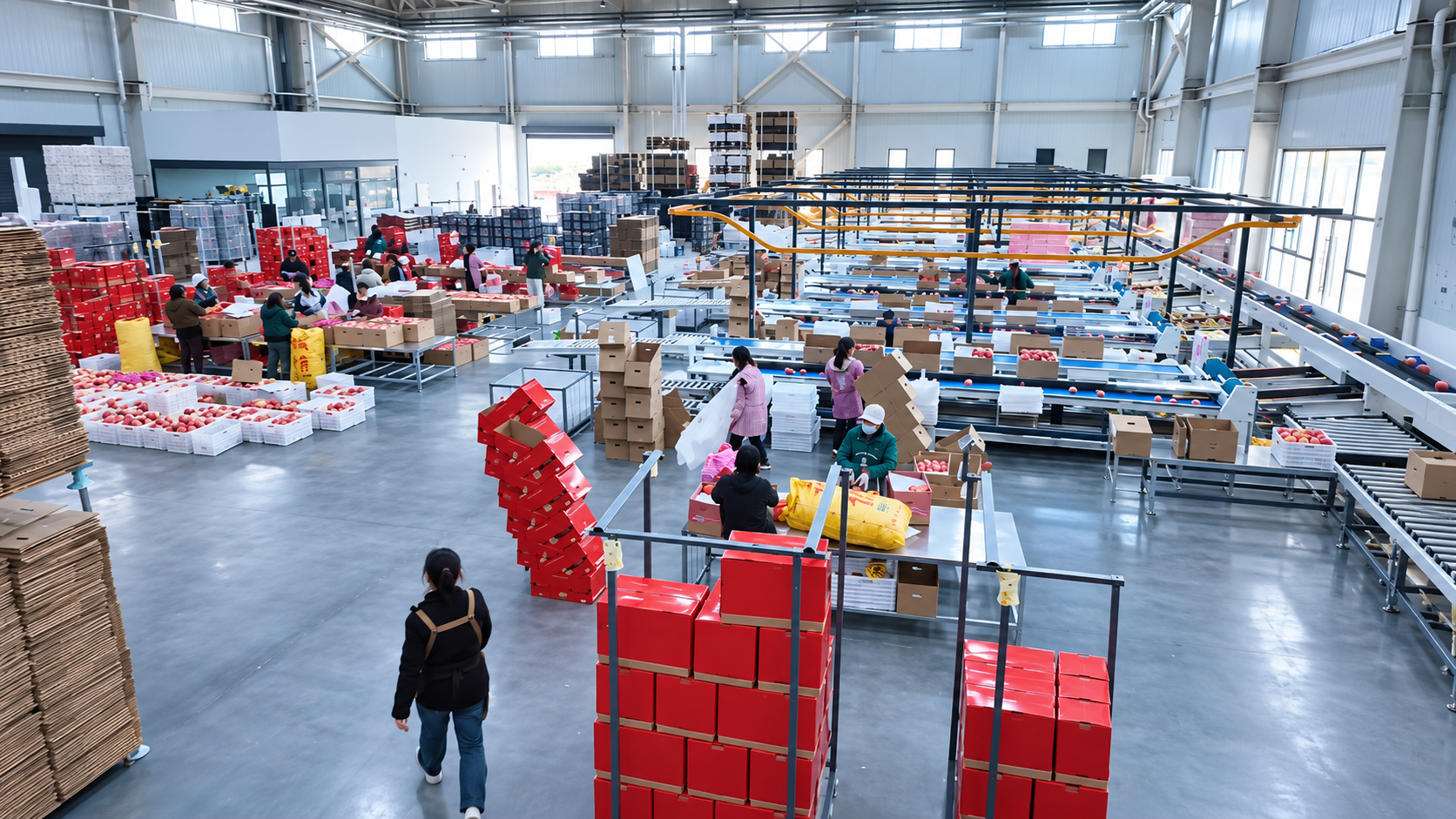
Fruit packaging automation is not only a machinery decision. A line can run well with one tray and fail with another that looks almost identical. Small differences in rim shape, stack release, lid stiffness, label position, or loaded weight can cause stops and rejects.
The practical question is whether the complete pack can move through the real process without damaging fruit or losing traceability. That process may include sorting, weighing, filling, closing, sealing, labeling, inspection, case packing, and pallet handling.
Quick Answer
Choose an automation level that matches crop volume, fruit variation, labor, changeover needs, and market requirements. Then validate the retail pack on the complete fresh produce packaging line. Test ordinary production lots, the full pack-size range, labels, cartons, stop-and-restart events, and downstream handling before commercial launch.
Fruit Packaging Automation Starts With the Whole System
An automated fruit packing line is a chain of interfaces. The output of one station becomes the input of the next. A tray that feeds correctly may still flex under fruit weight. A strong closure may resist opening but jam a case packer. A large label may look attractive yet cover vents or create a poor barcode angle.
FAO guidance describes packhouses as connected operations for receiving, sorting, grading, packing, and dispatch. It also notes that equipment scale should match the crop, throughput, market, infrastructure, and investment. This is why the most automated option is not automatically the best option.
Choose the Right Level of Automation
Manual packing remains useful for low volumes, fragile fruit, short seasons, and frequent format changes. Semi-automatic systems can standardize weighing, sealing, or labeling while workers manage variable fruit. Fully automated systems suit stable high-volume programs when pack geometry and incoming product variation stay within controlled limits.
Plan for changeovers as carefully as rated line speed. A line that runs one format quickly may lose time when crews change trays, films, labels, guides, or carton sizes. Record the parts, settings, samples, and inspection points needed for each stock-keeping unit.
Five Packaging Line Compatibility Gates
Scroll sideways to read every column.
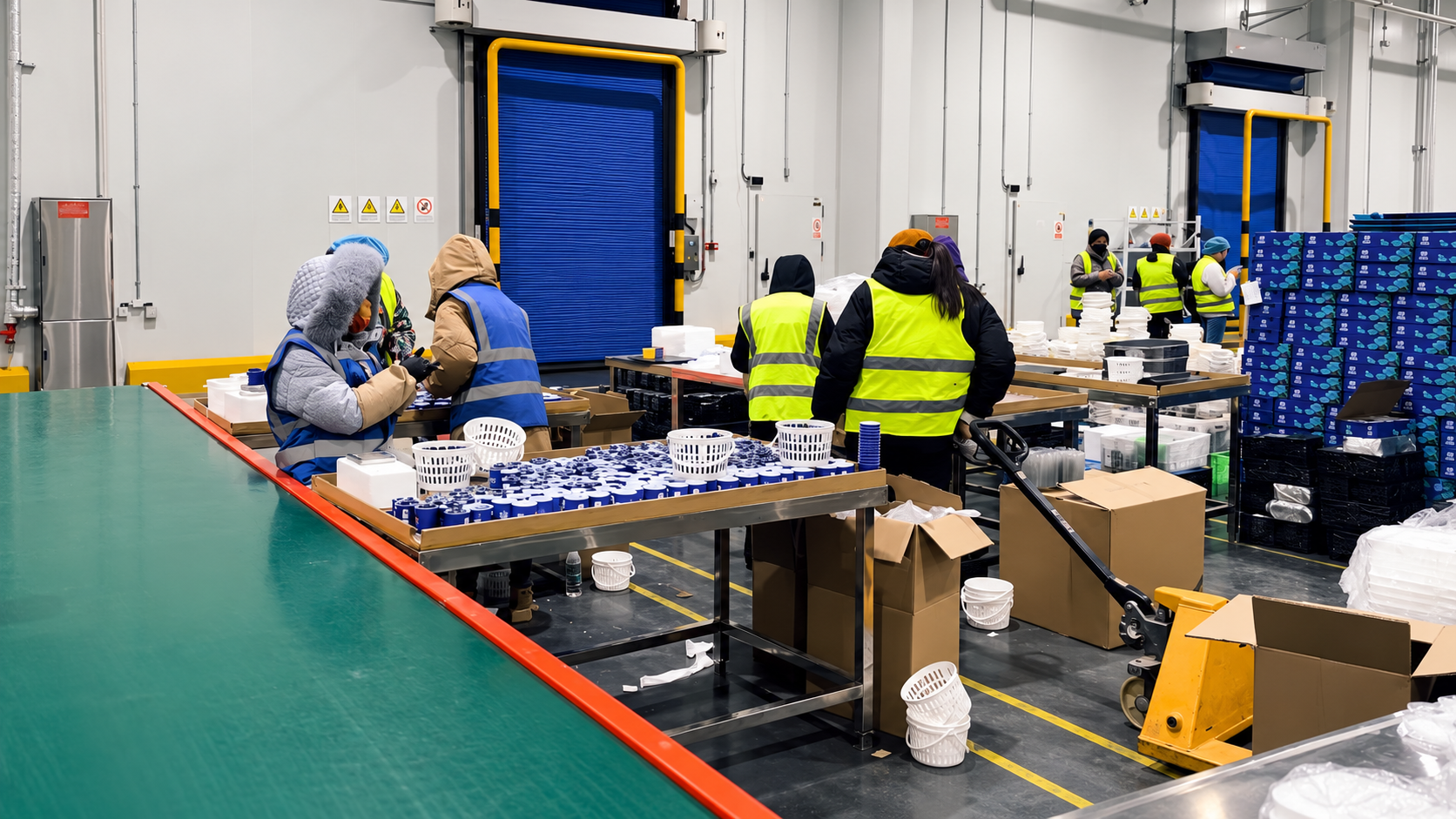
| Gate | Failure to Watch | Production Check |
|---|---|---|
| Feed and denest | Trays stick double-feed rotate or drop | Test stack release flange stiffness and guide contact |
| Fill and weigh | Fruit bridges spills or exceeds headspace | Use real size ripeness and sale-weight ranges |
| Close or seal | Lids bow seals wrinkle or rims contaminate | Check rim flatness closure force film tracking and seal area |
| Label and inspect | Labels lift skew or fail barcode checks | Confirm surface moisture label position print quality and scan angle |
| Case pack and pallet | Packs shift crush or block carton airflow | Test the loaded retail pack inside the actual carton and pallet pattern |
Control Fruit Variation Before Blaming the Pack
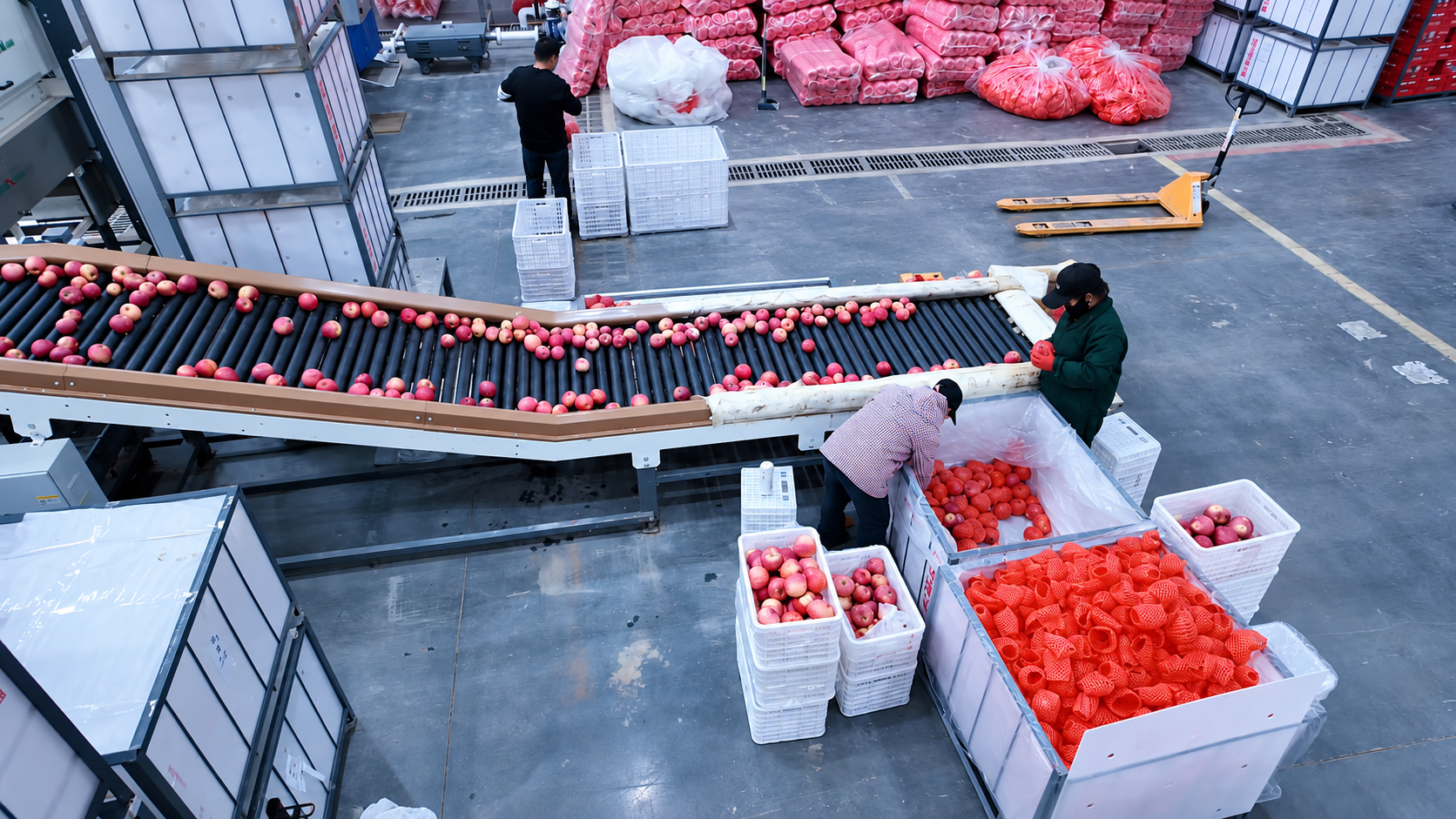
Produce sorting and grading create the input range for automation. Fruit diameter, shape, stem length, firmness, surface moisture, and ripeness can affect filling and pack closure. The machine may be stable while the incoming lot moves outside the conditions used during setup.
Build trials around the real extremes, not an ideal sample. Include small and large fruit, normal weight tolerances, the softest acceptable lot, and any stems or leaves that may cross the rim. If workers still make a final visual selection, define what they remove and where they return the pack to the line.
Design the Pack for Repeatable Machine Handling
Packaging line compatibility begins with repeatable dimensions. Check flange width, wall taper, corner radius, stack pitch, nesting depth, lid engagement, and the flat surfaces used by guides or sensors. Review the loaded pack as well as the empty component because fruit weight can change flex and conveyor behavior.
For automatic tray sealing, confirm that the rim stays clean and flat. Film must track consistently, and the sealing window must work with the product and route. For clamshells, test hinge recovery, closure force, tamper features, and whether automation confirms full closure without crushing fruit.
Make Labels and Traceability Part of the Line
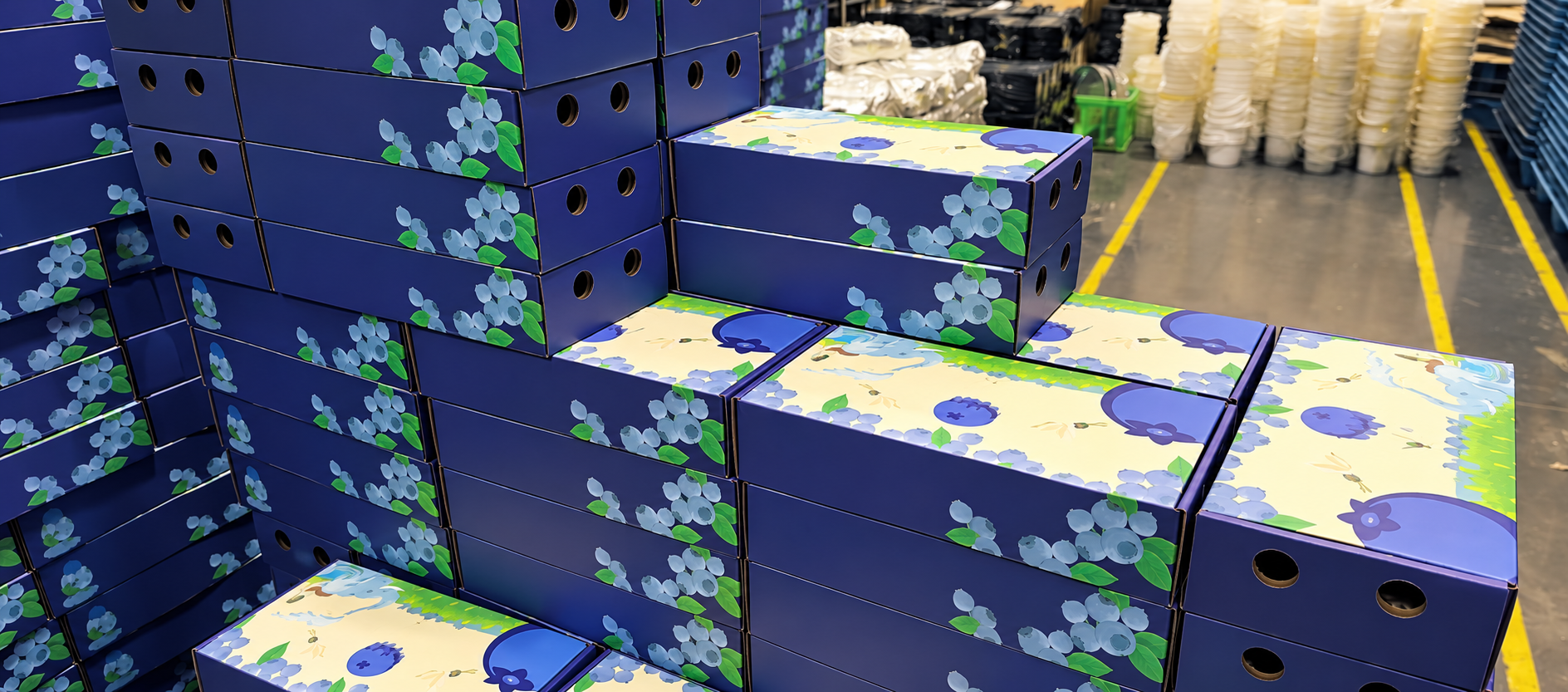
Automated labeling for fresh produce must work with the pack surface, condensation risk, conveyor direction, and inspection camera. Set an approved label zone that does not block vents, closure features, product visibility, or required information. Confirm that the label remains flat after cooling and normal handling.
GS1 guidance treats consumer packs, cases, and logistics units as connected traceable items. The line should link the correct product code and lot to the correct package level. Barcode verification should check both data and print quality, while reject handling should prevent an unverified pack from rejoining good production.
Run a Commercial Line Acceptance Test
A line acceptance test should use production fruit, final packaging components, approved artwork, commercial cartons, and trained operators. Agree on the acceptance limits before the test. Do not wait until the run ends to decide which stops or defects count.
- Start slowly and confirm feeding guides sensors recipes and reject paths at each station.
- Run long enough to observe replenishment routine cleaning normal operator rotation and downstream accumulation.
- Record line stops misfeeds double-feeds seal defects open closures label position scan failures rejects fruit damage and rework.
- Test a normal stop and restart a short material interruption and the planned pack changeover.
- Open finished cartons and inspect the warmest most compressed and least visible pack positions.
Use the results to update the packaging specification, machine recipe, quality plan, approved sample, and operator instructions. Keep the tested component revision with the record. A later change in resin, wall thickness, label stock, adhesive, film, or carton layout may require another focused trial.
Protect Hygiene and Product Quality
Automation can reduce some handling, but it does not remove hygiene duties. Equipment and adjacent spaces must remain accessible for cleaning and maintenance. Product-contact surfaces and any change parts should fit the sanitation method used by the facility. Fresh-cut lines need especially careful control of food-contact areas and wet cleaning.
Watch every transfer point for drops, rolling impact, pressure, and stem puncture. Faster movement is not useful if it increases bruising or creates hidden damage. Packaging can support quality, but it cannot repair poor fruit, warm loading, delayed cooling, or weak process control.
Common Automation Mistakes
- Buying equipment before defining fruit range pack formats throughput and changeover needs.
- Approving an empty tray without testing the declared sale weight and real product variation.
- Testing the filler or sealer alone while ignoring labeling case packing cooling and pallet flow.
- Using nominal dimensions without approved tolerances inspection methods and revision control.
- Treating operator workarounds as normal production instead of correcting the interface that caused them.
Frequently Asked Questions
Does automation require a completely new fruit pack?
Not always. A current pack may work after guide, sensor, label, or recipe changes. However, redesign may be necessary when the pack cannot feed consistently, hold the fruit safely, close reliably, or fit downstream cartons.
What should a packaging drawing include for automation?
Include critical dimensions, tolerances, stack pitch, nesting details, rim or closure geometry, and material controls. Also show label zones, artwork orientation, vent locations, and the approved carton arrangement. Mark the features that machines and sensors use.
Should line speed be the main acceptance measure?
No. Throughput matters, but stable quality matters more. Review stops, rejects, rework, seal or closure quality, barcode results, fruit damage, changeover time, cleaning access, and downstream accumulation with the achieved output.
When is semi-automation the better choice?
Semi-automation can be better when crop volume changes sharply, fruit varies, seasons are short, or the plant runs many pack formats. It can standardize the most critical steps while preserving human judgement where variation is difficult to control.
Who should approve the final line trial?
Include production, packaging, quality, maintenance, food safety, traceability, procurement, and the equipment supplier. Approval should cover the pack, fruit, label, carton, machine recipe, inspection plan, and documented limits as one system.
Final Decision
Fruit packaging automation succeeds when a repeatable pack meets a controlled fruit range and a clearly defined process. Choose the automation level around real volume and changeovers. Then approve the complete line with commercial components, measurable quality checks, and revision-controlled records.
