Food boxes and trays

Food boxes and trays.

Find a starting format for the food you pack, the filling process and the way it will be served or sold.

03

Overview

Describe the food and use.

Share the portion, texture, moisture or oil contact and how the food will be prepared and handled.
Food and portionDescribe the food that will touch the pack.What to check
  • State the portion and the variation you normally pack.
  • Mention moisture or oil contact and any dividers you need.
Filling through servingFollow the actual steps.What to check
  • Share known filling, storage and serving conditions, including temperature and duration where relevant.
  • Describe the lid or film and how the customer will open the pack.
Prepare food-tray project notes
04

Comparison

Review the whole packing process.

Consider filling, closing, storage, transport and opening together.
Choose a stage to review

The portion and closure need room together.

Food
Describe the portion, its height and any moisture or oil that reaches the rim.
Container
Identify the usable space, dividers, rim and exact lid or film.
Process
Share the filling temperature and method, then how and when the pack is closed.

Bring the three together

Fill a sample with the usual portion. Look for food at the closing surface and contact above the food when the closure is fitted.

SEARCH THE PRODUCT DIRECTORY

Browse food boxes and trays references.

Browse packaging references, then share the closest model with us to discuss dimensions, materials and fit for your product.

119supplied views

Showing 12 of 105 references · 119 photos

QG-HM03B · view 1 of 1

QG-HM03BFood boxes and trays

XGL-1616P · view 1 of 1

XGL-1616PFood boxes and trays

XGL-180-G · view 1 of 1

XGL-180-GFood boxes and trays

XGL-118B · 4-compartment · gold finish · view 1 of 1

XGL-118B · 4-compartment · gold finishFood boxes and trays

XGL-200-130E · view 1 of 1

XGL-200-130EFood boxes and trays

QG-118B · view 1 of 1

QG-118BFood boxes and trays

XGL-2015P · view 1 of 1

XGL-2015PFood boxes and trays

XGL-2013P · view 1 of 1

XGL-2013PFood boxes and trays

QG-TP23-13 · view 1 of 1

QG-TP23-13Food boxes and trays

QG-1912G · view 1 of 1

QG-1912GFood boxes and trays

QG-FM2116 · view 1 of 1

QG-FM2116Food boxes and trays

QG-700-210 · view 1 of 1

QG-700-210Food boxes and trays

05

Project inputs

Choose a closure to review.

Compare a hinged box, a tray with a separate lid or a sealing-film format for your process.
06

Process

Check the fit around the food.

Review product support, headspace, lid clearance, stacking and the outer carton.
07

Comparison

Compare food packaging references.

Browse the photographs above and search a model or reference number to discuss a suitable starting point.

Keep the reference with the exact photo.

Find a starting point in the directory. Choose the photo you want to discuss, then use Copy reference beneath it.

Browse and copy a reference
Model or reference
The label shown with the selected photo.
Photo
The selected view number and a direct image link.
Return to the directory
A link that searches the same reference.

Add your food, portion and use conditions when you share it. Dimensions, material and closure fit need checking for that exact reference.

08

Project inputs

Match material information to the use.

Share temperature, duration and food-contact conditions. Ask for the documents relevant to the particular material and component.
09

Process

Keep what works. Change what needs to.

Identify the dimensions, closure, dividers or presentation details that differ from the closest existing format.
What would you like to change?

Change the space for the food.

Example: a deeper cavity while keeping the opening size fixed.

Start from the closest reference. Agree changes after reviewing the actual pack and process.

What needs to stay?

Mark the dimensions that must stay, including any existing lid or outer carton.

What to bring

Bring the intended portion, a marked photo or drawing, and the dimensions you know.

Discuss the structure change
10

Overview

See the pack and closure together.

Review how the food sits inside and how the filled pack is closed and handled.
11

Project inputs

Discuss your food packaging.

Start with the food, portion and packing method. Technical details can follow in the conversation.

Packaging and project examples

Food-packaging illustrations
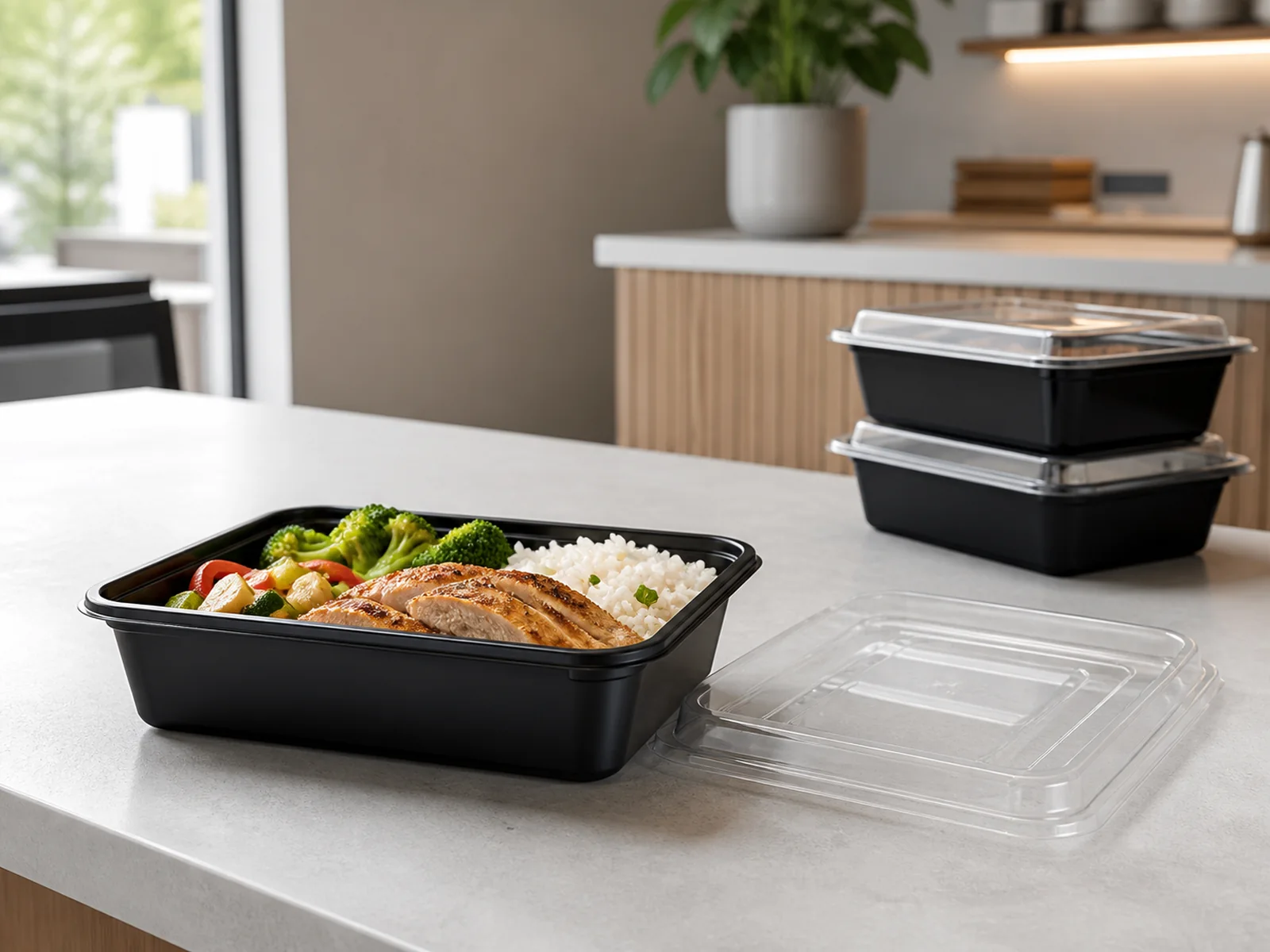
Food-packaging illustrations — illustration 1

Food-packaging illustrations — illustration 1

Food-packaging illustrations — illustration 2

Food-packaging illustrations — illustration 2

Food-packaging illustrations — illustration 3

Food-packaging illustrations — illustration 3

Food-packaging illustrations — illustration 4

Food-packaging illustrations — illustration 4

Food-packaging illustrations — illustration 5

Food-packaging illustrations — illustration 5

Food-packaging applications

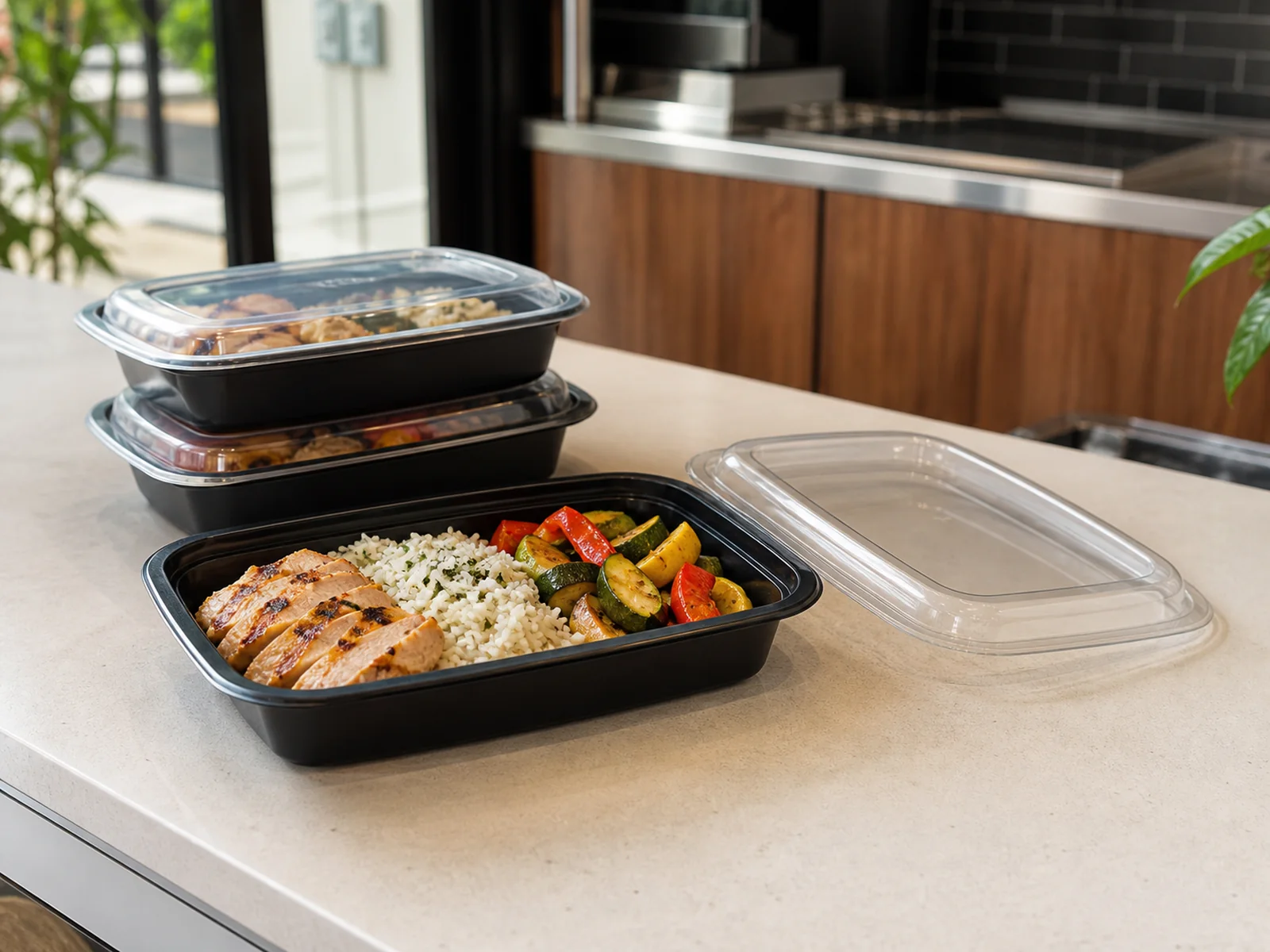
Food-packaging applications — view 1
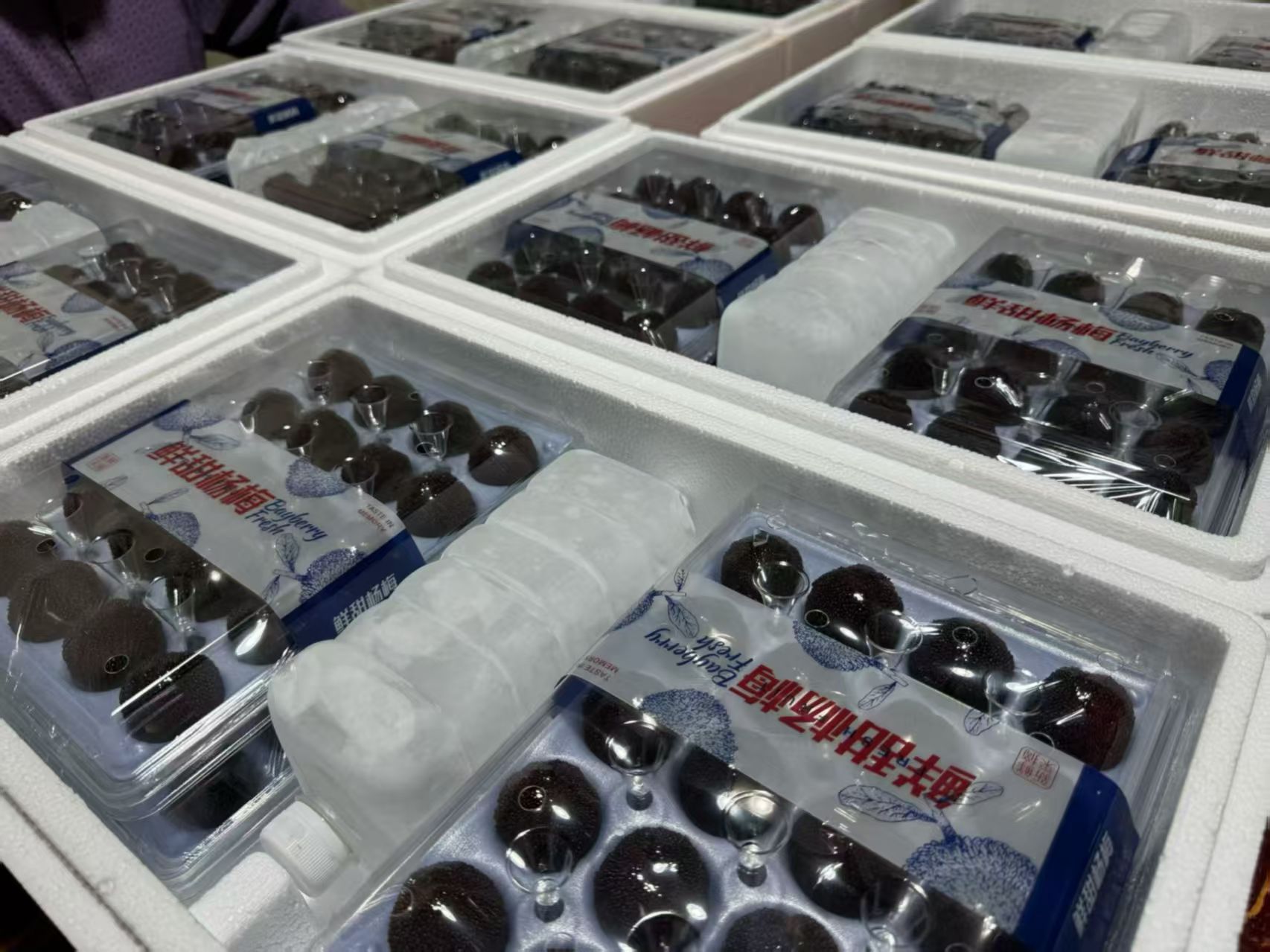
Food-packaging applications — view 1

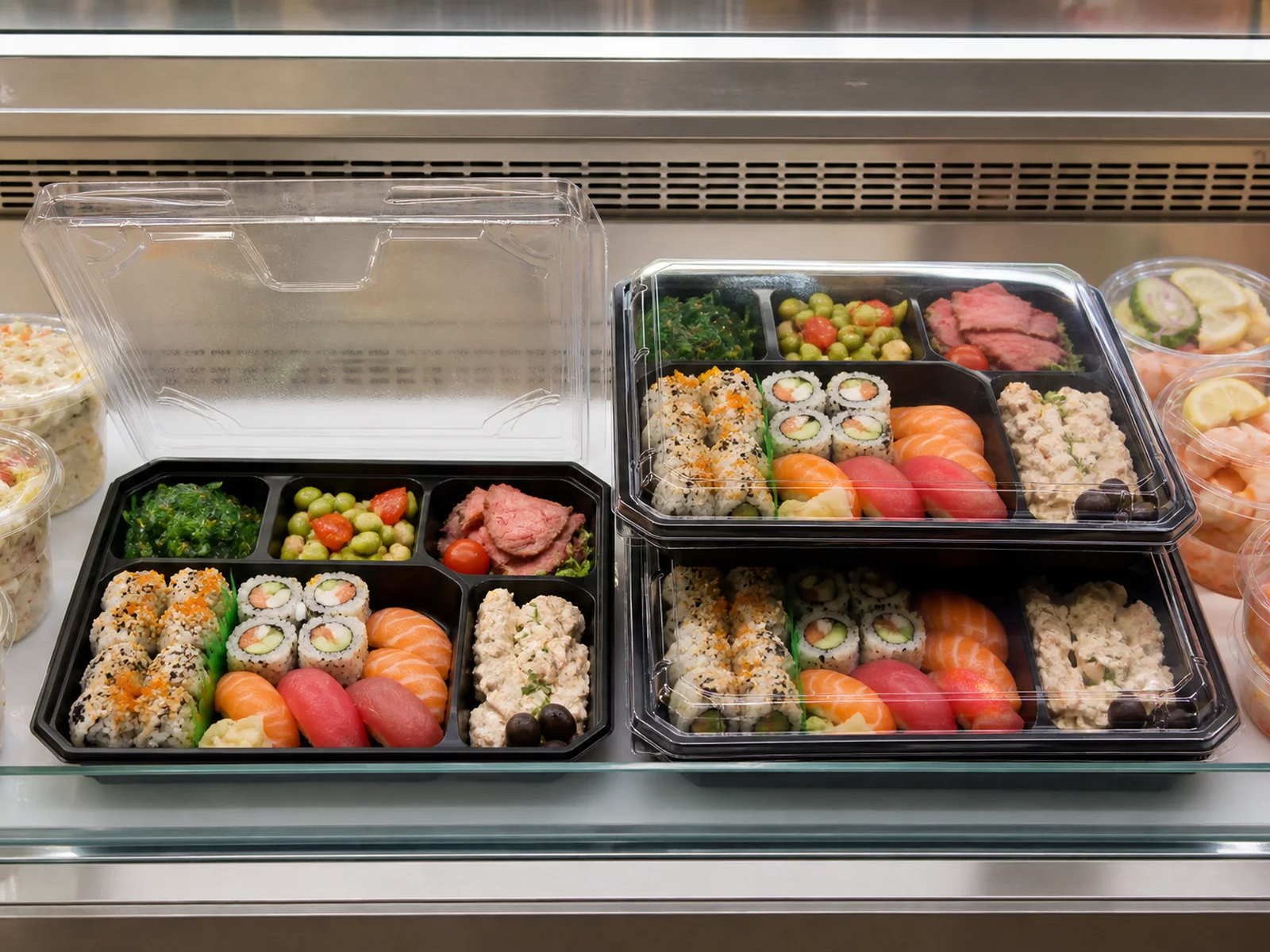
Food-packaging applications — view 2

Food-packaging applications — view 2

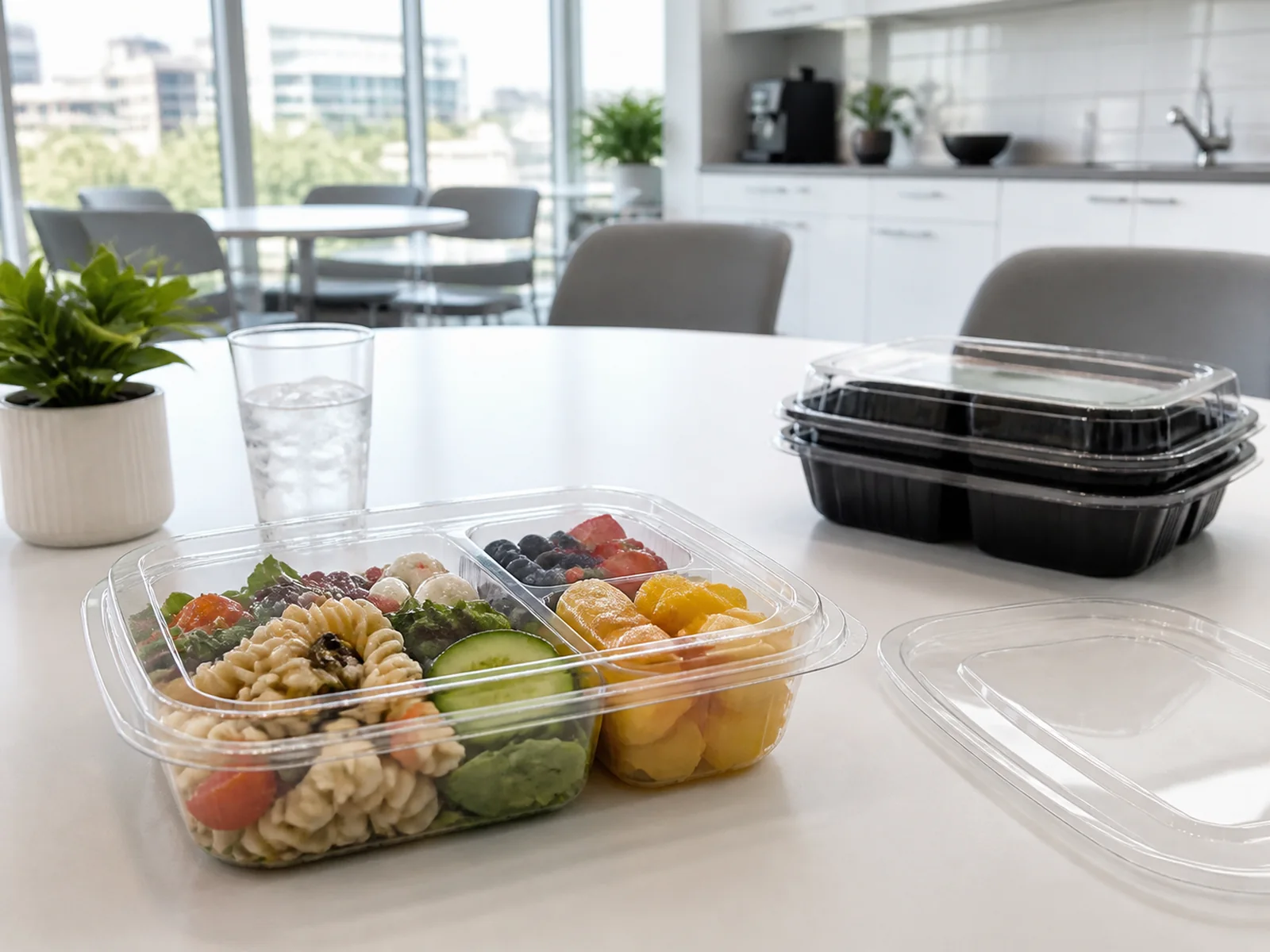
Food-packaging applications — view 3

Food-packaging applications — view 3

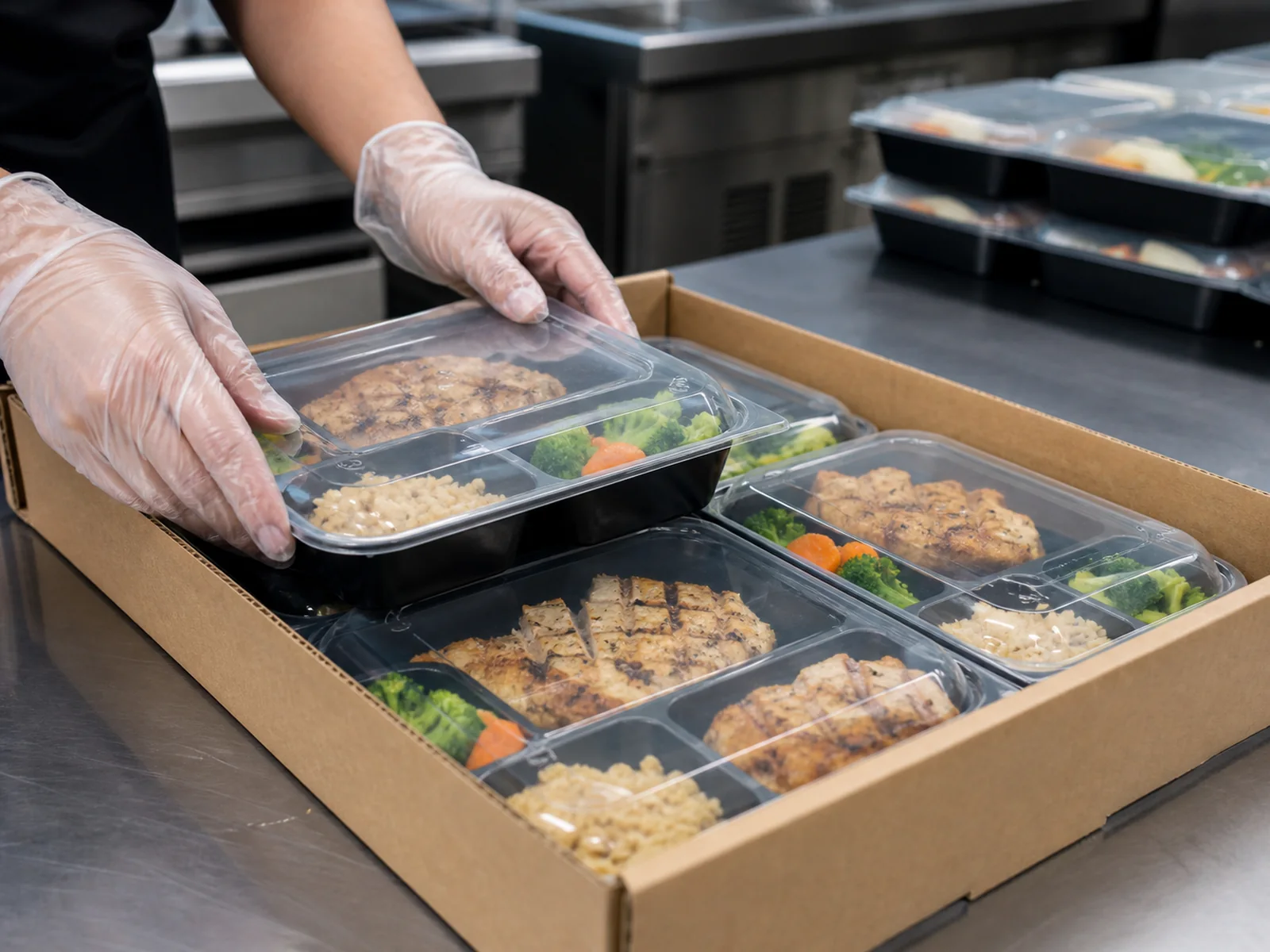
Food-packaging applications — view 4

Food-packaging applications — view 4

Let’s discuss what you need to pack.

Start with a photo, an existing pack or a question. You do not need a complete specification to begin.

Start a packaging brief
Food boxes and trays. | A BOX