
Pack proof method
From product brief to production.
Review the structure, sample and packing method in a clear sequence before moving into production.
Define the brief
Your product and packing route
A clear starting point
Project inputs
Start the review together.
One useful question is enough to begin.
You bring
The product, an available pack or reference, and the main change you need.
A BOX reviews
The fit, packing conditions and connected components with you.
Agree the next step
Identify what the first drawing or sample needs to answer and what remains open.
Start with what you have. Measurements and other details can be added as the question becomes clearer.
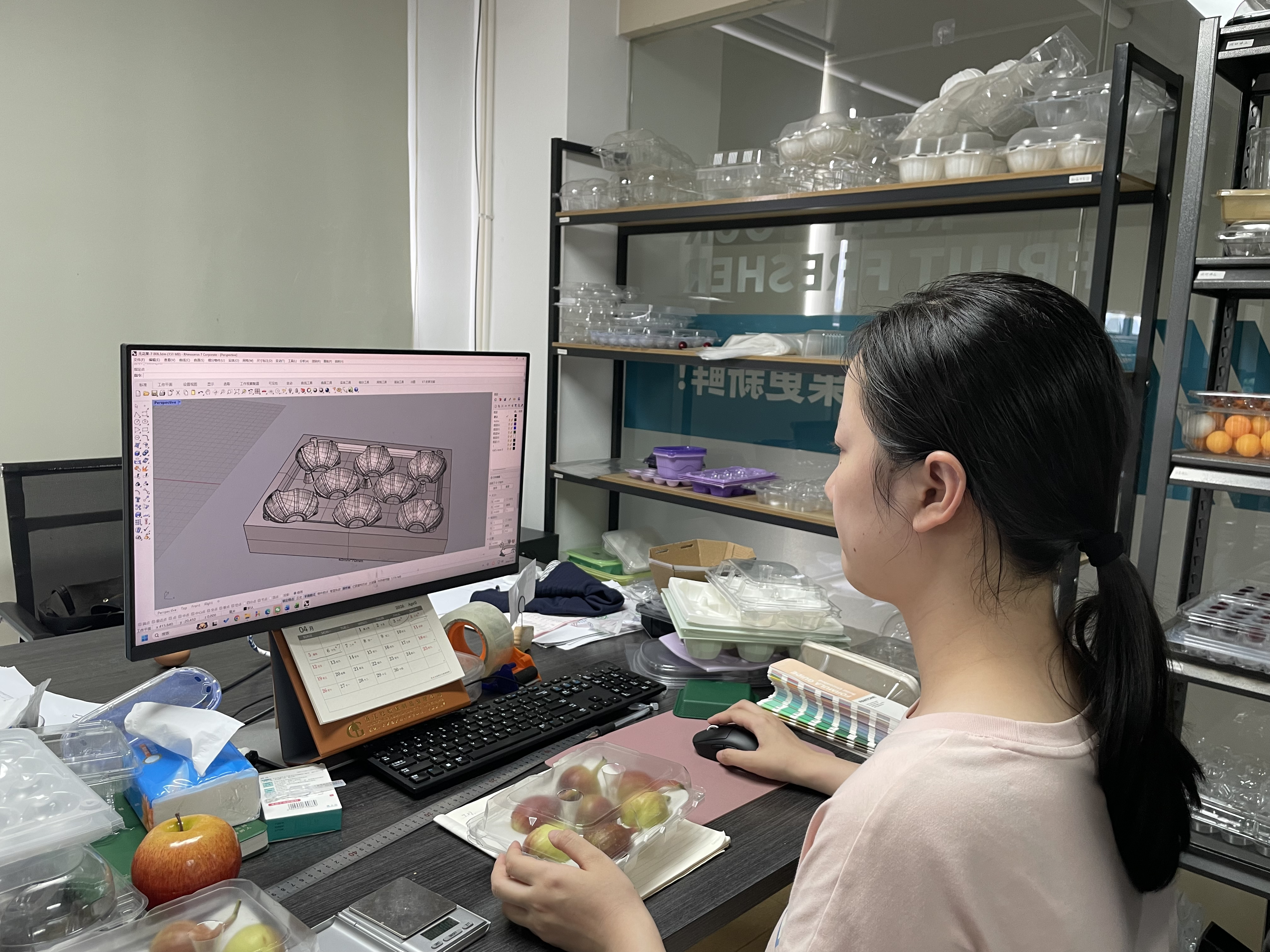
Development examples
3 images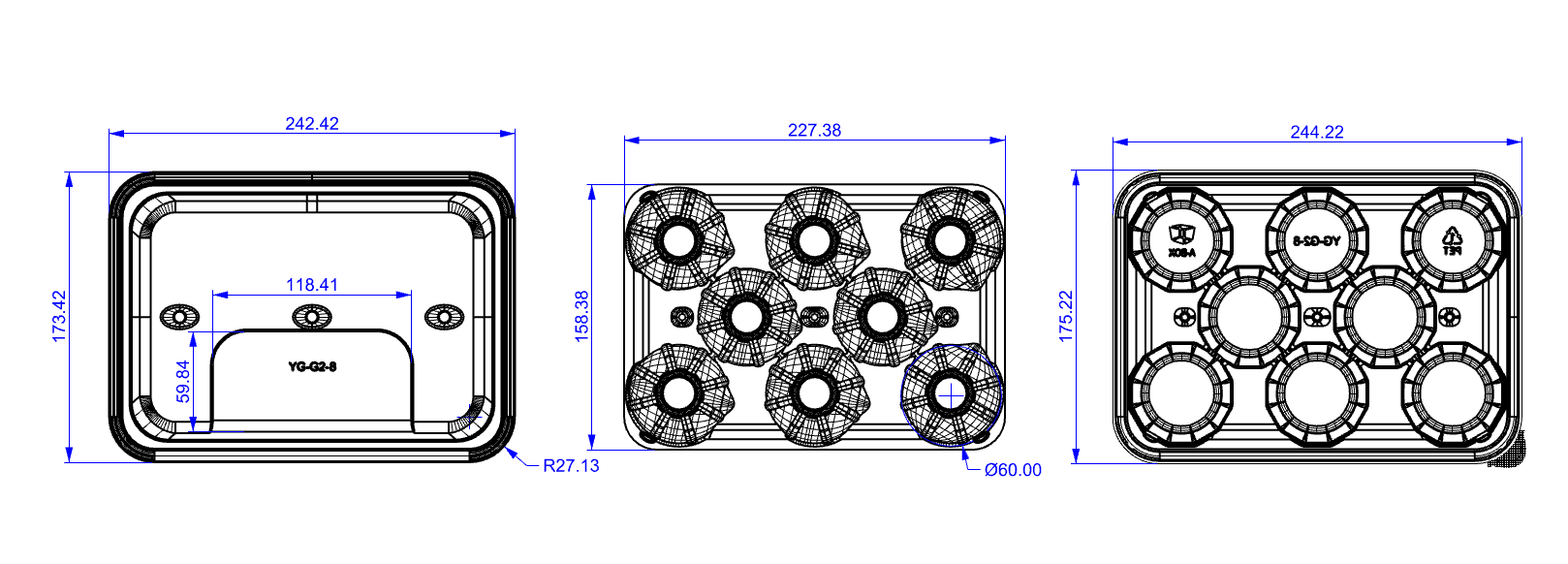
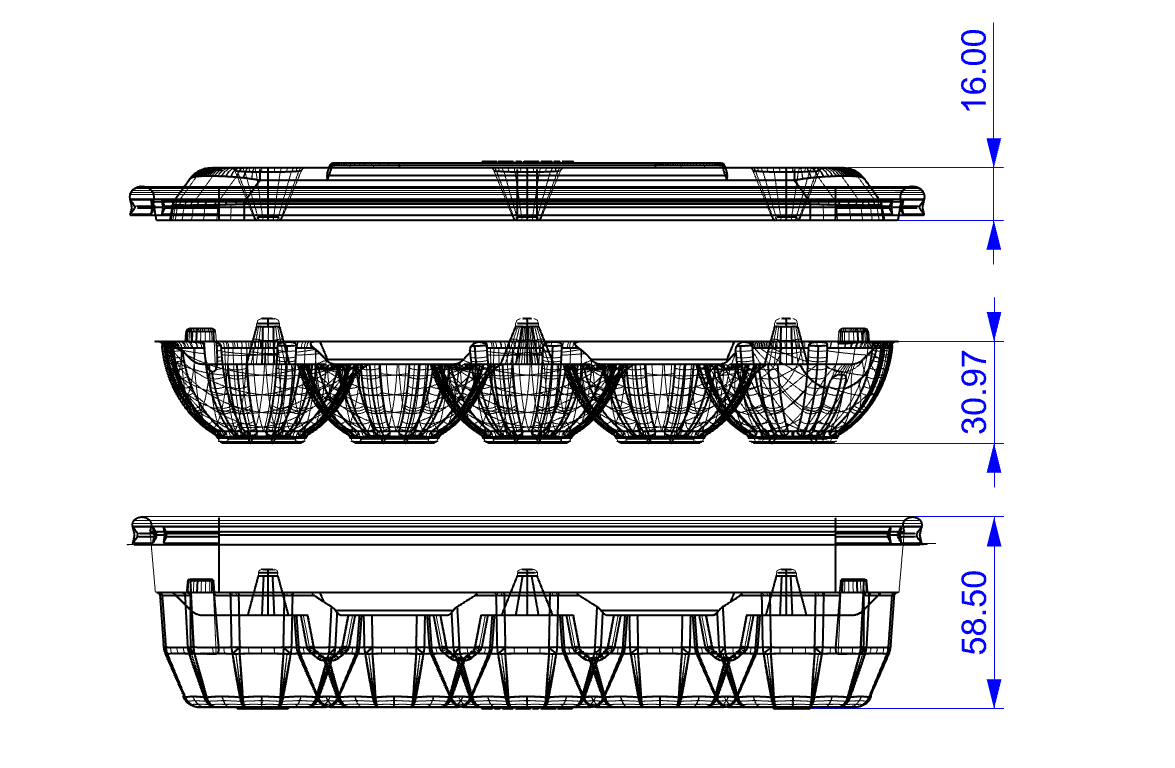
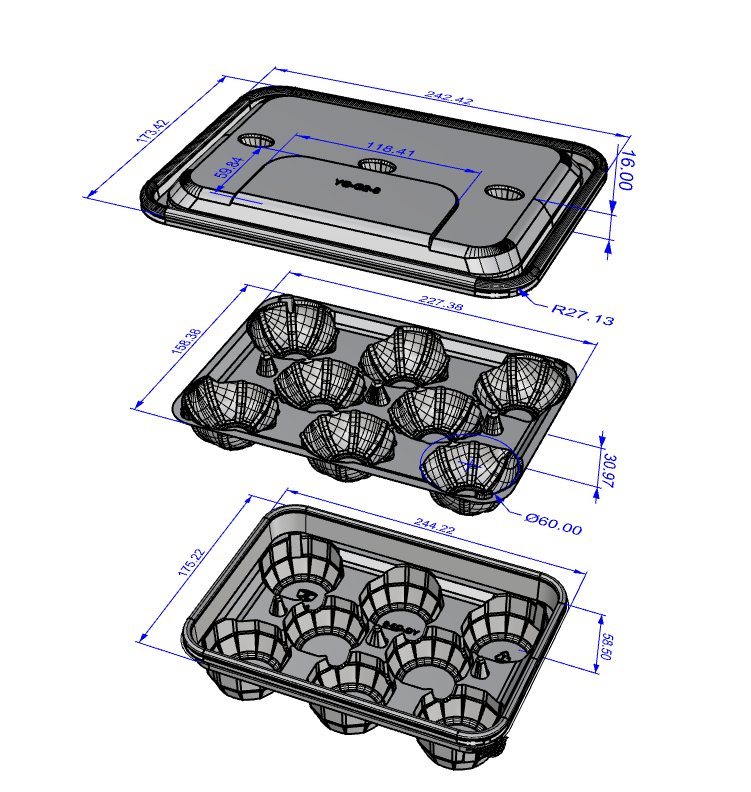
Review the fit
The pack and its mating parts
Details to check in a sample
Overview
Develop the fit.
Review the format, dimensions, support, closure and material direction around the product.
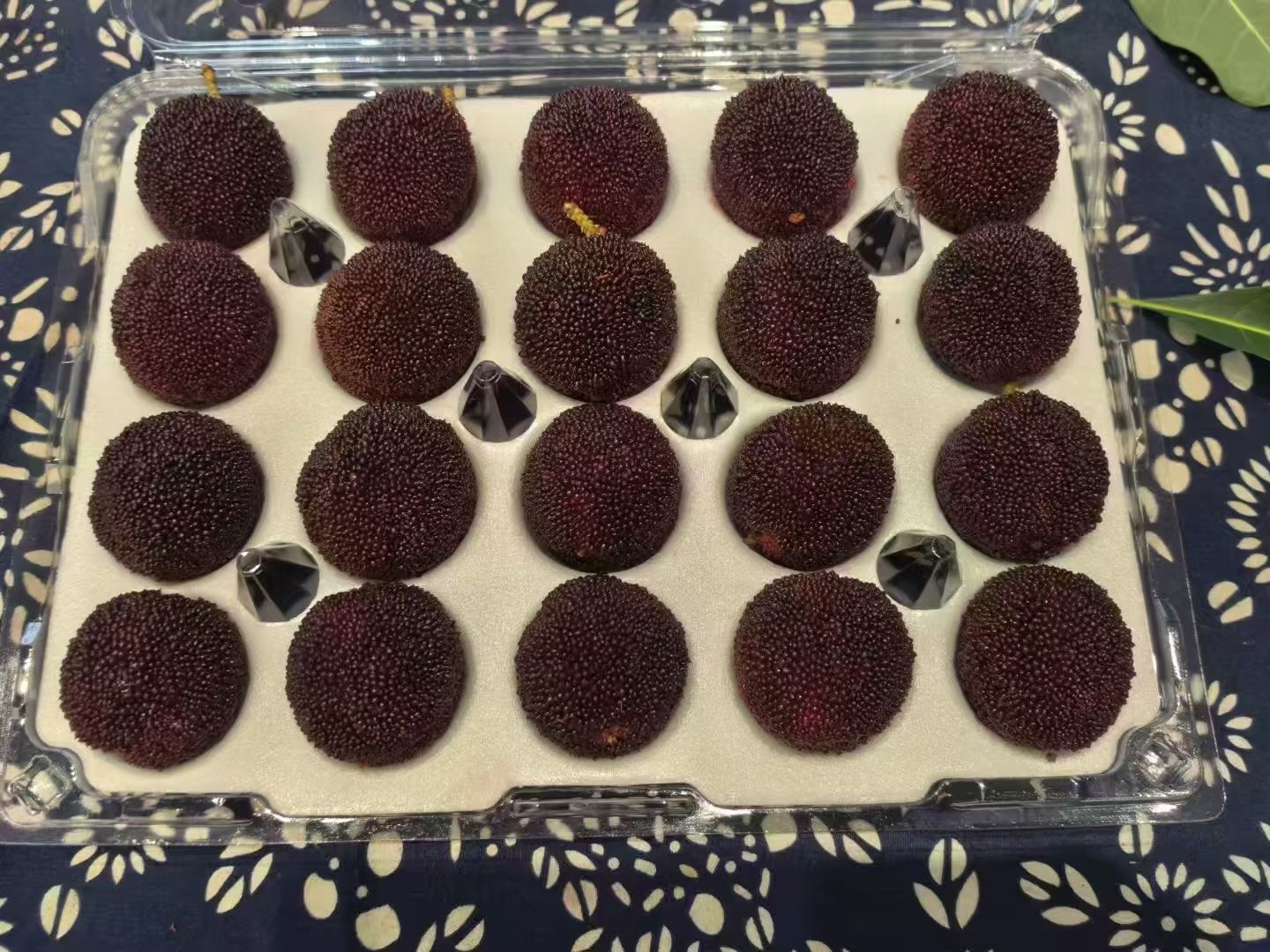
Try the sample
The real product and intended use
Recorded feedback and changes
Overview
Try the sample.
Check filling, closing, handling, stacking and carton arrangement in the intended conditions.
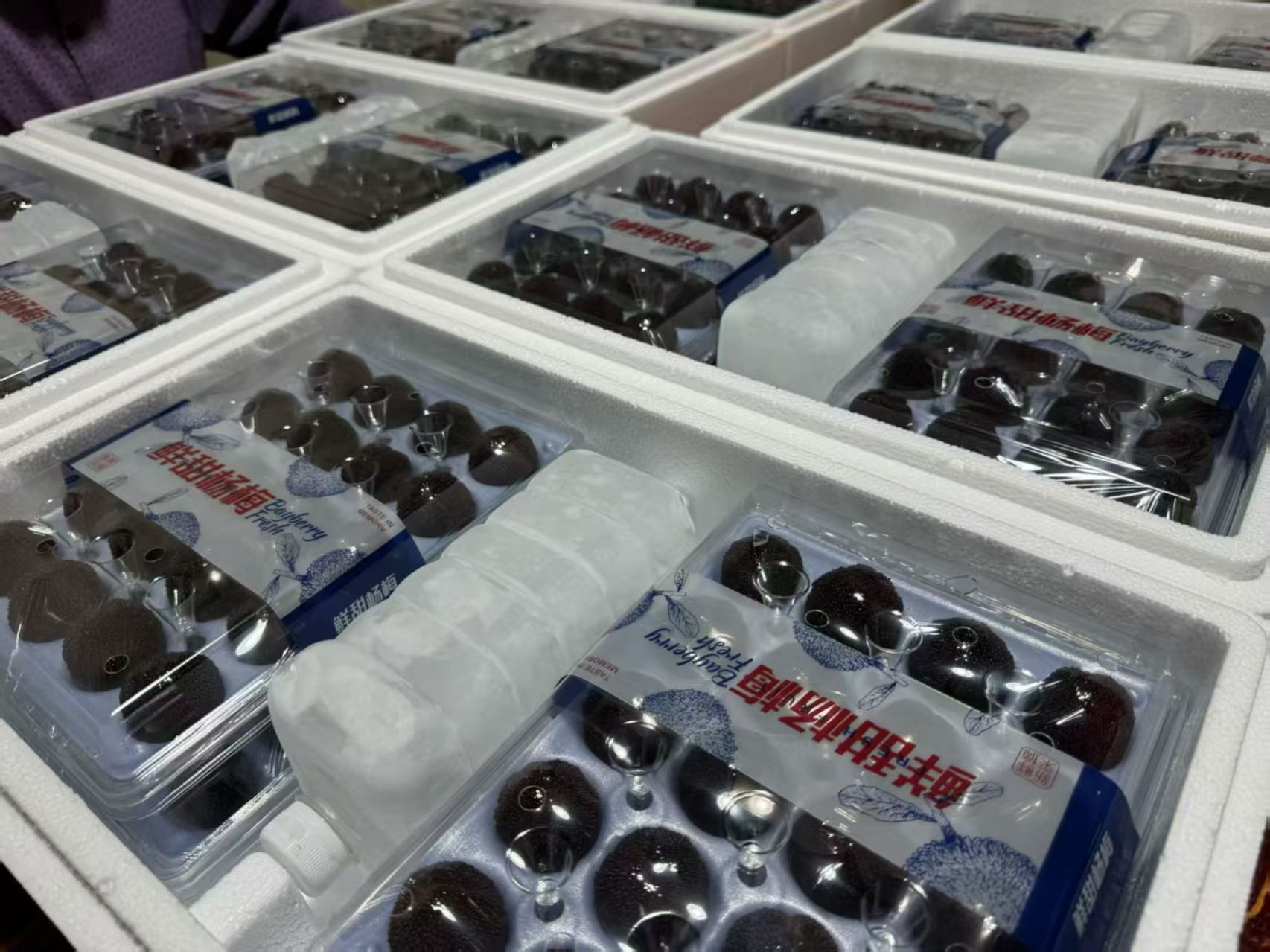
Sample versions
3 images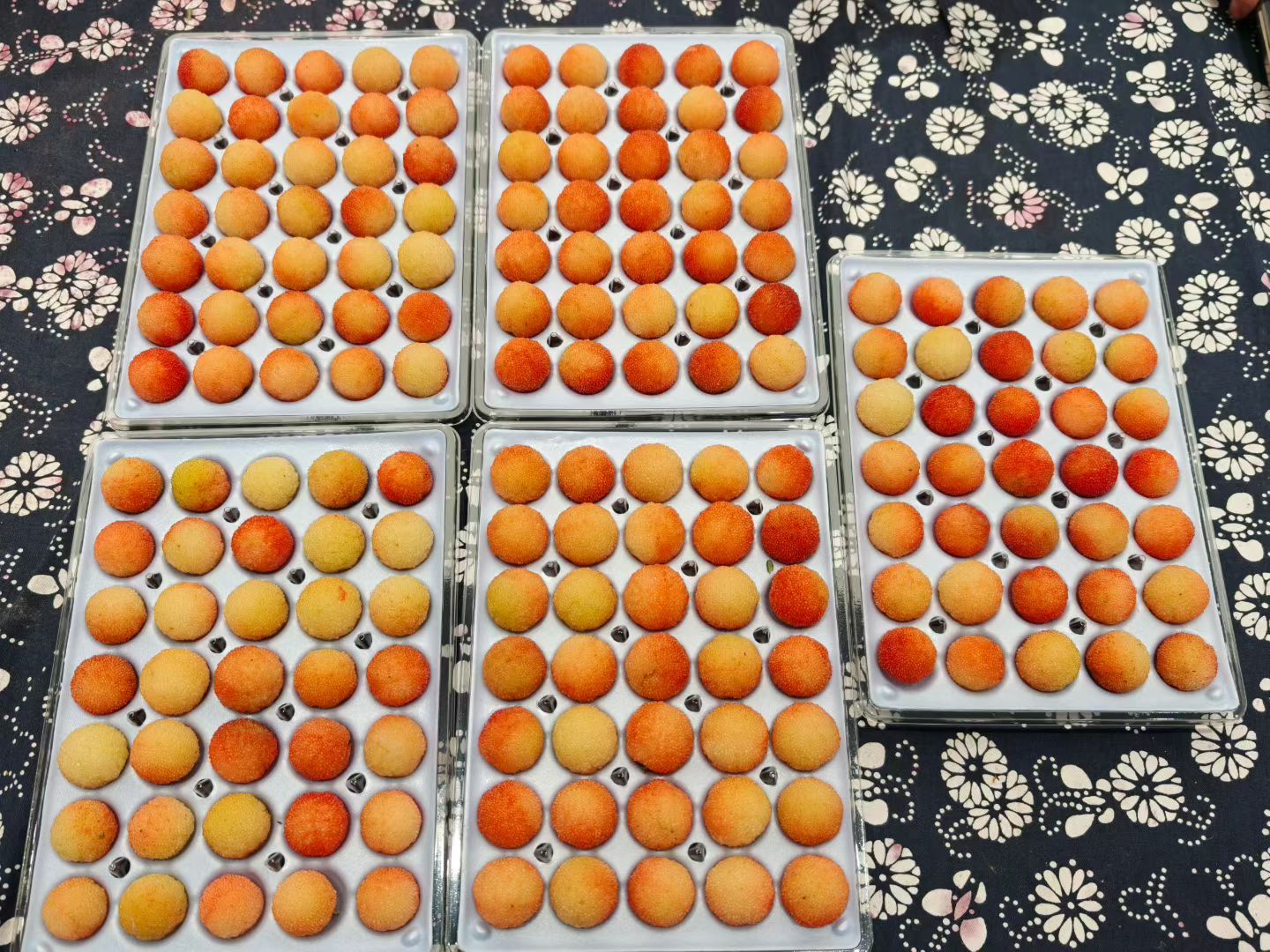
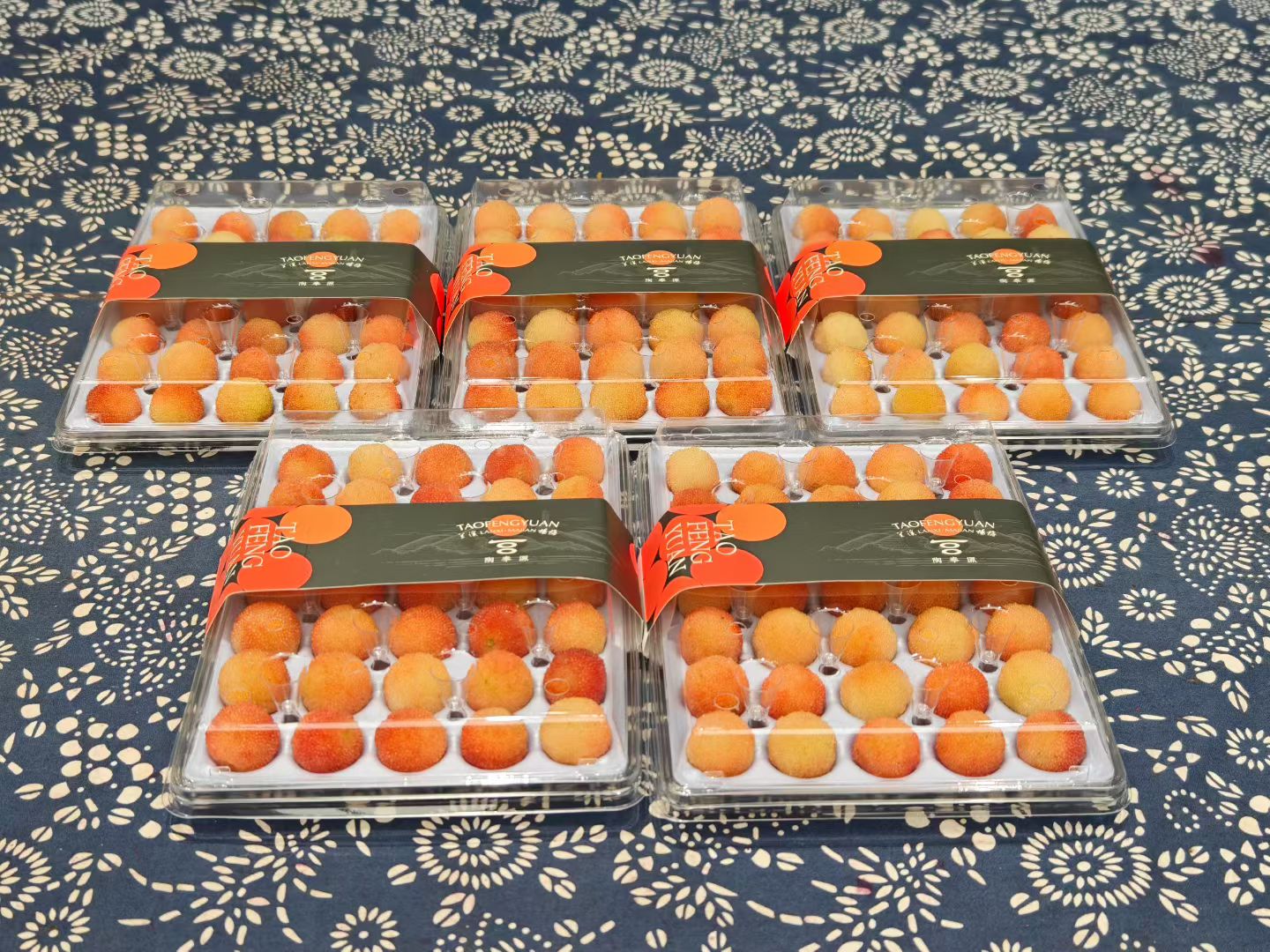
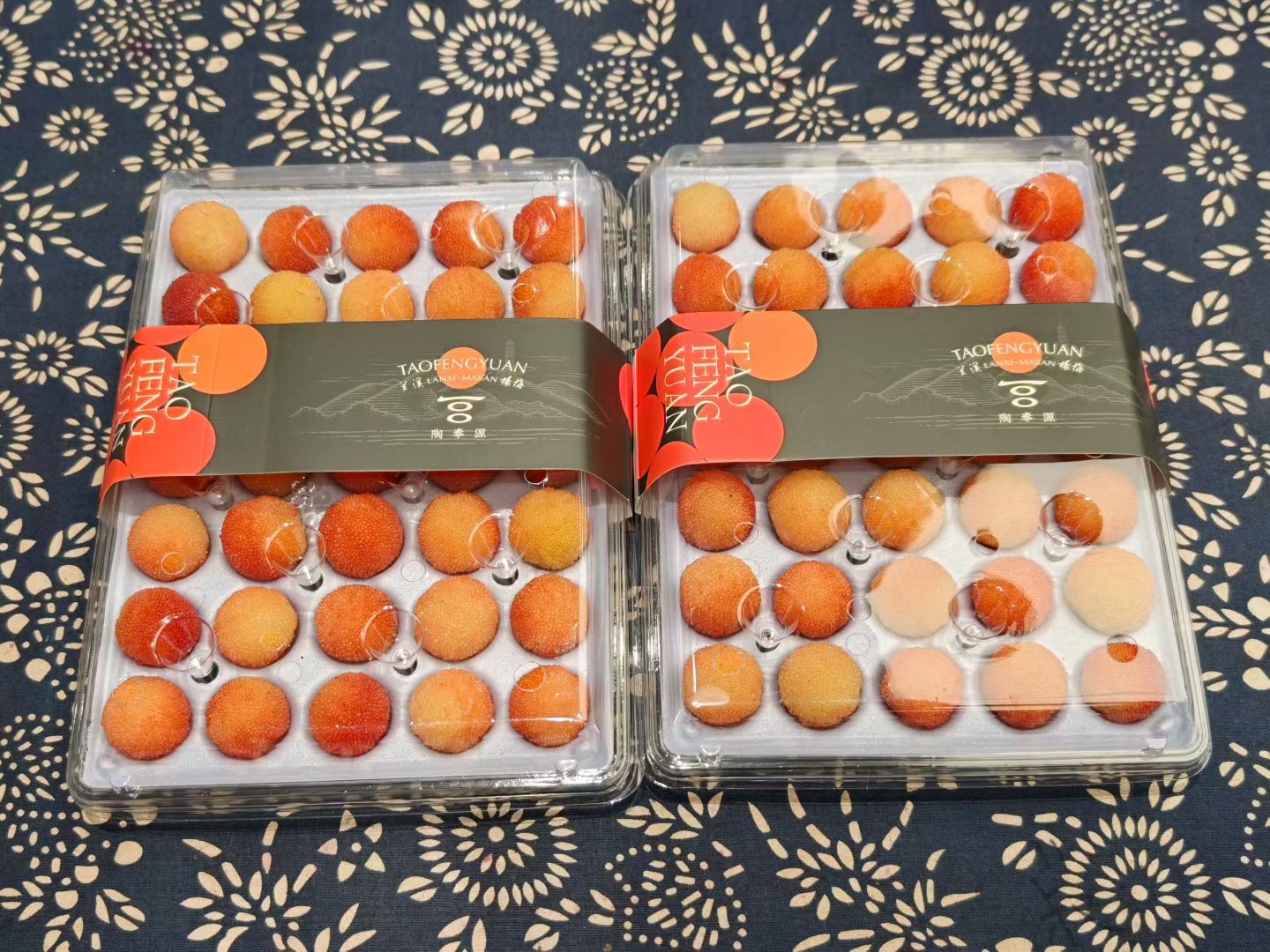
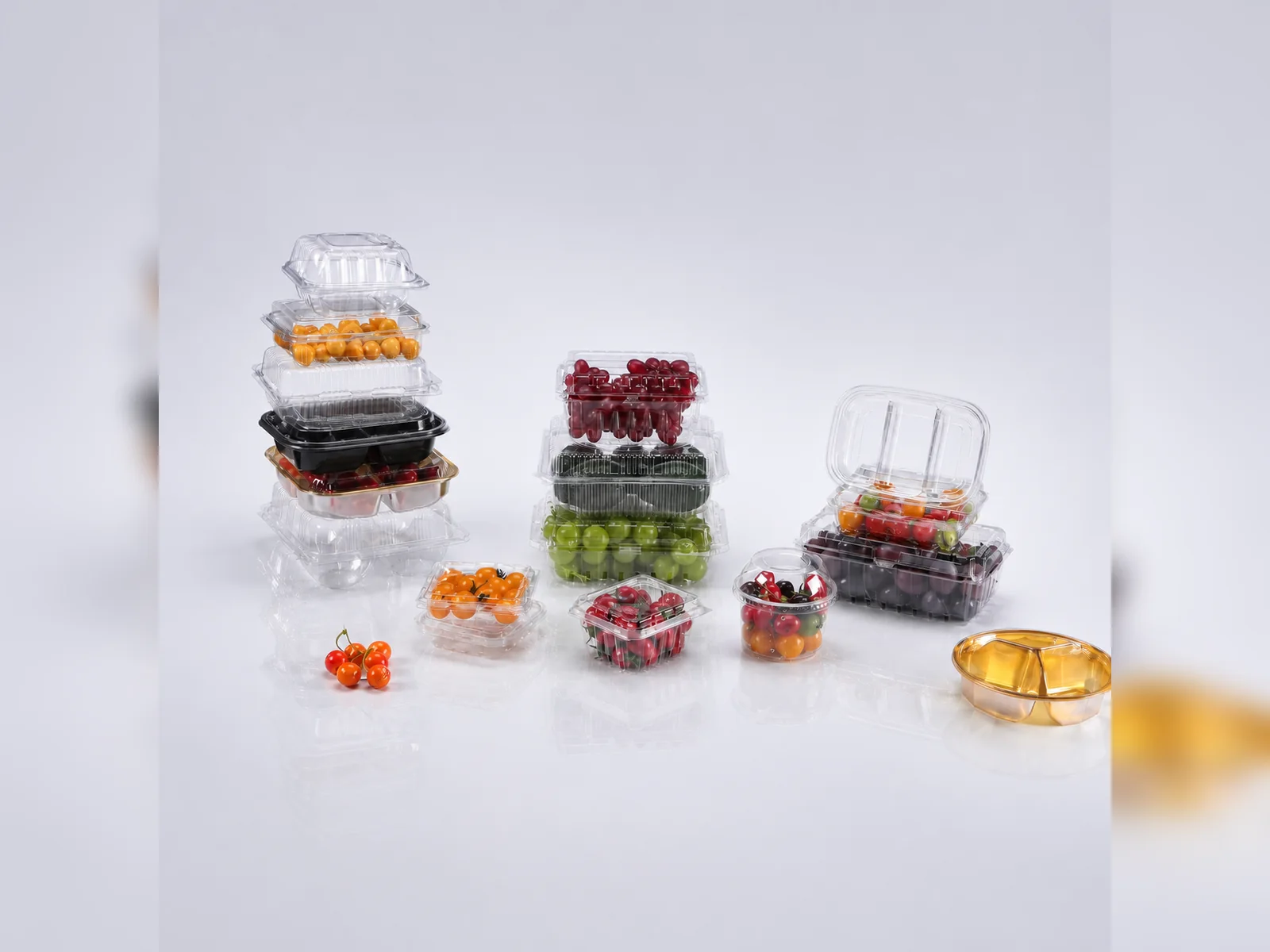
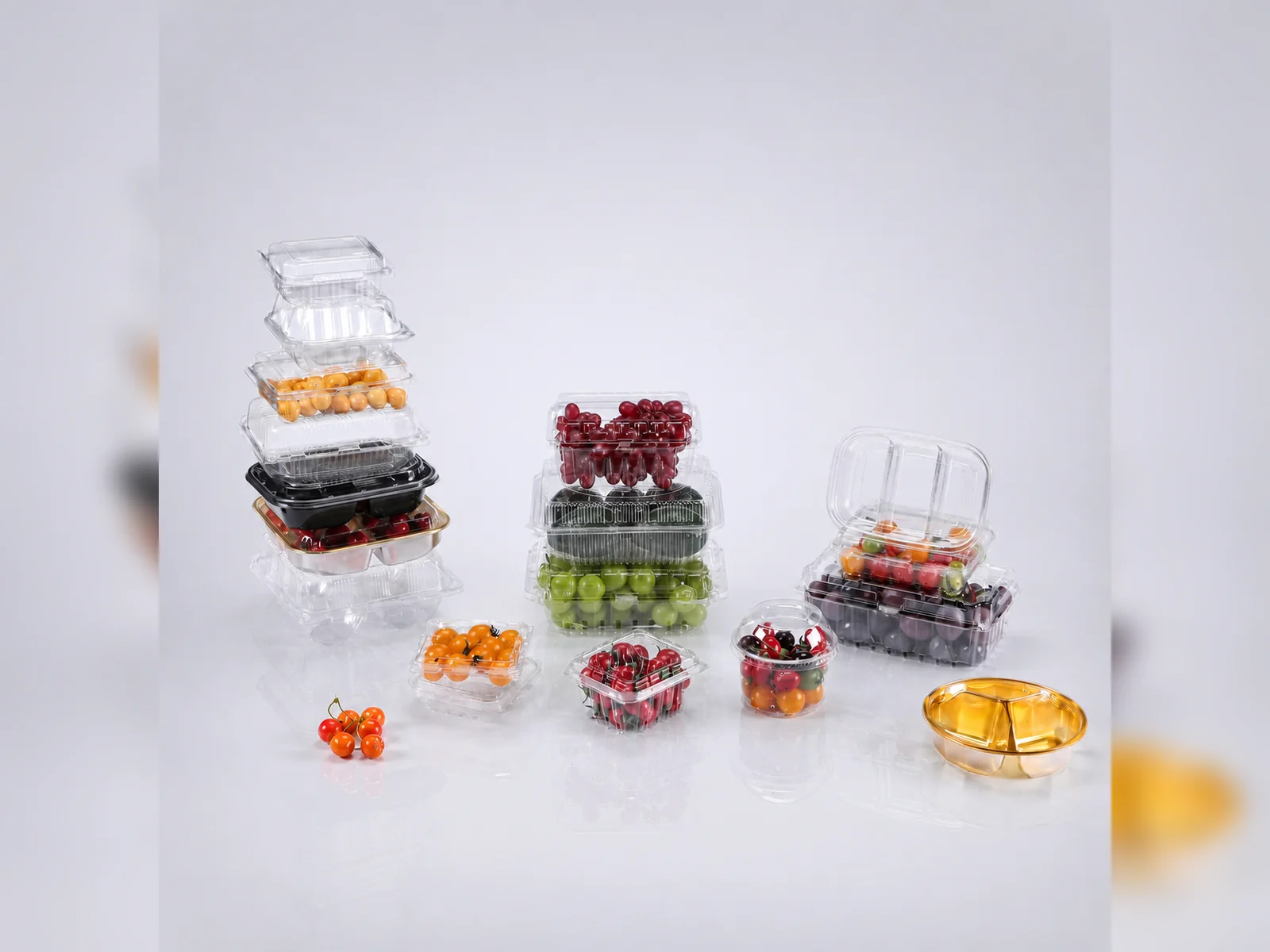
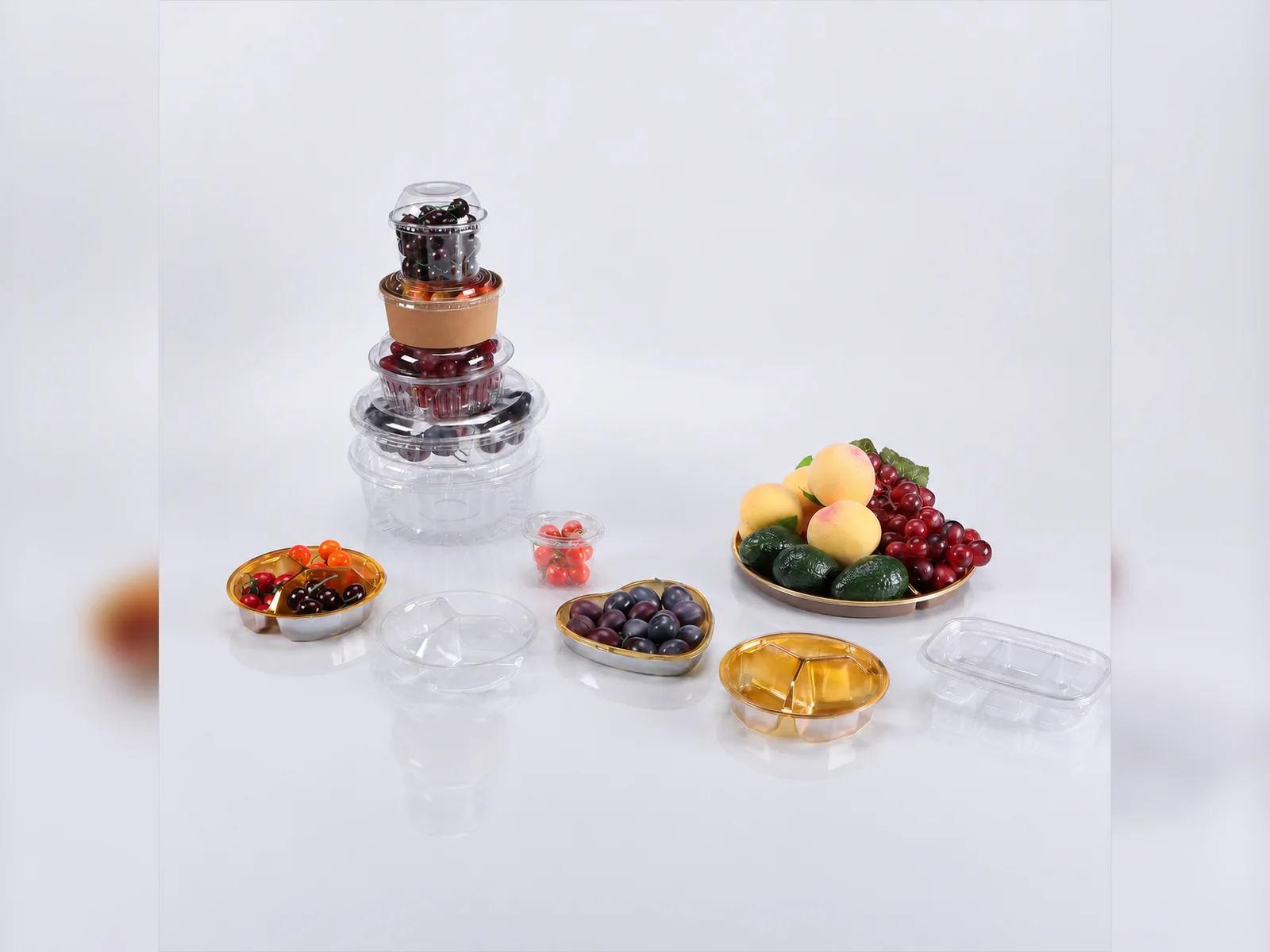
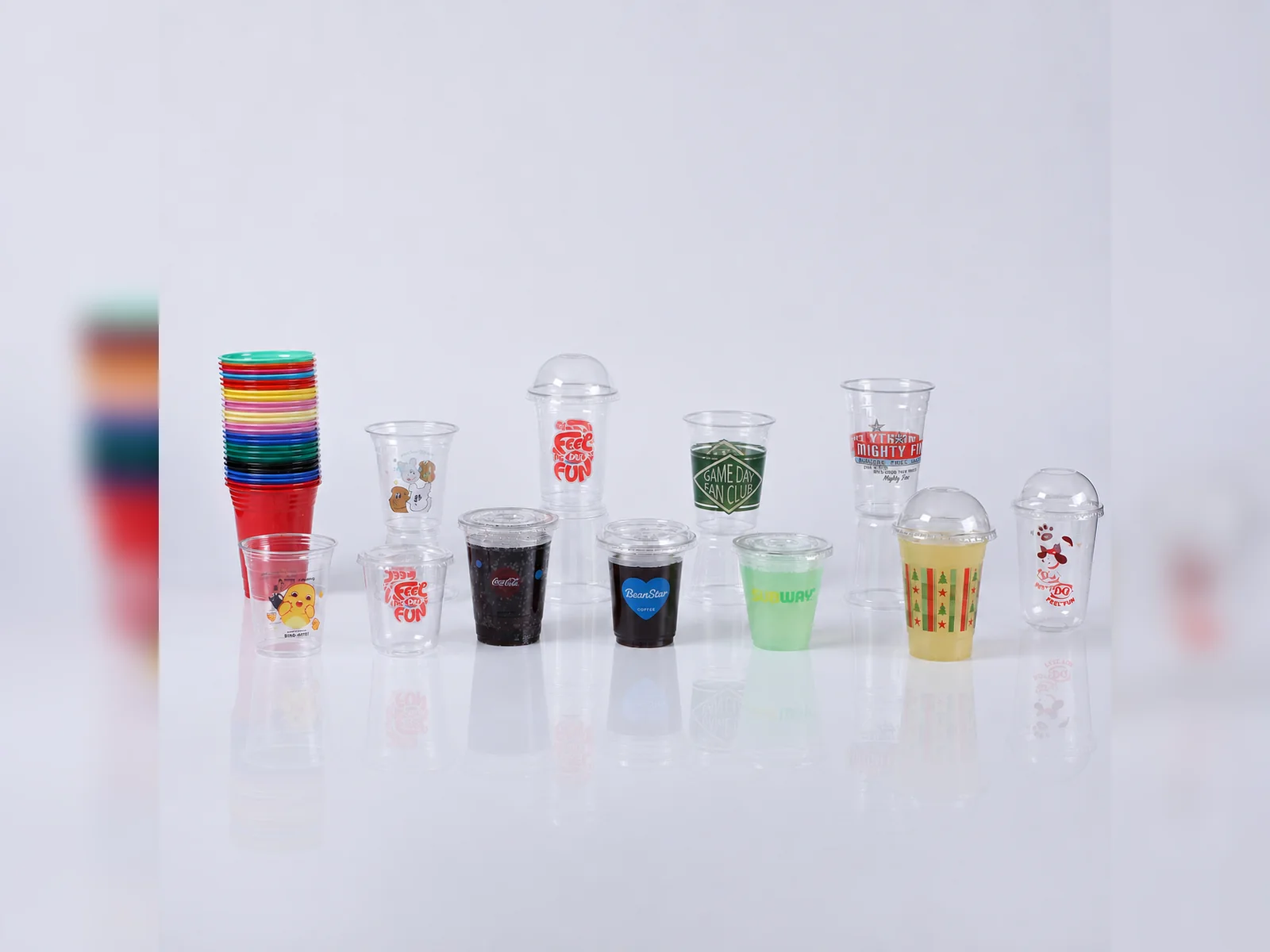

Prepare the handoff
The agreed sample and revisions
A defined production version
Process
Confirm one production version.
Review the sample and its agreed files together before the run.
- Identify the sample and drawing version being confirmed.
- Confirm the material, dimensions and any agreed artwork.
- Review the sample observations and any remaining changes together.
- Confirm the filling, assembly and outer-carton instructions that apply.
Keep these files with the same approved version. When a component changes, identify the affected files and agree what needs another check.
Use the sample approval record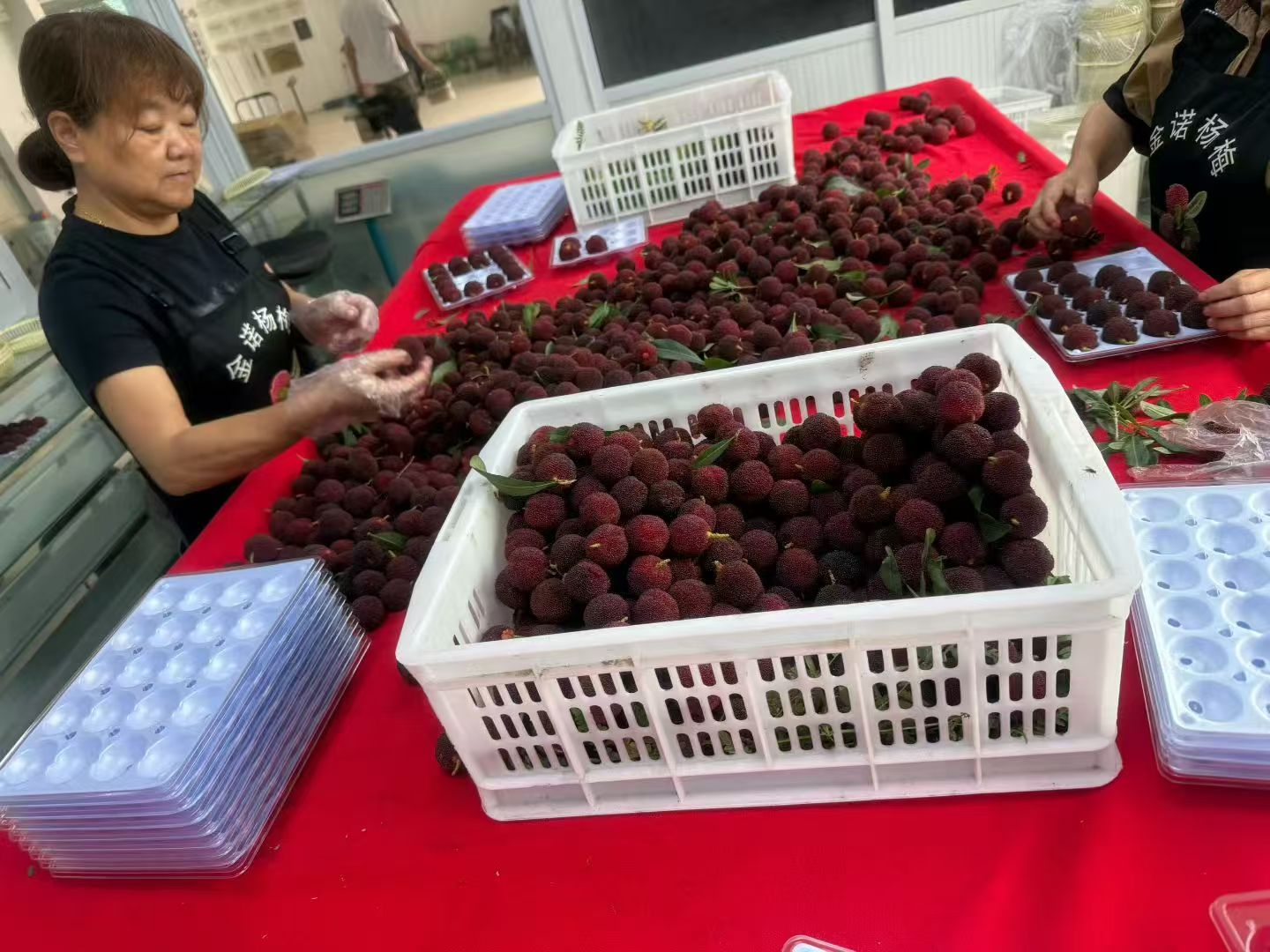
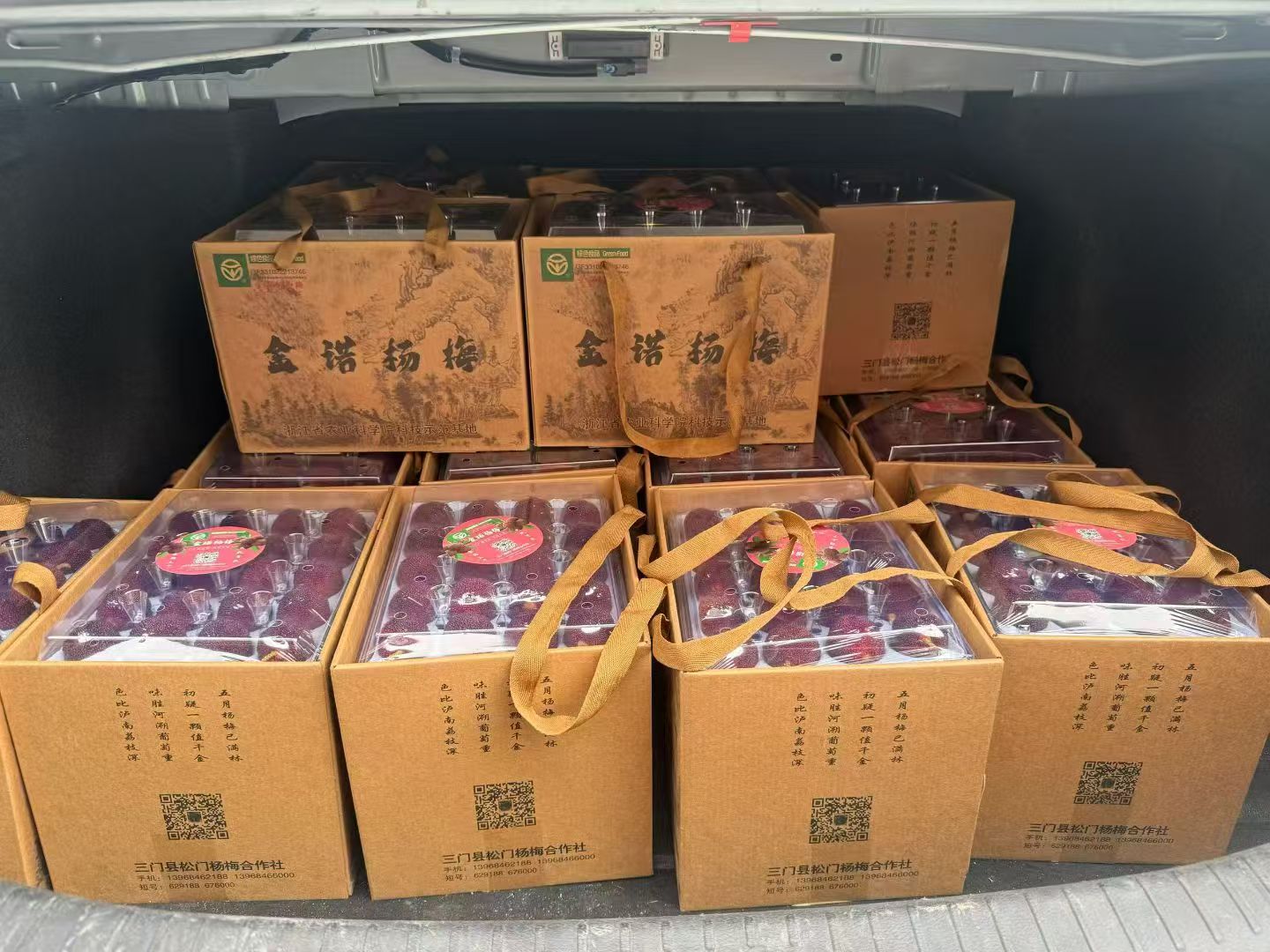
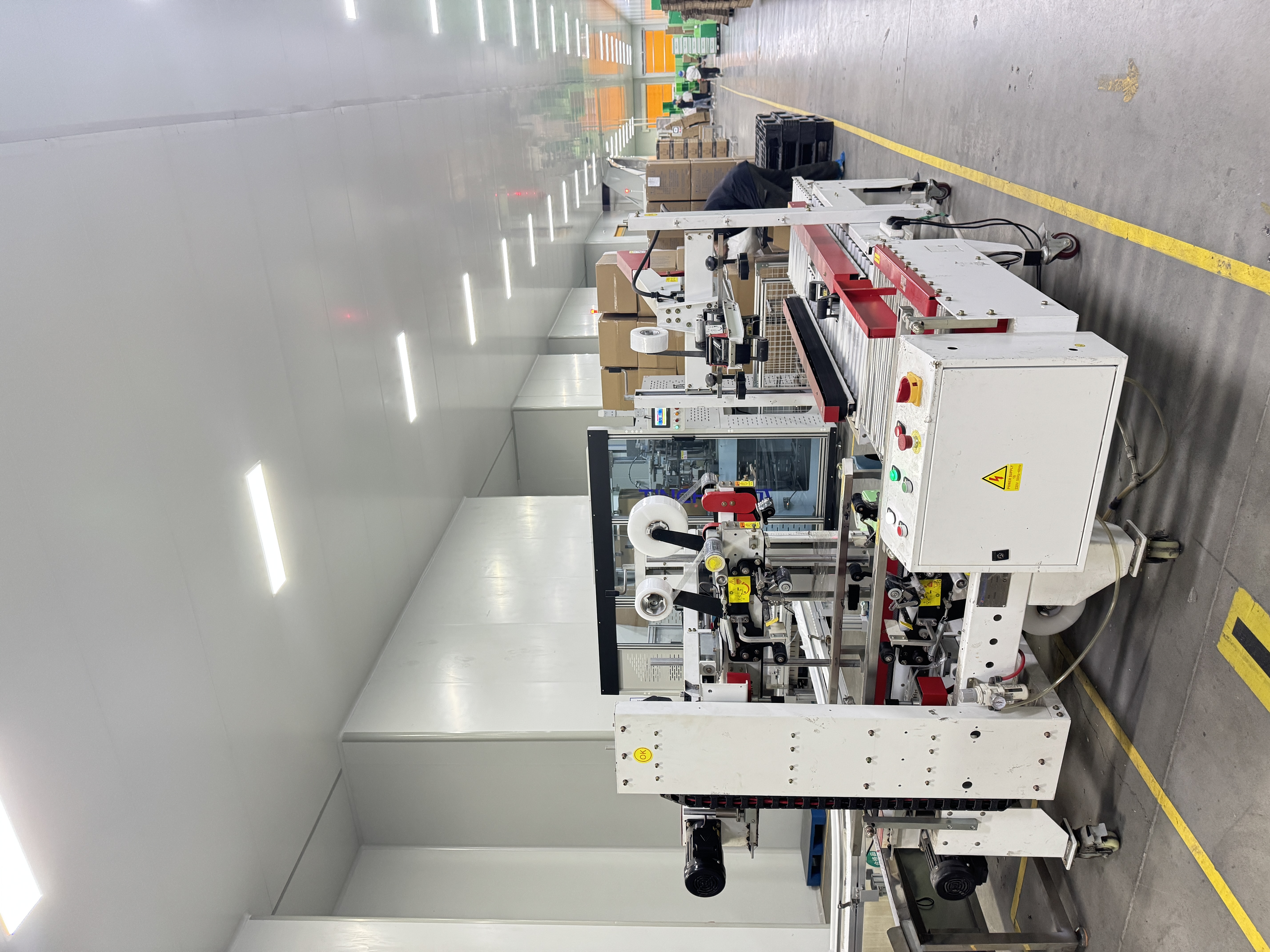
Next step
Read the scope of each document.
Use the drawing or record for the product and conditions it describes.
Read the named product, material or sample, the version and the conditions covered by each document. Discuss how those details relate to the pack you will use.
A drawing describes a design. A material document or a test record covers its stated scope. Confirm the checks needed for the assembled pack with your own product.