
FACTORY & PRODUCTION
From tooling to finished packaging.
See the people, equipment and checks behind tooling, forming and packed orders.See tooling, production, checks and packing on the factory floor.
- 1997Packaging work began
- ~500Employees
- 46Large automated production lines
- 30+Export markets
FACTORY CONTEXT
See the site before following the production path.
Explore the factory exterior, entrance and production floor before following the work from tooling to finished packaging.
Explore all 12 factory photographs
PRODUCTION IN MOTION
Watch the factory at work.
Follow the work on the factory floor.
Choose a stage to see its photographs and the work being carried out.Choose a stage to see its photographs and the work being carried out.
From tooling to the formed part.
Each view answers a different customer question—from what the packaging needs to do to how it is checked, packed and prepared for delivery.Follow tooling, production, inspection and packing for delivery.
Prepare the tooling for your pack.
Product dimensions, drawings and sample requirements guide the first tooling setup. This gives the team a practical starting point for making and reviewing the pack.
- Product and dimensions
- Protection and presentation
- Route and handling conditions
Make and finish the tooling.
Machining and hand finishing turn the tooling design into a form for sample and production work. The photographs show several tooling operations.
- Tooling design
- Machining and finishing
- Tool ready for the next forming check
See where the pack takes shape.
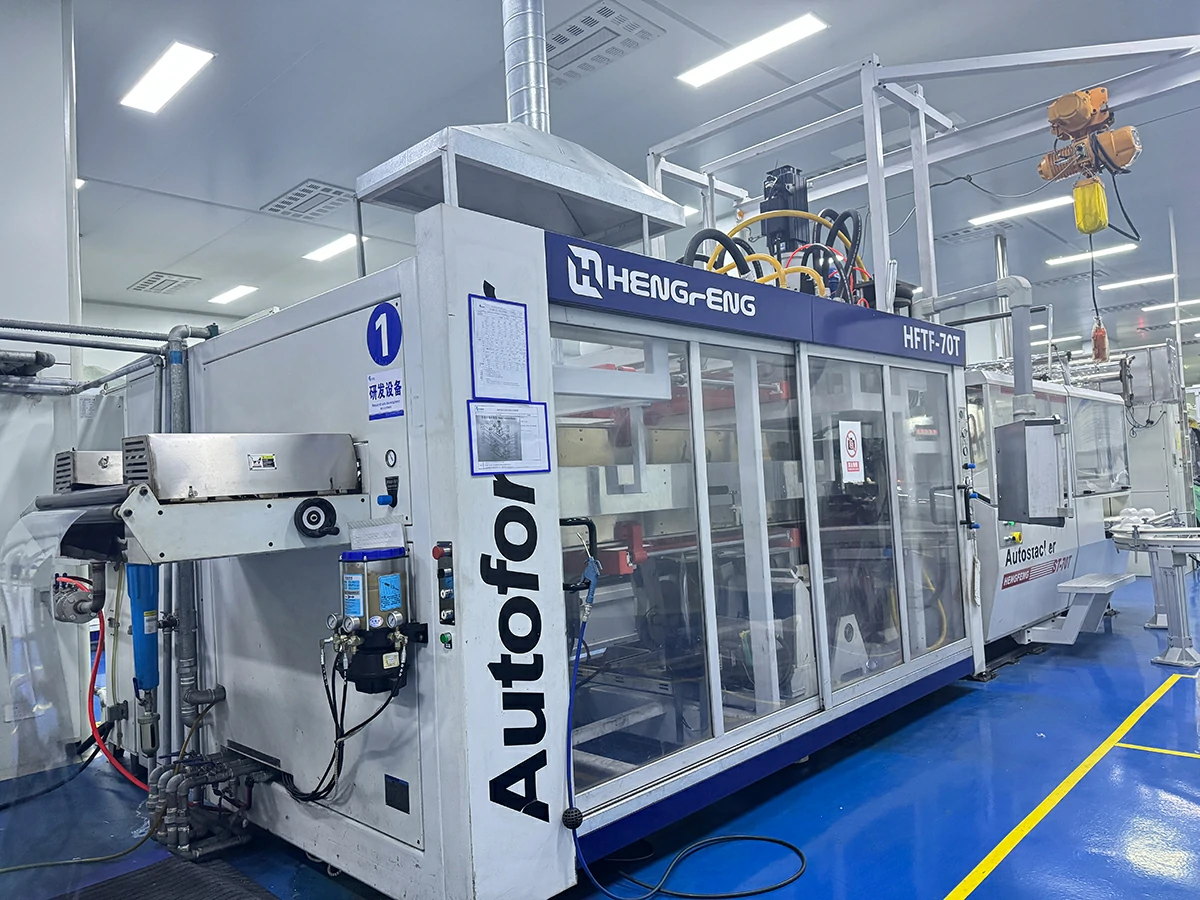
Forming equipment gives the packaging its shape. The machine shown here provides a view of the production setup; discuss the tooling and material needed for your pack.
- Packaging shape
- Tooling and material
- Forming setup
Load material and set up the line.
The approved structure and sample become the shared reference for production setup, material preparation and the work that follows.
- Approved reference
- Material preparation
- Production setup
Form, trim and handle the part.
The part moves through the relevant forming and finishing steps, with its function and presentation kept visible throughout the process.
- Forming
- Trimming and finishing
- In-process handling
Check the formed part.
The caliper view shows a dimensional check on a formed part. Compare agreed measurement points with the drawing and keep the observations with the sample or production record.
- Identify the part and drawing
- Check the agreed measurement points
- Record observations for review
Equipment, materials and finished packs.
Follow the equipment involved at each packaging stage and the output that moves to the next checkpoint.Different routes answer different product needs. The choice starts with the pack.
Thermoforming equipment
Sheet handling, forming equipment and trays at the line.
Cup and lid production
Rollers, forming stages and cup or lid output shown together.
Packing the finished units
Sleeved stacks, packed cartons and the carton-sealing conveyor.
Thermoforming
Shapes sheet material into the identified packaging form.
Injection molding
Produces molded parts when the project follows an injection-molded route.
Tooling & setup
Forms and prepares the geometry used for the production run.
Trimming & finishing
Completes cut edges, openings and secondary finishing work.
Inspection
Checks the stated product and production points before packing.
FROM THE PART TO THE PACKED ORDER
Check dimensions, finish and the packed order.
Agree which dimensions and functional points matter for the pack. During production, use the drawing and sample to review those points; include quantity and carton condition before shipment.Review dimensions and finish against the agreed sample, then check quantity and carton condition before shipment.
Review quality & documents →- 01
Dimensions and fit+
Compare the part dimensions and fit with the agreed drawing and sample.
- 02
Weight where relevant+
Check part weight when it is included in the product requirements.
- 03
Appearance and finish+
Look at the visible condition of the packaging, not only its dimensions.
- 04
Quantity and pack-out+
Check the number of units and their arrangement against the packing instructions.
- 05
Carton and shipment condition+
Review carton condition and the way the packed order is prepared for shipment.
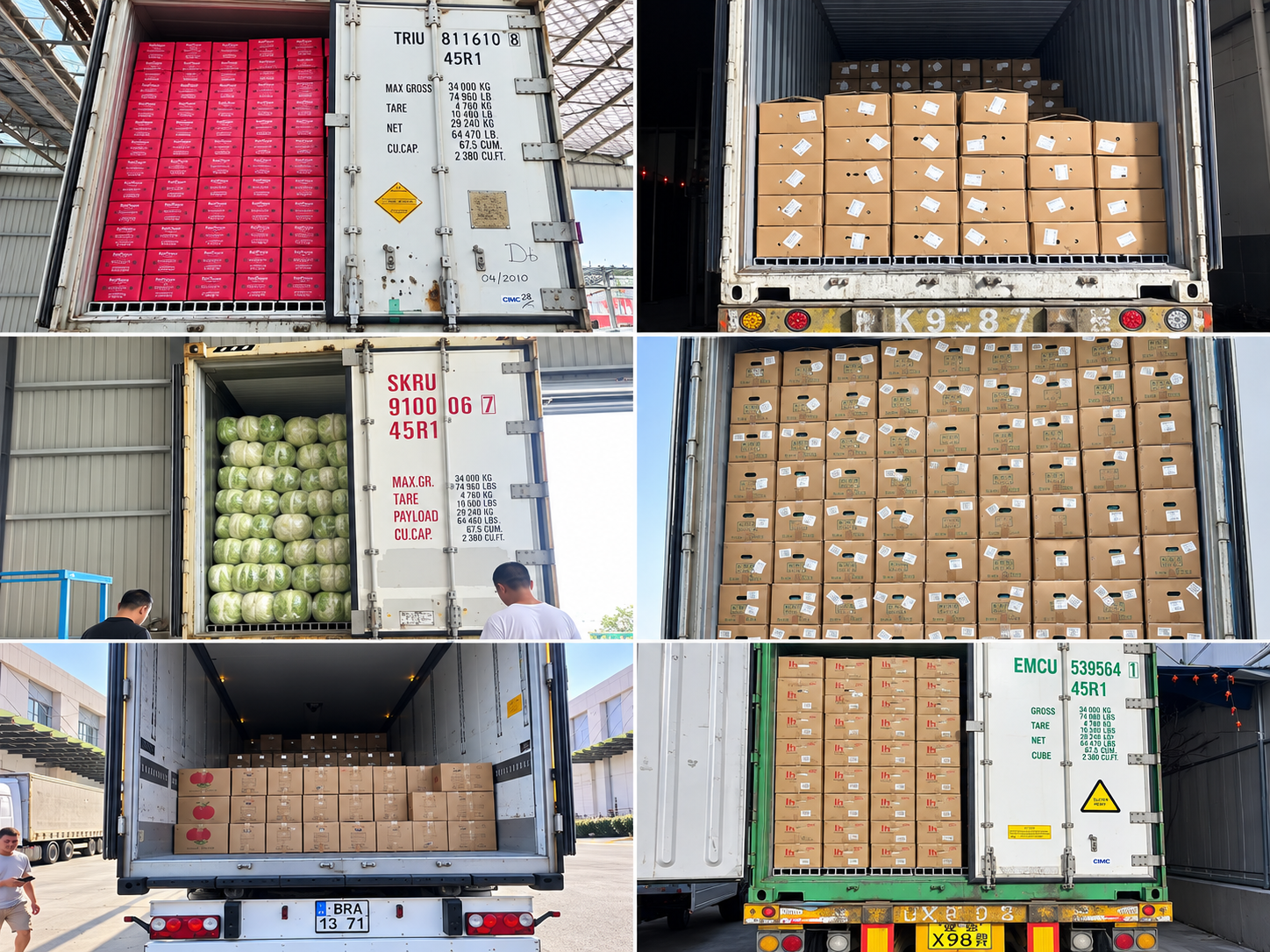
Pack, stage and prepare for shipment.
Unit count, orientation, protection, carton identification and loading notes should follow the released packaging direction.See how finished packaging is packed, staged and prepared for shipment.
- 01
Pack-out
Count the finished packaging and pack it in the agreed arrangement.
- 02
Storage and staging
Finished goods are staged so the packed condition remains visible before movement.
- 03
Shipment preparation
Carton, pallet and shipment context are considered together before the order leaves the factory.
Before production starts.
Plan the development route, sample review, production details and documents for your packaging.
Do I need a new mold to start development?
Start with your product, packaging use and any format you already have. A BOX can review an existing format, an adaptation or a new mold with you. You do not need to choose the route before asking.
Compare the development optionsWhat should I review before approving a sample?
Try the sample with your product and intended packing steps. Note the fit, closure, handling and carton arrangement that matter to you. Keep the sample reference with your observations, then agree any changes and repeat checks.
Open the sample review recordWhat should we agree before production starts?
Keep the agreed sample, requested changes, packing instructions and open questions together. Discuss the quantity and target date with A BOX so the production route and timing can be confirmed for your project.
Discuss your production questionsWhich documents should I ask for?
Share the product, material, destination market and the document your buyer needs. Ask A BOX which specifications, sample notes or quality documents are available and relevant to that exact product.
Review the quality information