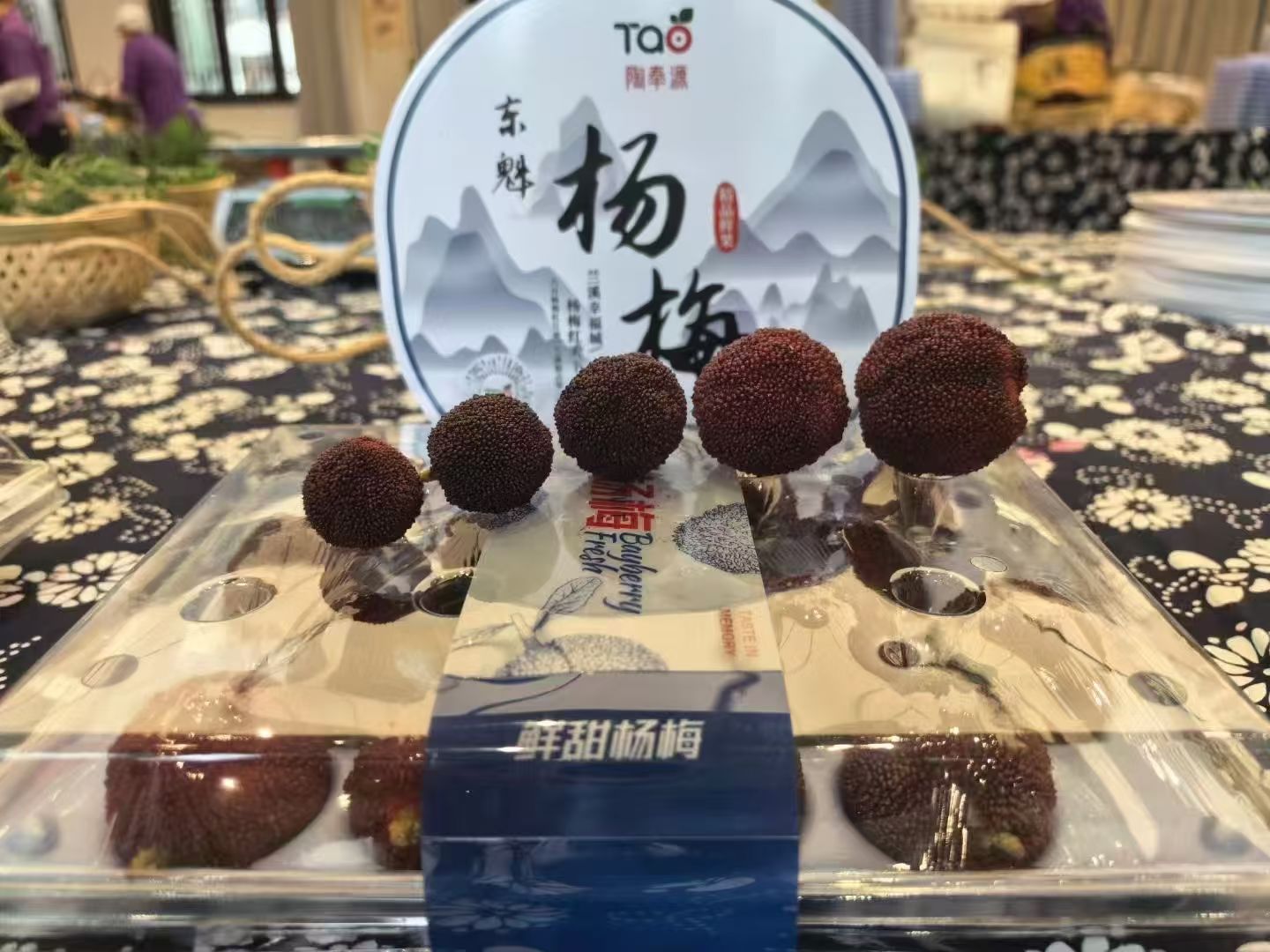
Project input checklist
Plan your food tray.
A preparation checklist for your food, filling process and packaging question. Start with what you know; choose a tray after the requirements are reviewed.
Project inputs
Start with three food details.
- Food and form
- Name the food and describe it as whole, cut, solid, soft or mixed. Mention any loose pieces.
- Liquid or oil
- Note sauce, free liquid, oil contact or moisture you observe. Leave the amount open if it has not been measured.
- Portion
- Give the count, weight or volume per pack, with its unit. Describe any normal variation.
Have an existing tray or a specific problem?
Add its reference, a photo or a short description. Say what you want to change, such as the portion, closure or presentation.
Process
Follow the food from filling to use.
Before filling
Describe how the food is prepared and its condition as it reaches the tray.
Fill the tray
Record hand or machine filling, the product temperature if measured, and the unit.
Close the pack
Note the lid or film, the closing step and any time between filling and closure.
Cool and store
List changes in temperature and the time at each condition. Keep unknown values marked “to confirm”.
Deliver and display
Describe transport and display conditions, including any change from storage.
Open and use
Explain how the food is removed or used and any further heating or cooling being requested.
Record your actual process. This sequence does not establish a tray’s temperature limits or suitability; those need review for the selected material and pack.
Starting routes
Identify the closure.
Closure step
Seal-edge or contact-area question
Lid or cover requirement
First-opening method
Reclose requirement, if any
Visibility, label or tamper-evidence question
Current failure or concern
Process
Match the questions to your sales channel.
- Retail shelf
- Will packs stand upright or lie flat? Note stacking, replenishment and the area needed for the label and product view.
- Takeaway or delivery
- Describe how the closed pack sits in a bag or carrier, whether it is tilted, and how the customer opens it.
- Food service
- Describe how trays are stored, separated, filled and handed over. Note space or handling constraints at the service point.
Project inputs
Include the outer carton.
Tray or container outside dimensions and source
Lid or closure outside dimensions and source
Stack or nest direction
Units per stack, sleeve or bag
Stacks or units per carton
Carton inside dimensions and source
Orientation and divider notes
Count, weight or handling question
Outer label or shipping-mark requirement
Comparison
Add document questions when you have them.
You can begin with the food, process and a packaging question. You do not need a complete document pack for the first conversation.
Have a buyer or destination document request?
Share the wording you received and identify the component, food contact, use conditions and destination it concerns. Ask which available material or sample records address that request and what still needs checking.
Comparison
Read through your notes before sharing.
READING CHECKLIST
Review your notes with these questions. This page does not score readiness or select a tray.
- Can someone picture the food?
- Include its form, liquid or oil contact and the portion with a unit.
- Can someone follow the process?
- Describe filling, closing, storage and use in order. Separate measured conditions from open questions.
- Is the next question clear?
- Name the current pack or desired change. Choose the issue you want to discuss first.
Process
Keep your notes for the conversation.
Use the notes below to keep what you know and the questions you want to discuss. Copy them before leaving or refreshing this page; they are not saved or sent to A BOX.
Share your copied notes through the contact method you choose. A photo or a short description is enough to begin the conversation.
Your food-tray project notes
Fill in what you know. Leave open questions for the conversation. Entries stay on this page until you copy them; nothing is sent.
Product form, portion basis and normal variation.
Sequence, conditions and changes between the steps.
Lid or film, seal edge and how the pack is opened.
Handling, transport, retail or food-service context.
Orientation, stack arrangement and carton dimensions with units.
Current reference, observed problem and records to discuss.
Packaging and project examples
Food-tray checklist
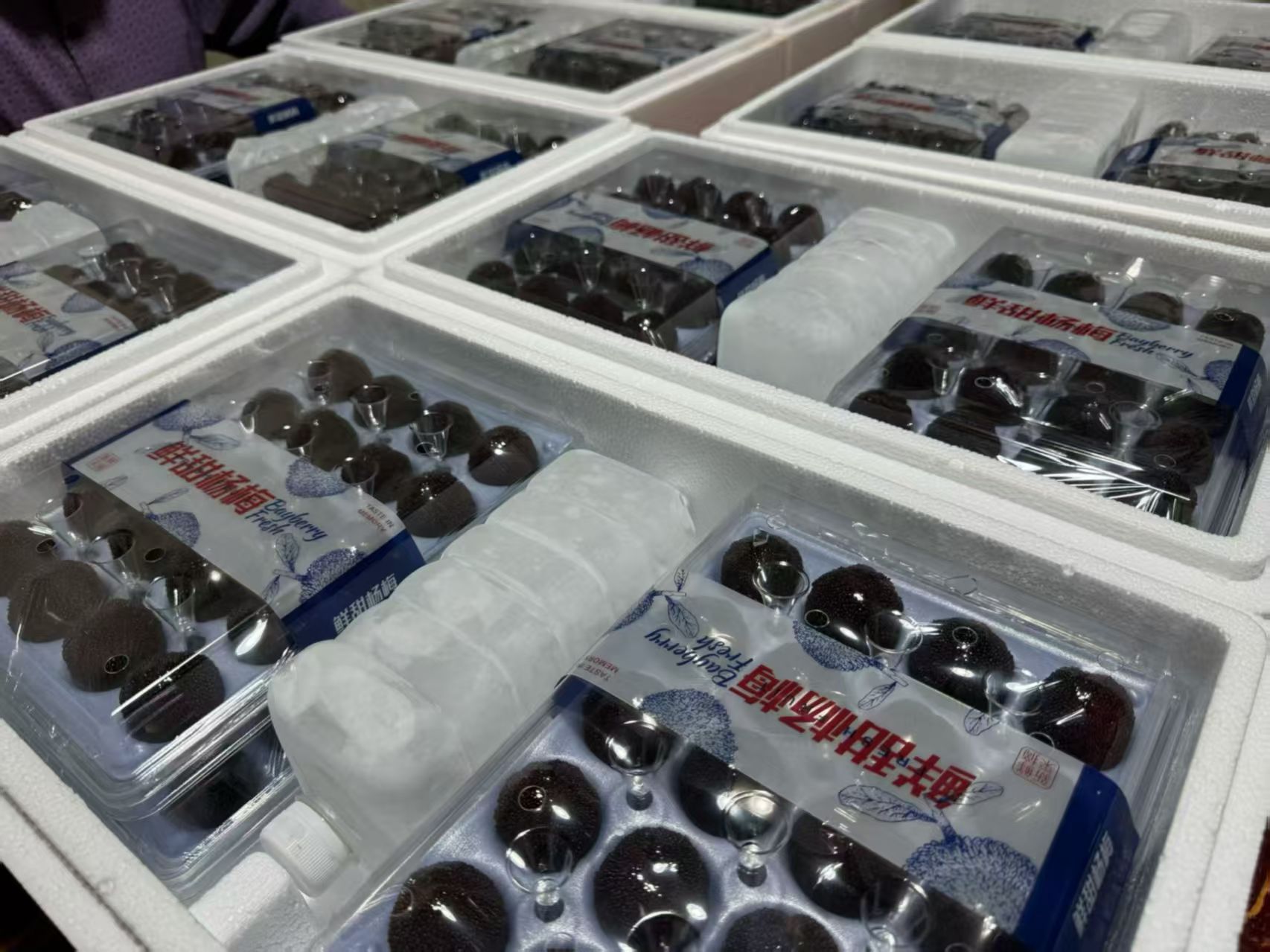
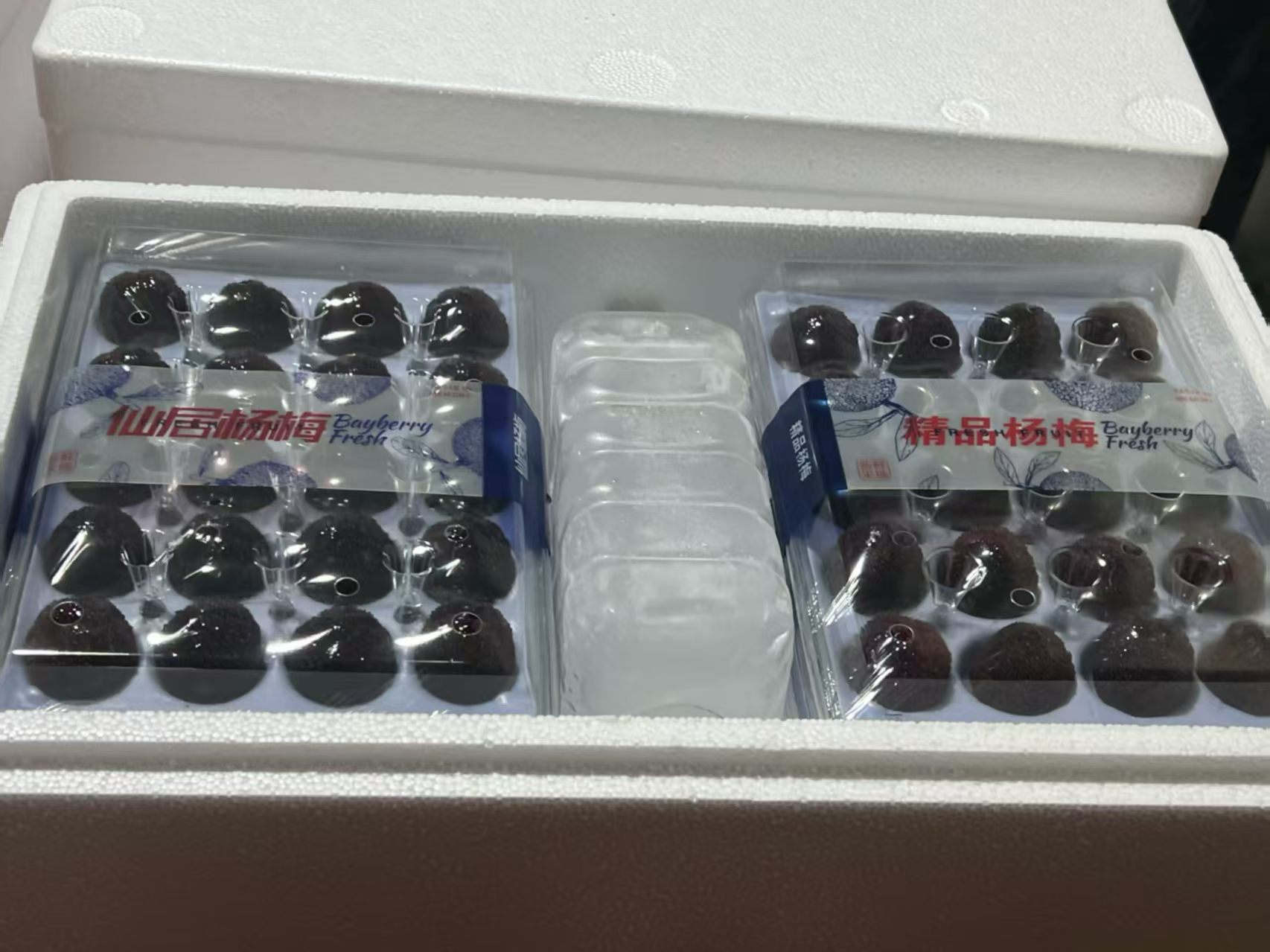
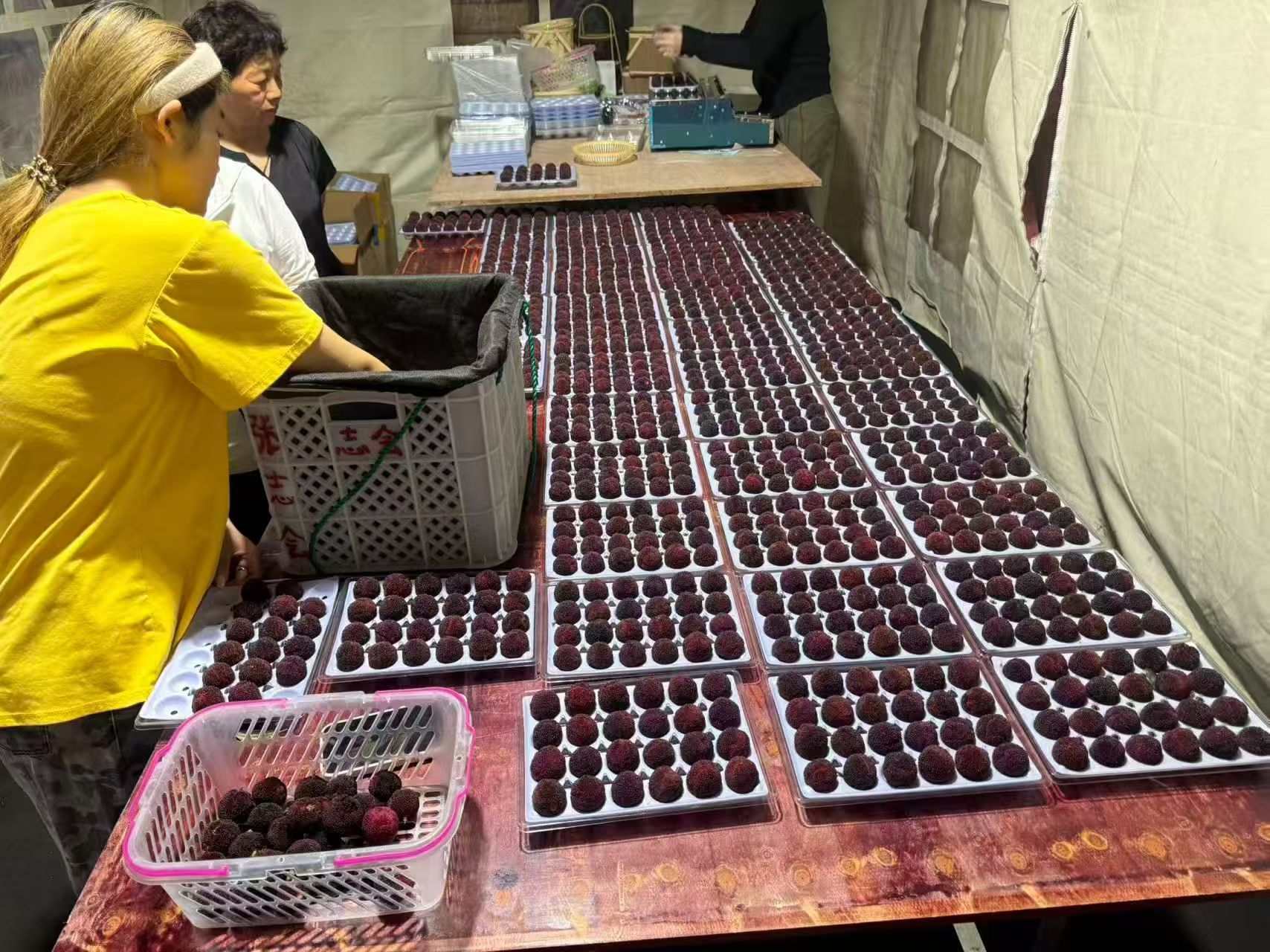
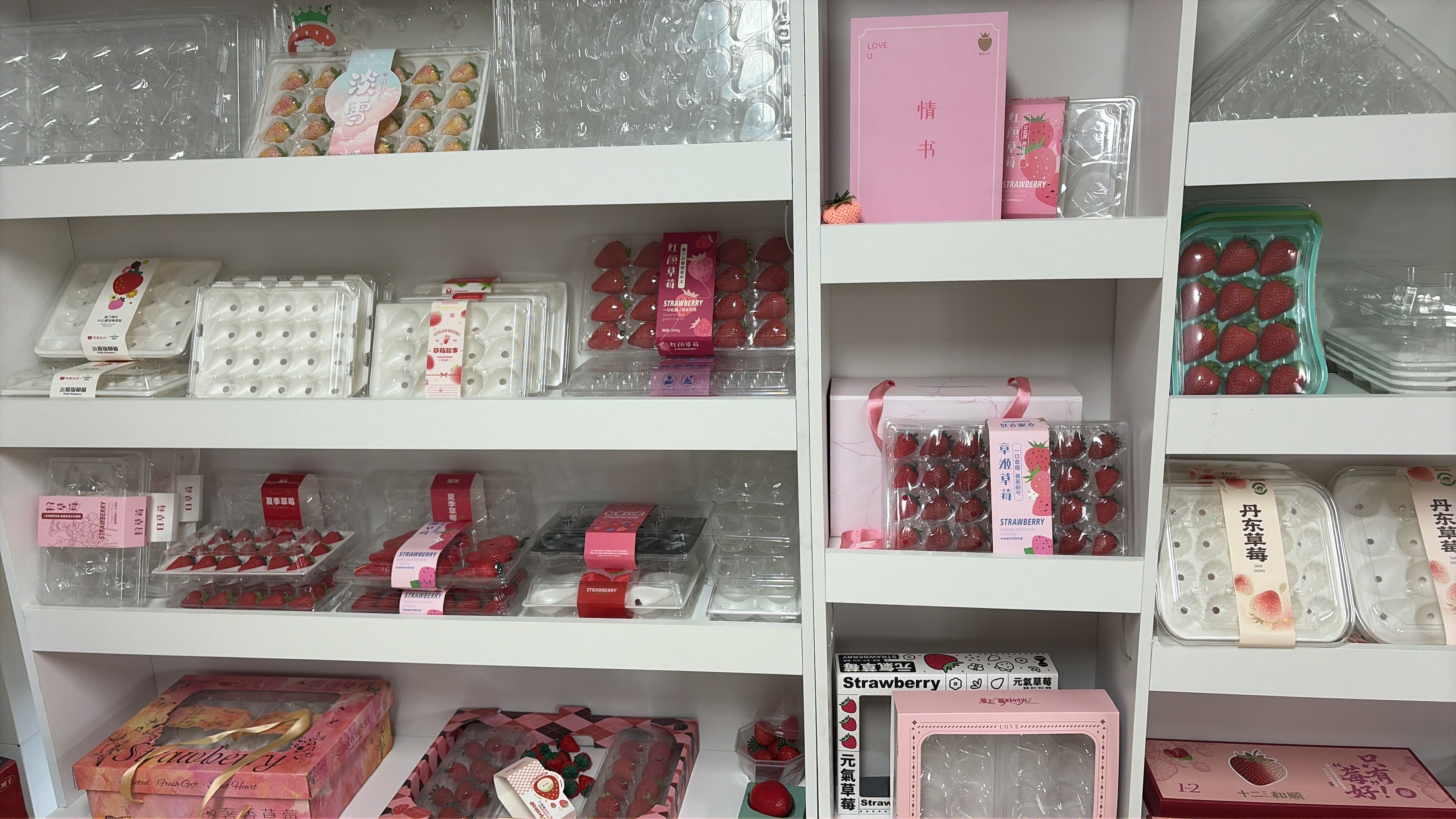
Food-packaging applications