
Written answer · no video for this topic
Make the carton count clear, row by row.
Record packs per row, rows per layer and layers per carton. Keep the pack direction, supports and carton dimensions alongside the count so the arrangement can be checked again.
Missing dimensions and counts can stay open. Start with the details you know.
Write down the arrangement you can check.
Keep the pack, carton and arrangement together. Copy your note before leaving; entries are not saved on reload or sent to A BOX.
Your carton loading note
Fill in what you know. Leave open questions for the conversation. Entries stay on this page until you copy them; nothing is sent.
Name the pack and carton. Add the closed-pack size and inside carton size, with units such as mm, if known.
Record packs per row, rows per layer and layers per carton. Describe partial rows or layers separately.
Which face points up? Note the position of dividers, pads and gaps.
Add the number of packs actually checked in one carton. Leave this open if it has not been checked.
List missing measurements, handling instructions or changes that need another review.
ILLUSTRATIVE LOADING SEQUENCE
Keep one arrangement readable from first row to handoff.
The same generic pack and carton carry through all three views. These AI-generated images illustrate the record structure only; actual counts remain project-specific.
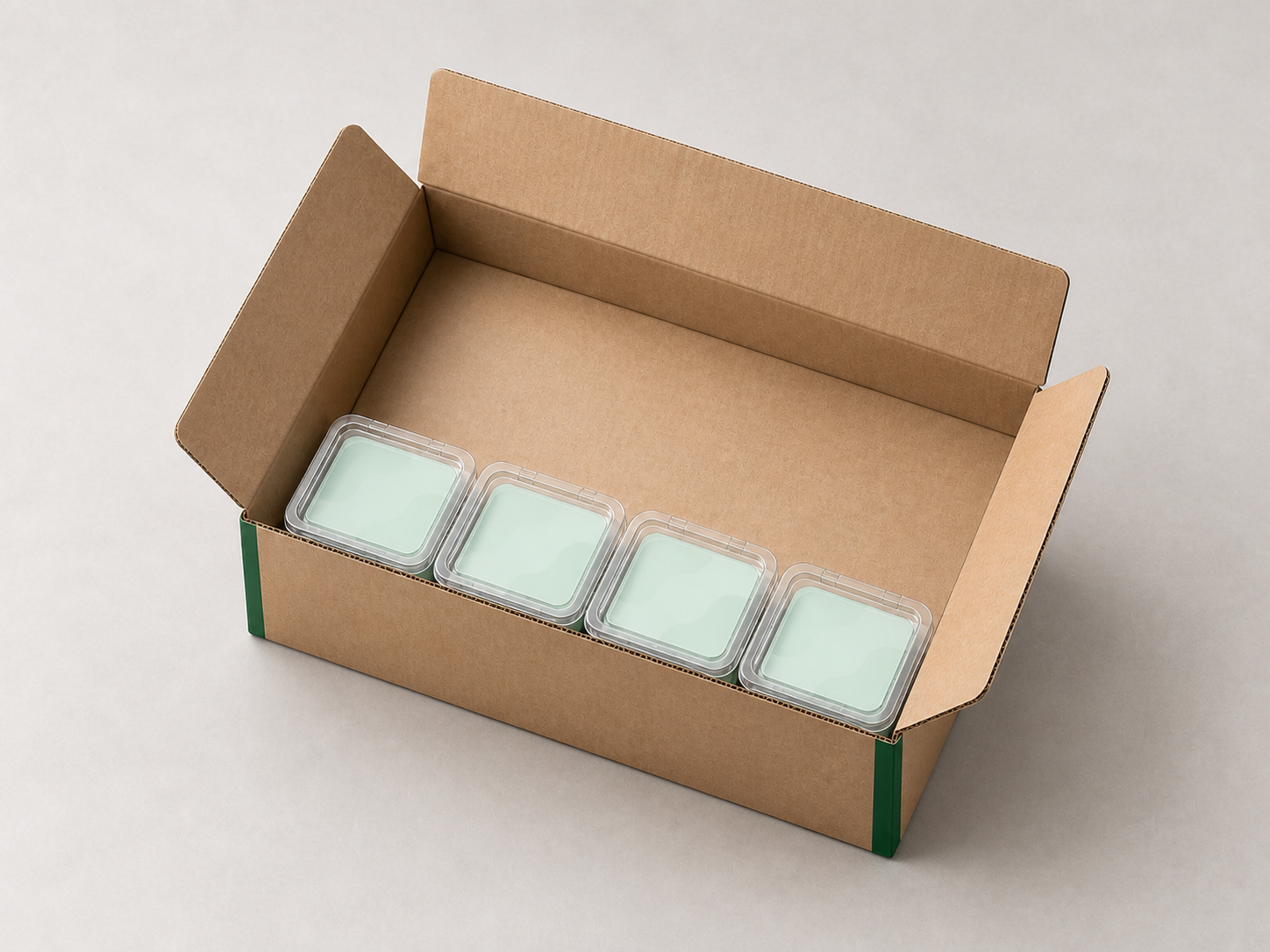
First row
Start with one visible row and keep the opening face and spacing direction consistent.
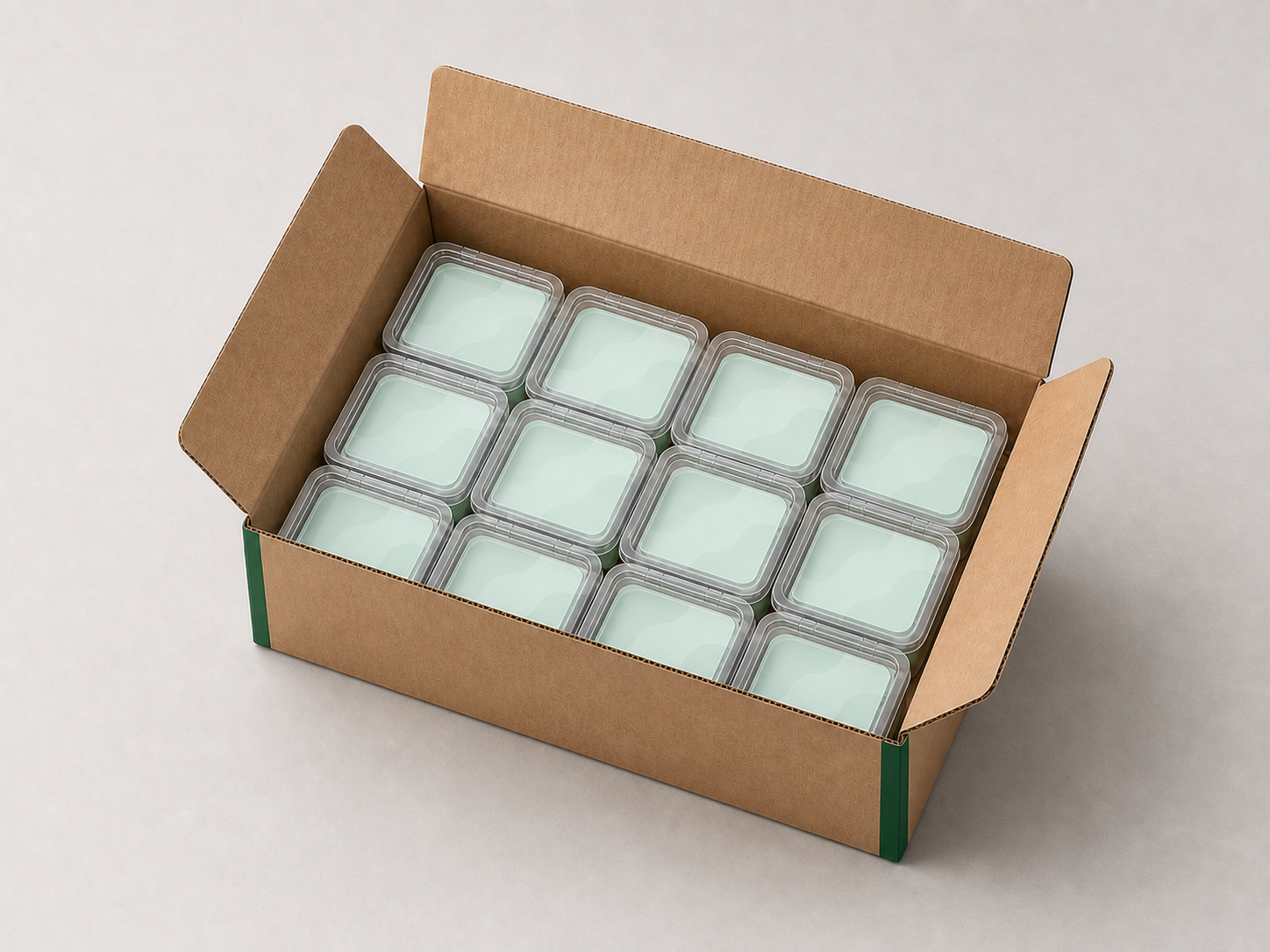
Full layer
Continue the same orientation through one complete illustrated three-by-four layer.
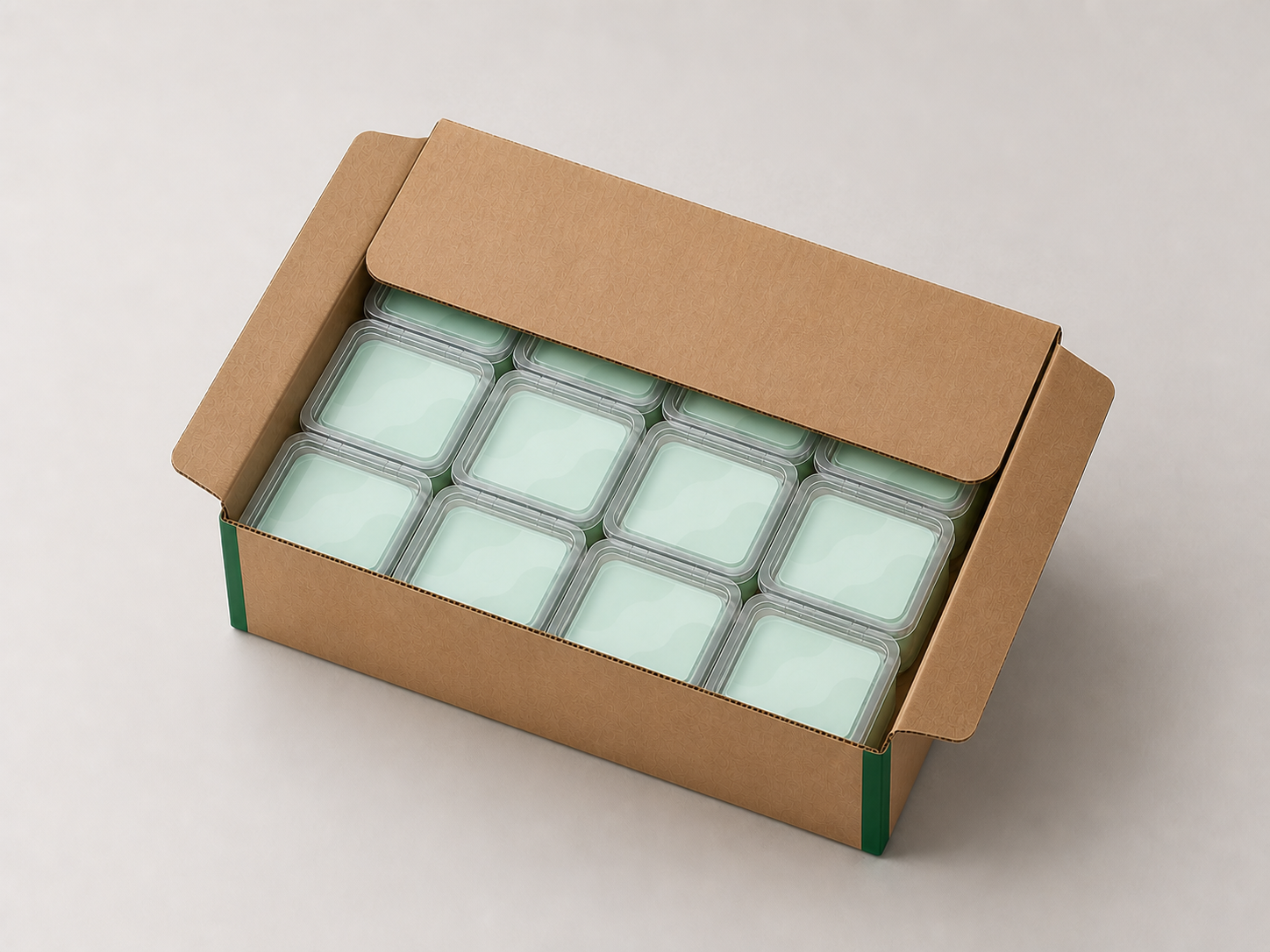
Full carton
Carry the same twelve illustrated packs into the closing step without implying a hidden layer.
This is a generic loading example, not an A BOX production record or measured customer pack-out. Confirm the actual pack, carton, count, dividers and loading notes for each project.
The sequence does not return carton capacity, space savings, pallet quantities or shipment suitability.
Examples for this guide
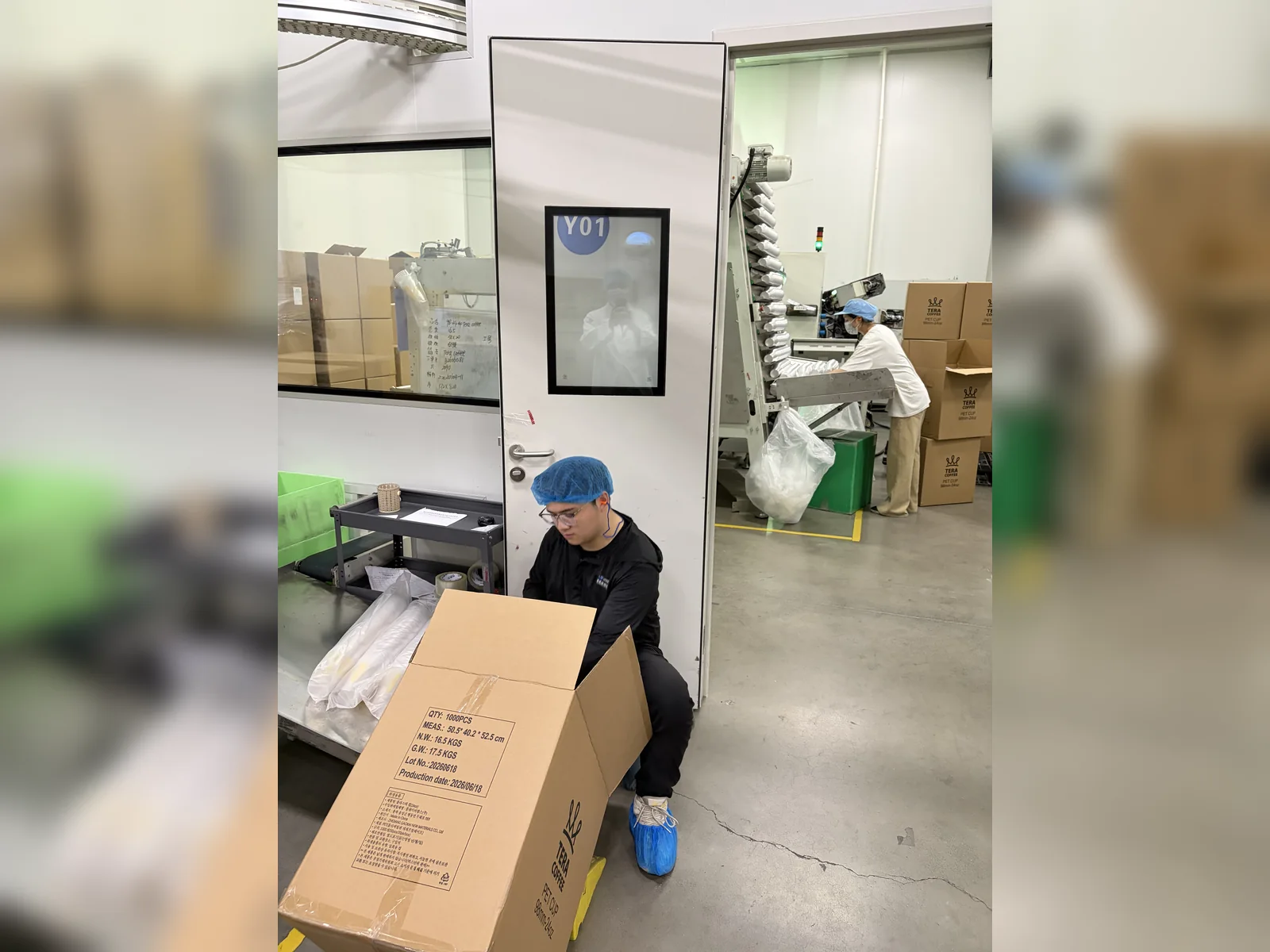
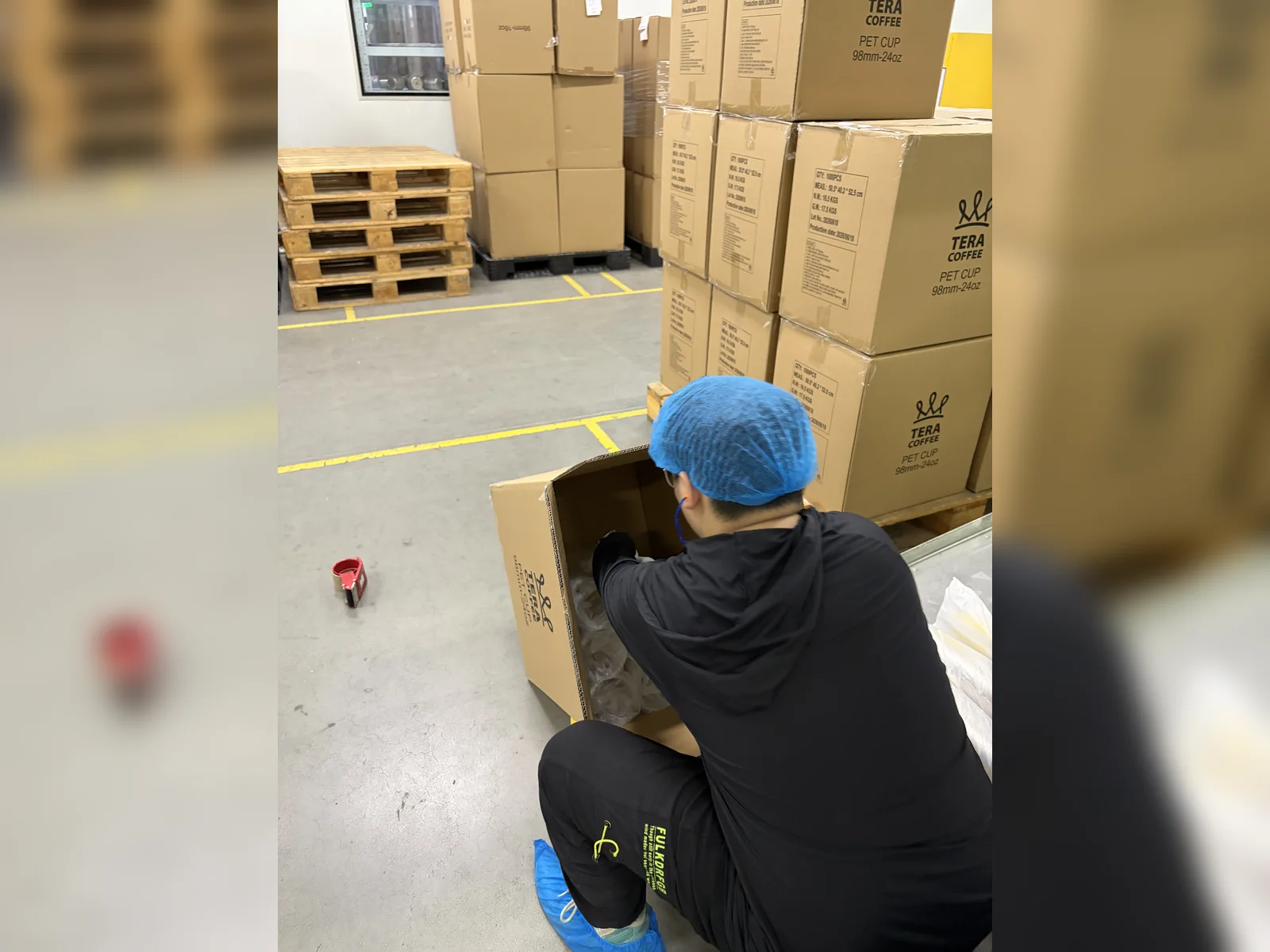
Review your pack and carton together.
Share the pack, carton and arrangement you know. Missing details can stay open. Copy your notes first; they are not attached automatically.
Discuss your carton arrangement