
Fresh produce packaging compatibility describes how fruit, the retail pack, the shipping carton, and the pallet work together. A mismatch can bruise fruit, distort closures, restrict cooling airflow, or weaken a unit load. Compatibility therefore depends on the complete package design, not one container's dimensions.
Different types of packaging include clamshells, trays, bags, corrugated boxes, folding cartons, retail boxes, and reusable crates. Each combination changes support, friction, vent alignment, and handling. Test it under the cooling, transport, and retail conditions used in real supply chains.
Quick Answer
Begin with a filled retail pack made from the final packaging materials. Place the planned count in the intended carton, then build the commercial pattern on the specified pallet size. After cooling and handling, check fruit pressure, movement, stacking strength, vent alignment, and restraint. Approve only a complete load that meets the route and buyer requirements.
Check the Loaded Retail Pack
Use fruit from the expected size, ripeness, and weight range. Check headspace, lid clearance, contact points, closure, and base stability. Fit the final label, sleeve, pad, or liner because each component can change dimensions, friction, and airflow.
Record the sample version and fill weight. Small amounts of extra headspace may allow rubbing, while overfilling can transfer pressure through the lid. Repeat packaging validation with representative fruit after a change in shape, gauge, label, vent pattern, or fill.
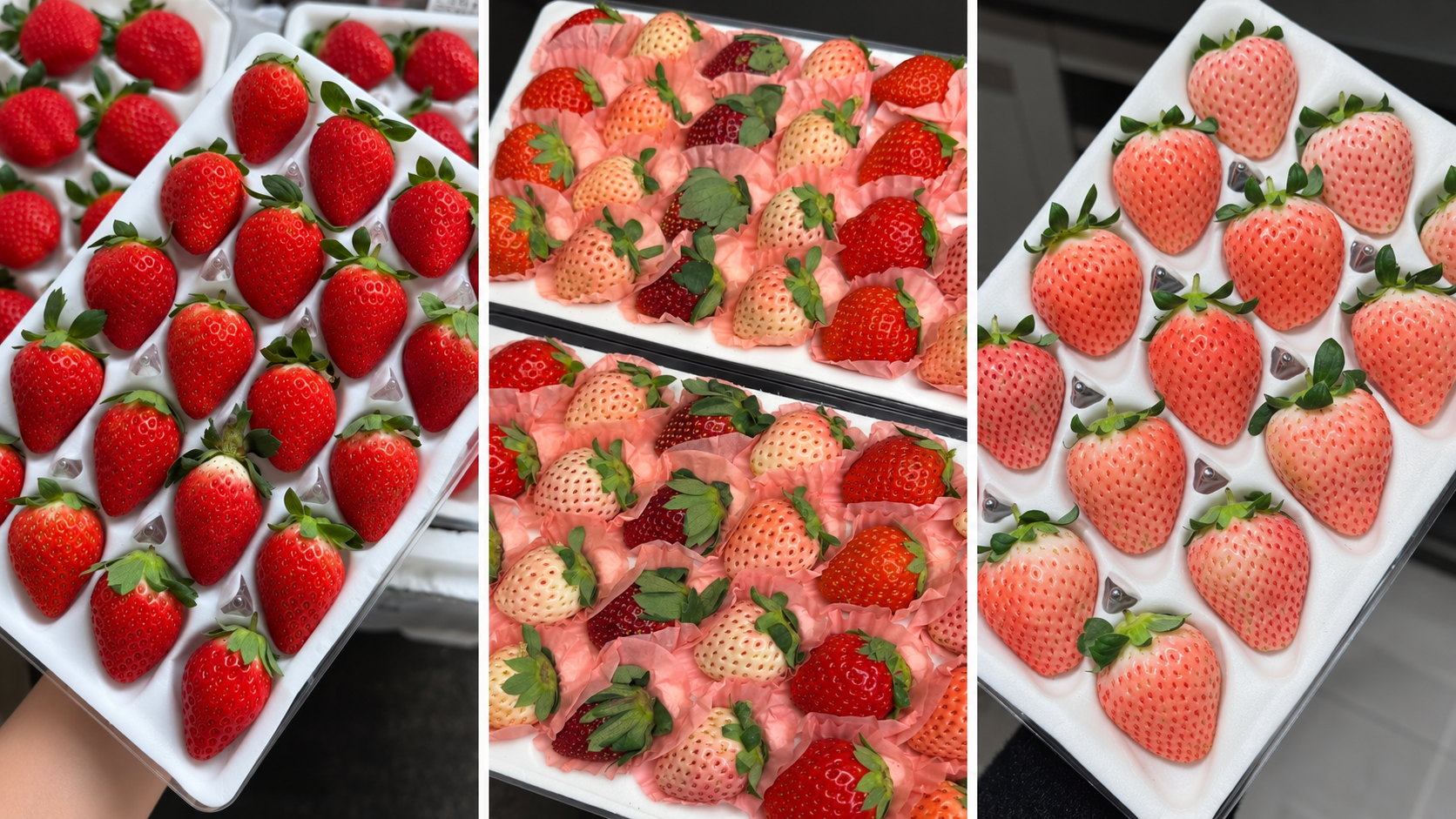
Test Retail Pack Carton Fit
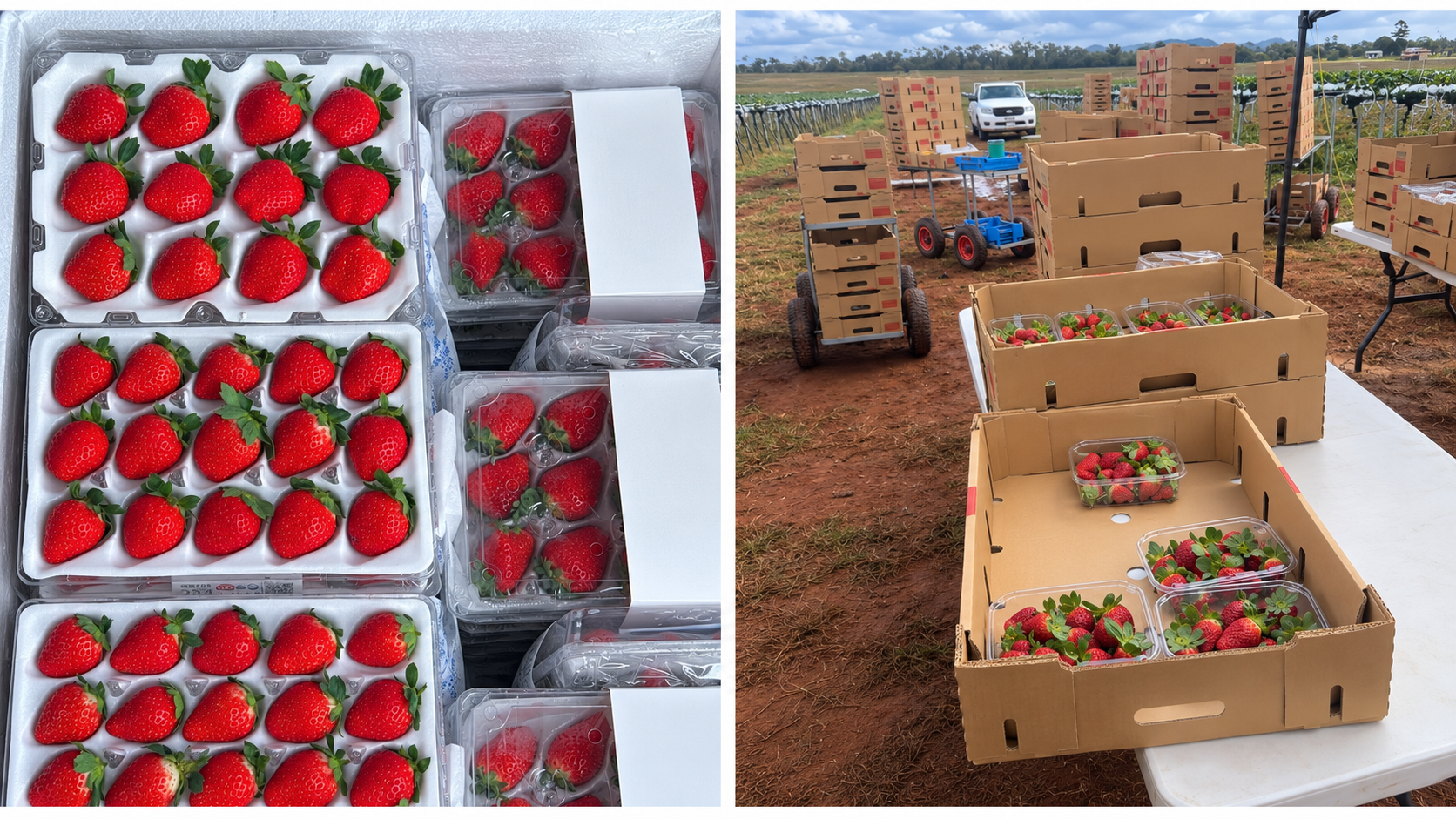
A carton fit test should use the final case and the normal packing method. Insufficient clearance can bow carton walls, lift pack lids, or transfer pressure to the fruit. Excess clearance can allow packs to slide, rotate, and strike one another during handling.
Good retail pack carton fit limits movement without using the lid as a structural brace. Packs should sit flat, avoid snagging on case walls, and leave enough clearance for efficient packing and removal without repeated impacts.
Standard sizes are only a starting point because nominal dimensions omit wall taper, flange shape, lid height, and manufacturing tolerance. Compare samples inside the selected corrugated boxes or folding cartons, then confirm the case count meets cooling and shelf presentation needs.
Scroll sideways to read every column.
| Interface | What Good Compatibility Looks Like | Warning Signal |
|---|---|---|
| Fruit to retail pack | Pack closes without harmful fruit contact | Fruit presses the lid or a sharp feature |
| Retail pack to carton | Packs sit flat with controlled movement | Packs slide bow or snag |
| Carton to pallet | Cases receive full footprint support | Cases overhang or bridge deck gaps |
| Airflow through the load | Vents connect through every layer | Labels liners or film block vents |
Match the Carton and Pallet
Pallet compatibility depends on the case footprint, pallet size, layer pattern, stack height, and restraint. Keep every case inside the deck. Overhang leaves edges unsupported, while large deck gaps reduce compression support.
Compare column and interlocked patterns instead of choosing by habit. Stretch wrap should stabilize the load without crushing corners, distorting cases, or closing vents. Check stacking strength after cooling and humidity exposure because damp conditions can weaken corrugated material.
Keep the Airflow Path Open
Fruit packaging ventilation works only when cooling air can move across the fruit and continue through the retail pack, carton, and pallet layers. Labels, pads, liners, and stretch film must be positioned so they do not interrupt that connected path.
When rapid cooling matters, record temperatures at several positions inside the loaded pallet, not only in the room. Package design can support heat removal and the cold chain. It cannot remove field heat without a cooling source or repair a later temperature break.
Balance Cost Material Use and Product Loss
A package becomes cost effective when it protects saleable fruit, packs efficiently, and uses transport space well. A cheaper component can raise total cost through rejects, repacking, labor, or pallet instability. Compare packaging materials by complete-load performance, not unit price alone.
Sustainable packaging decisions should consider material use, fruit loss, pallet efficiency, reuse, and local recovery systems. The phrase eco friendly should not replace evidence. A lighter pack is not better if the test results show more damage or poorer cooling.
Run a Five Step Packaging Validation Test
Build a commercial load that reflects the sale weight and normal production variation. Change one major variable at a time so the test results remain traceable.
- Record the fruit lot, pack version, fill weight, carton, pallet, route, and cooling method.
- Pack representative fruit with normal operators and the final case count.
- Apply the planned pallet pattern, stack height, and restraint.
- Reproduce cooling, handling, transport, and retail breakdown.
- After the trial, inspect fruit condition, closures, case shape, pack movement, pallet stability, and retail presentation.
Use a qualified laboratory when buyer requirements or route risk call for formal testing. ISTA 3E, ASTM D4169, and ISO 2234 address different distribution and stacking conditions; no single industry standard represents every shipment. Select a method that reflects the load and main failure risk, then document the setup and acceptance criteria.
Common Compatibility Mistakes
- Approving the pack before the final carton and pallet are known.
- Testing only ideal fruit instead of the expected size and fill range.
- Counting vents without tracing the complete airflow path.
- Changing case count or pallet pattern without repeating the test.
Frequently Asked Questions
How much clearance should a retail pack have inside a carton?
No single clearance works for every pack and carton. Allow reliable packing and removal while limiting repeated movement. Confirm the result with a filled case after cooling, vibration, and normal handling.
Can stretch wrap fix an unstable pallet?
No. Wrap cannot correct poor carton fit, weak corners, overhang, or a bad layer pattern. Excessive tension may deform cases and block vents.
Do carton vents guarantee fast cooling?
No. Carton openings help only when the intended cooling air can pass across the fruit and continue through the retail pack and pallet pattern. Test the complete loaded pattern with the actual cooling method.
When should compatibility be checked again?
Retest after changes to fruit size, net weight, packaging, case count, pallet pattern, cooling, route, or stack height. Retest sooner if damage or pallet movement increases.
Final Decision
Fresh produce packaging compatibility should be demonstrated with the commercial load. Match fruit to the retail pack, verify the pack inside the carton, and confirm the carton on the selected pallet. Clear packaging requirements and recorded tests of fit, airflow, stacking strength, and handling reduce avoidable damage.
